Pilgrimage and story woven through the body
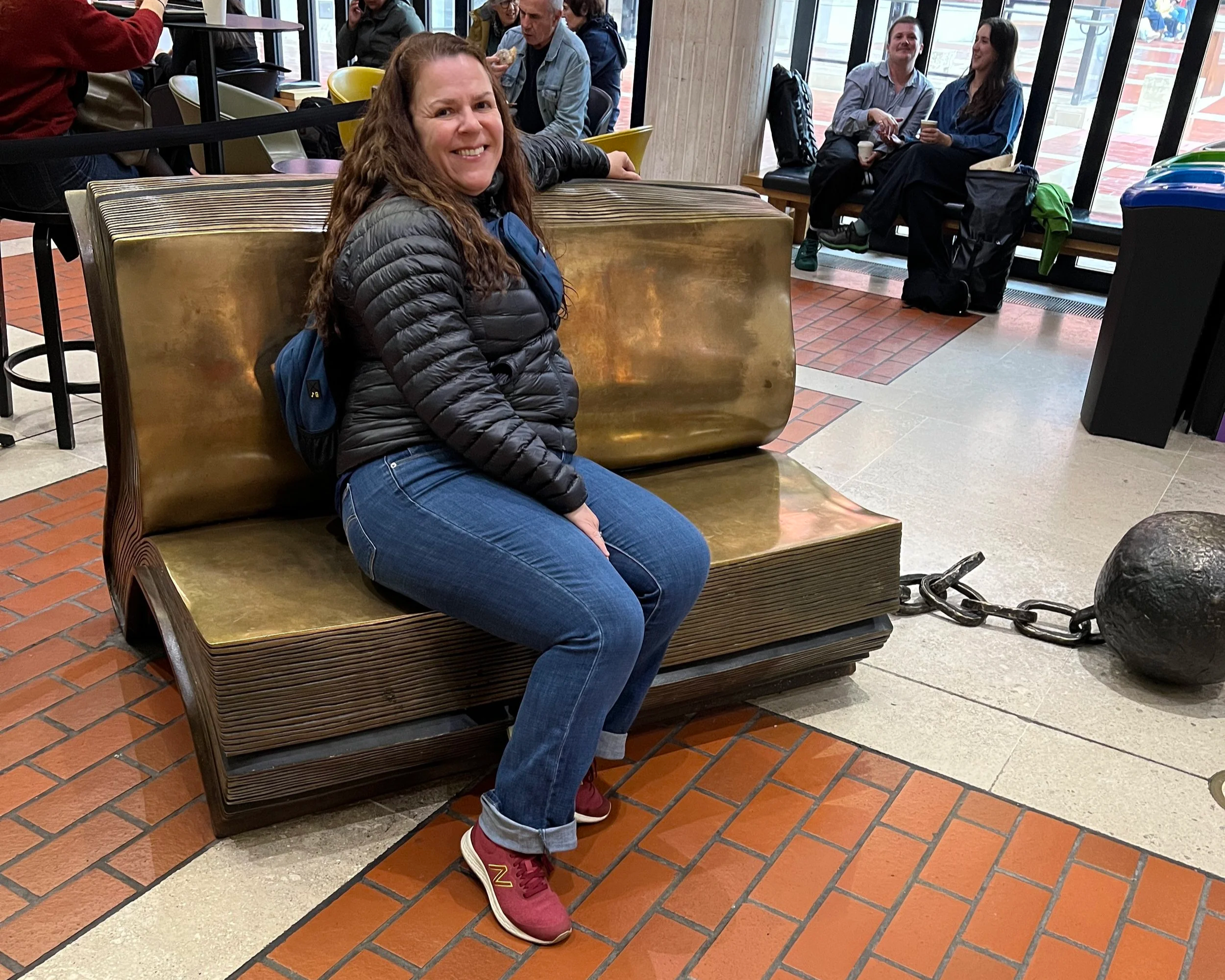
Relieved and taking a break at the British Library. Note on all the subsequent photos: we love traveling, but we’re not great at the photos!
It’s been a week since our return from our adventures in England, and I’ve been digesting what this trip felt like, what it meant, and what might come from it. You may be surprised to see the bodily verb I chose to name this reflection, but besides the TMI - I’ve the bladder of a five-year-old - the choice runs deeper. So stay with me. But if you need your own pee break, do it now.
I realized on my last day in England that this trip marked 30 years since my very first trip there in my early 20s, when I got to live in Oxford for a month. Since then, I’ve traveled to the Sceptred Isle 13 times. Of all the places I’ve visited in my life, this archipelago on the edge of continental Europe has been the place my heart wants to return to again and again. I now travel differently, as my old friend Steve commented. I no longer want to ‘embrace the world with my legs’ (a Brazilian expression), to see ‘all the things’. Now I intersperse it all with more breaks, pauses, and rest. I don’t think it’s only a matter of age; it’s a matter of maturity that wants more savoring, less engulfing.

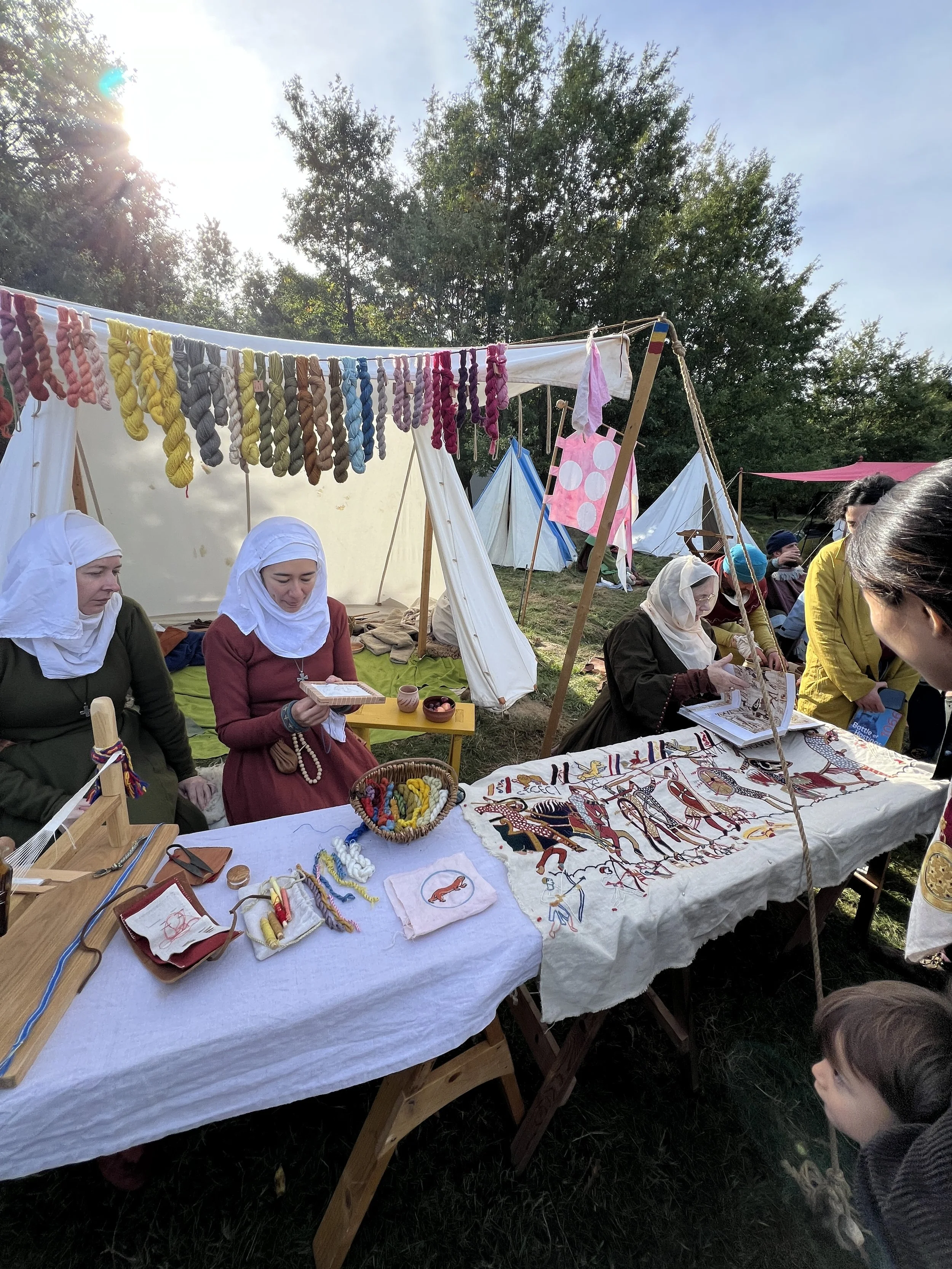
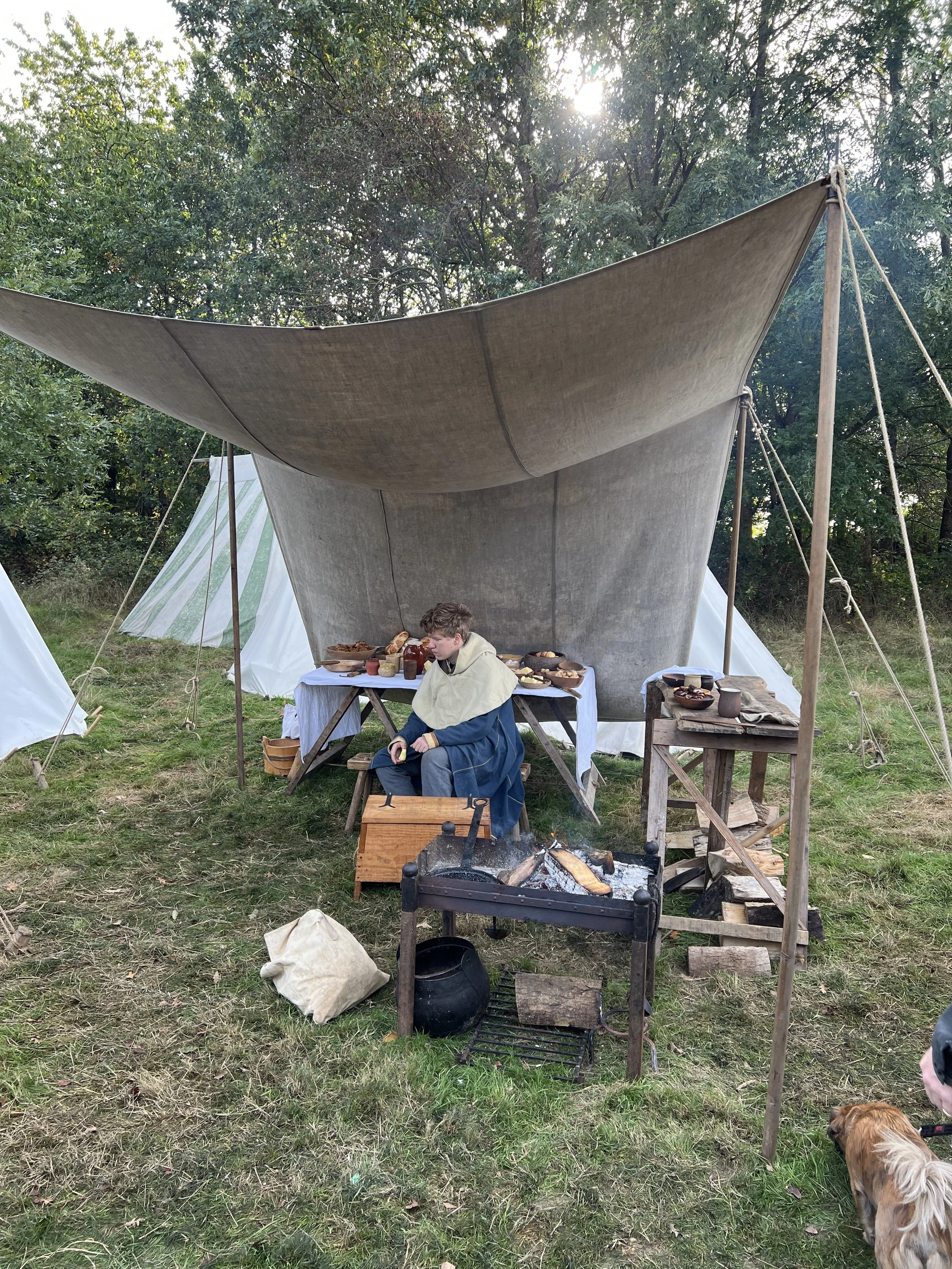
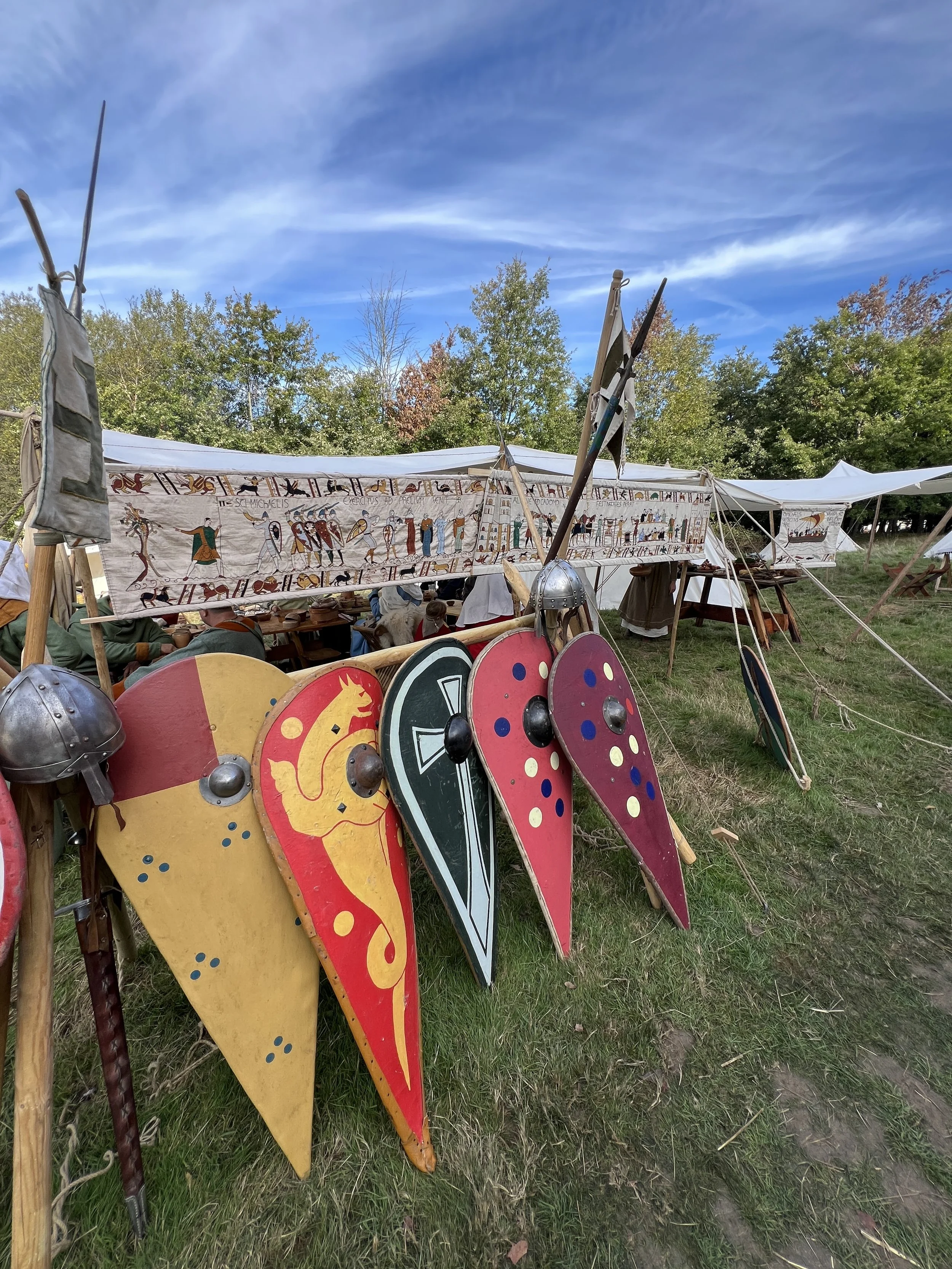
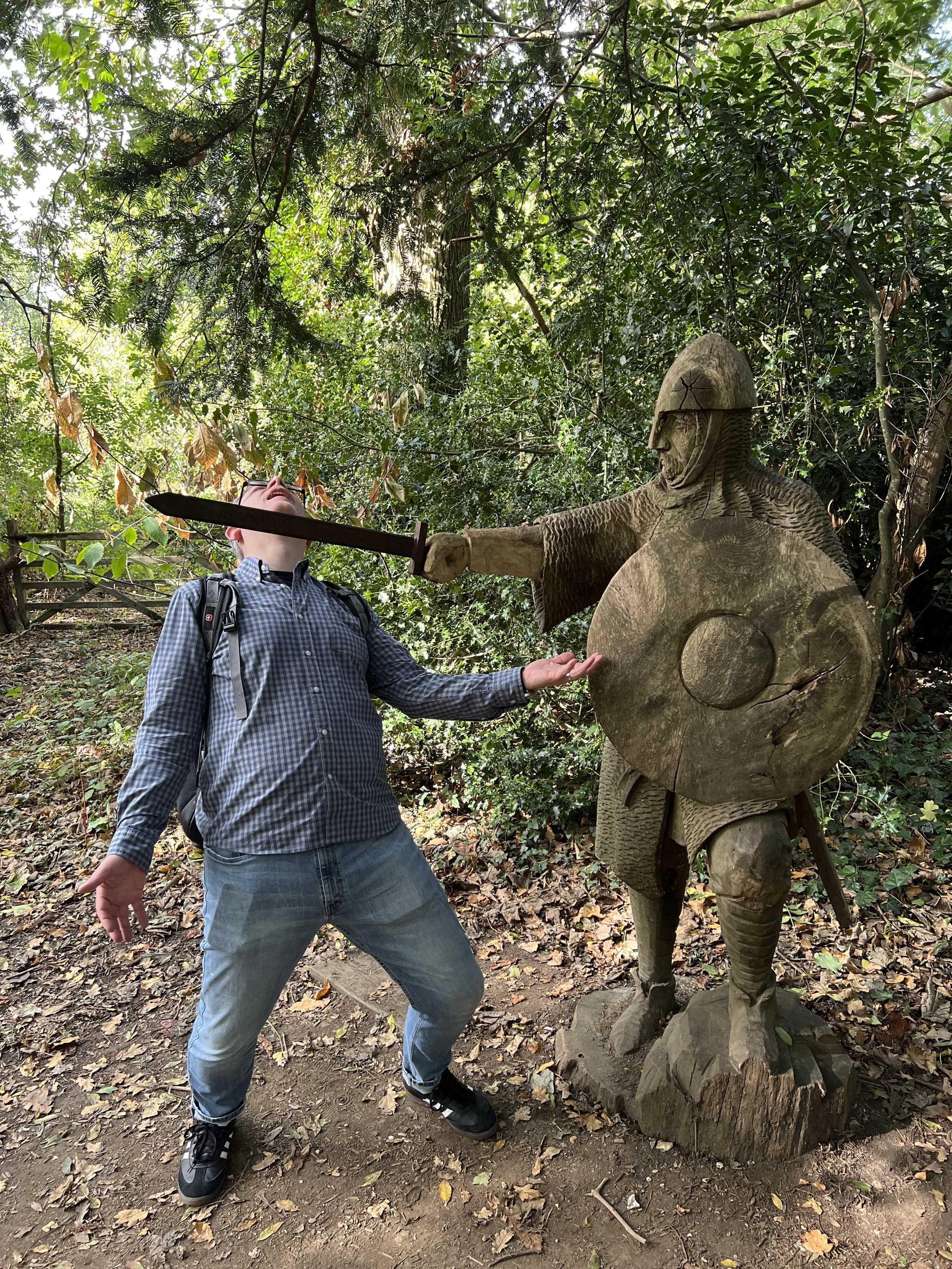
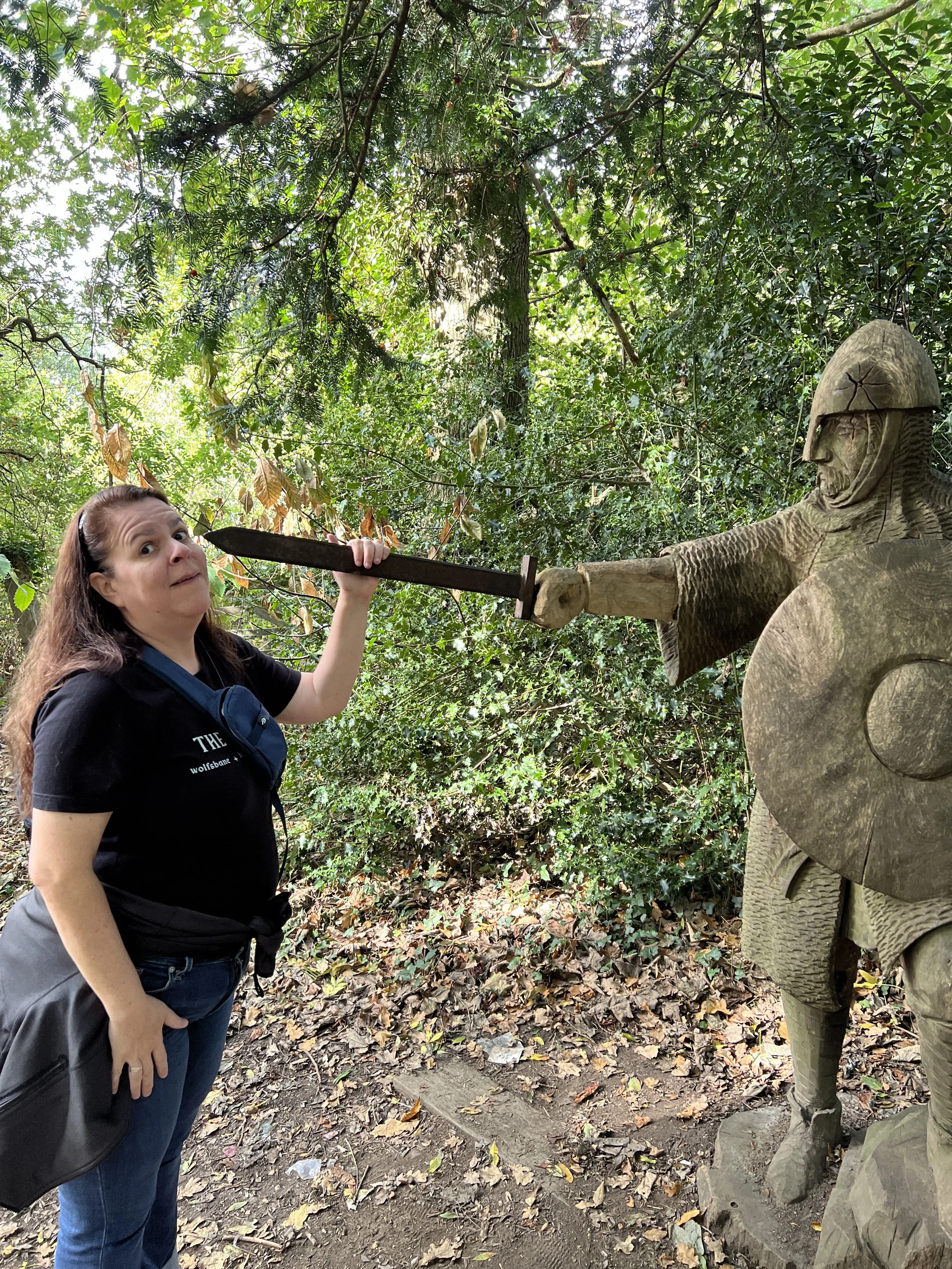
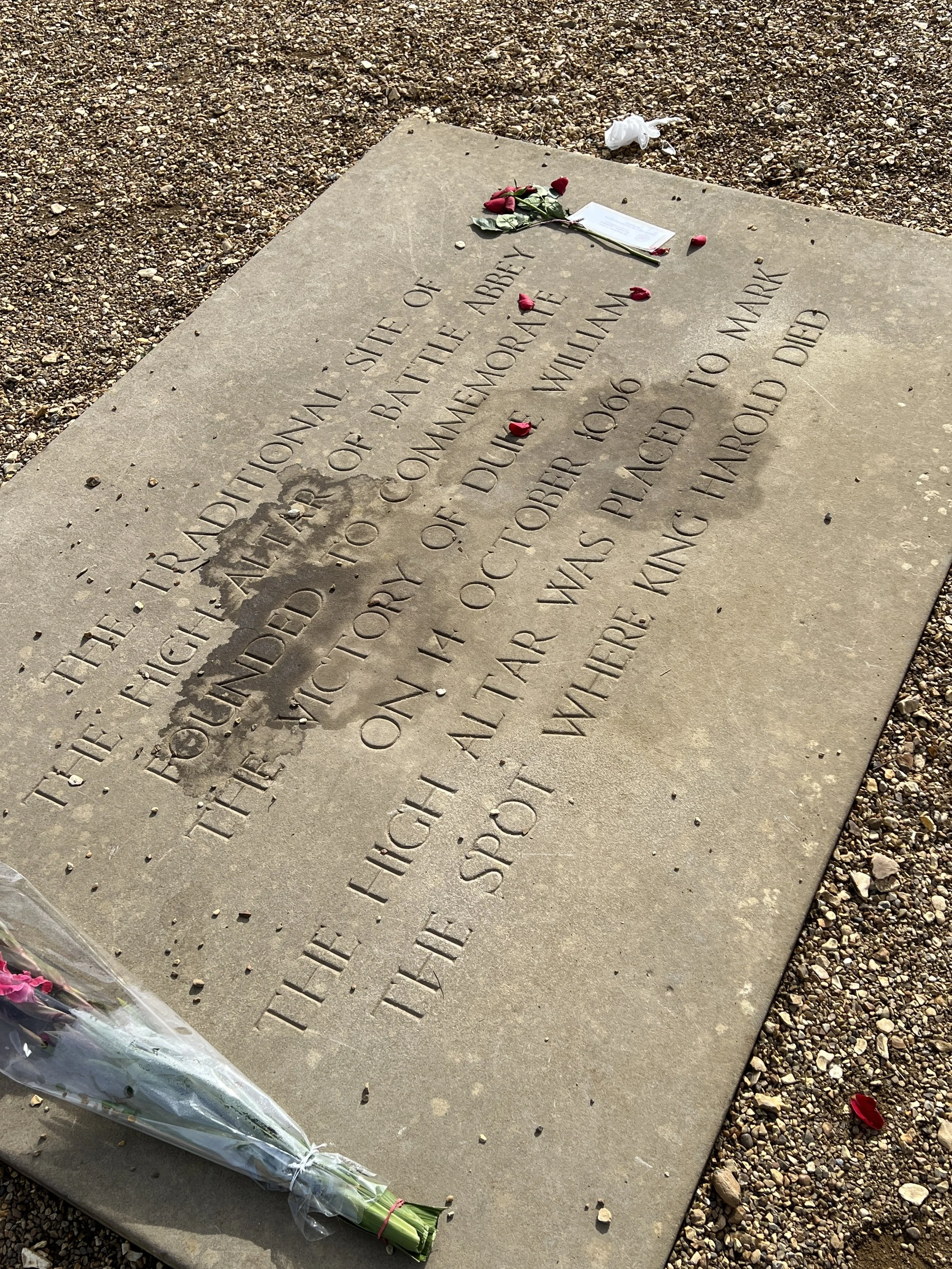
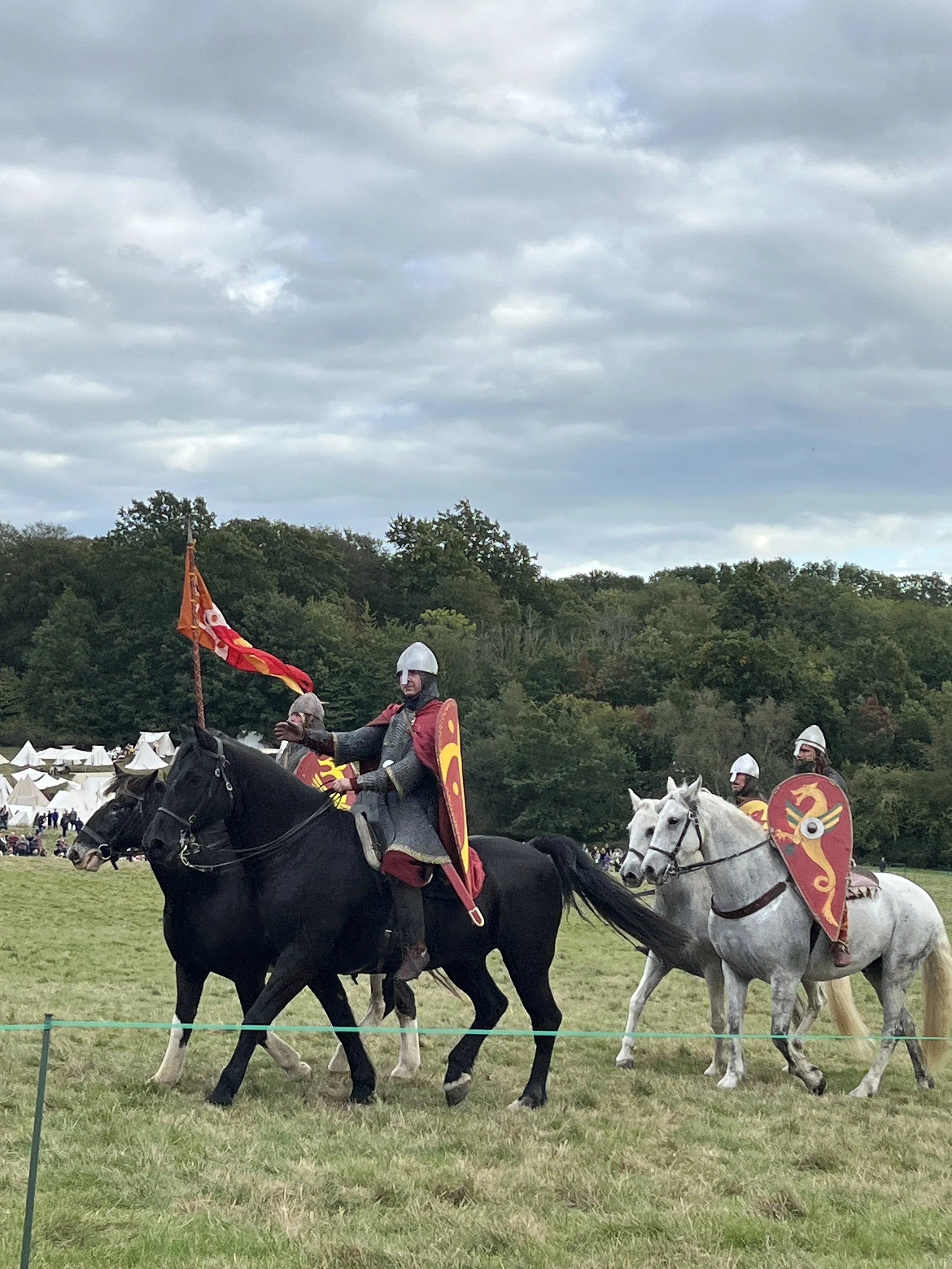
1. Arrival 2. Welcome! 3. Time machine to 1066 4. Waiting for battle 5. Shielding-up 6. Facing our foes 7. Taking it Harold Style 8. Team Harold to the end 9. Parade of Victors
On Bodies & Bladders
That’s where pee comes into the picture. In all of my travels over the last 30-plus years, I’ve noticed one thing always happens: the gap between what my imagination dreamt of the places I was going to visit and what my body demanded in the moment. Chief among its demands: where is the nearest toilet? That question has often stolen the dreamt-of awe of finally arriving at a destination. Much to my chagrin, logistics - following the signs, getting to the gate or platform, going from A to B, finding toilets and food - often usurp the fantasized moment of ‘when I get there, I’ll feel X’. The body often has other ideas: feed me, quench my thirst, rest me and relieve me. The body at times arrives like an uninvited guest to what the imagination had planned, swerving our priorities as only a full bladder can, even for the most experienced of travelers.
Added to my fickle bladder was the arrival of a cold, with fever and sinus headaches, for both me and my husband. The body was most definitely making sure we felt its presence.
Is that bad? No. Inconvenient at times, surely, because it goes against our expectations.
‘Yes, I’ve arrived at the location of the Battle of Hastings! I want to see the re-enactment actors and their tents! But first: my kingdom for a porta-potty!’
‘Yes, here are the White Cliffs of Dover (less white than I expected!), but this runny nose and feverish body can’t be bothered!’
But why wouldn’t the body usurp the throne that our minds thought was rightfully theirs? Because on a journey, the body does serious heavy lifting (not just heavy suitcases). It takes on the tortures of flying economy, the disruption of its rhythms, foreign foods, changing climates, and finally the pernicious tricks of jet lag. And aren’t we supposed to transform during a journey, a pilgrimage? The first casualty of any threshold experience is the destruction of the self that took us up to that point. Perhaps a cold and an anxious bladder are minor inconveniences compared to bigger life changes.
And here’s the thing: when going to a place the mind has dreamt of for weeks, months, or years, it’s easy to let those images color our expectations and forget that any experience will have to pass through the border control of our bodies. This is the rule of this planet - embodiment through the physical - one way or another.
Plus, even at a cellular level, our bodies are being influenced (attacked even) by the biome of a certain place: what we drink and eat, and how all of it came from the soil of that place. Then, through our own bodily releases (there’s the pee!), we return something of the biome we came from! It’s a primal exchange that is easily glossed over as “I’ve eaten the most scrumptious dinner while in____!”
While our mind and imagination are being seeded and transformed by what we see and experience, our bodies are literally digesting daily what we’re encountering! My biome is not the same one that headed out to England! I now carry things from Kent, Derbyshire, London and even Iceland (due to our stopover)!
And still, I keep going back. These lands hold stories that I’ve cherished and dreamt of for 30 years and they are strong enough to haul this body across an ocean in economy class, tackle fever and sinus headaches, and carry it past every toilet queue between Battle and Bloomsbury. The stories that matter don’t stay politely in the imagination. They call the body in, bladder and all.
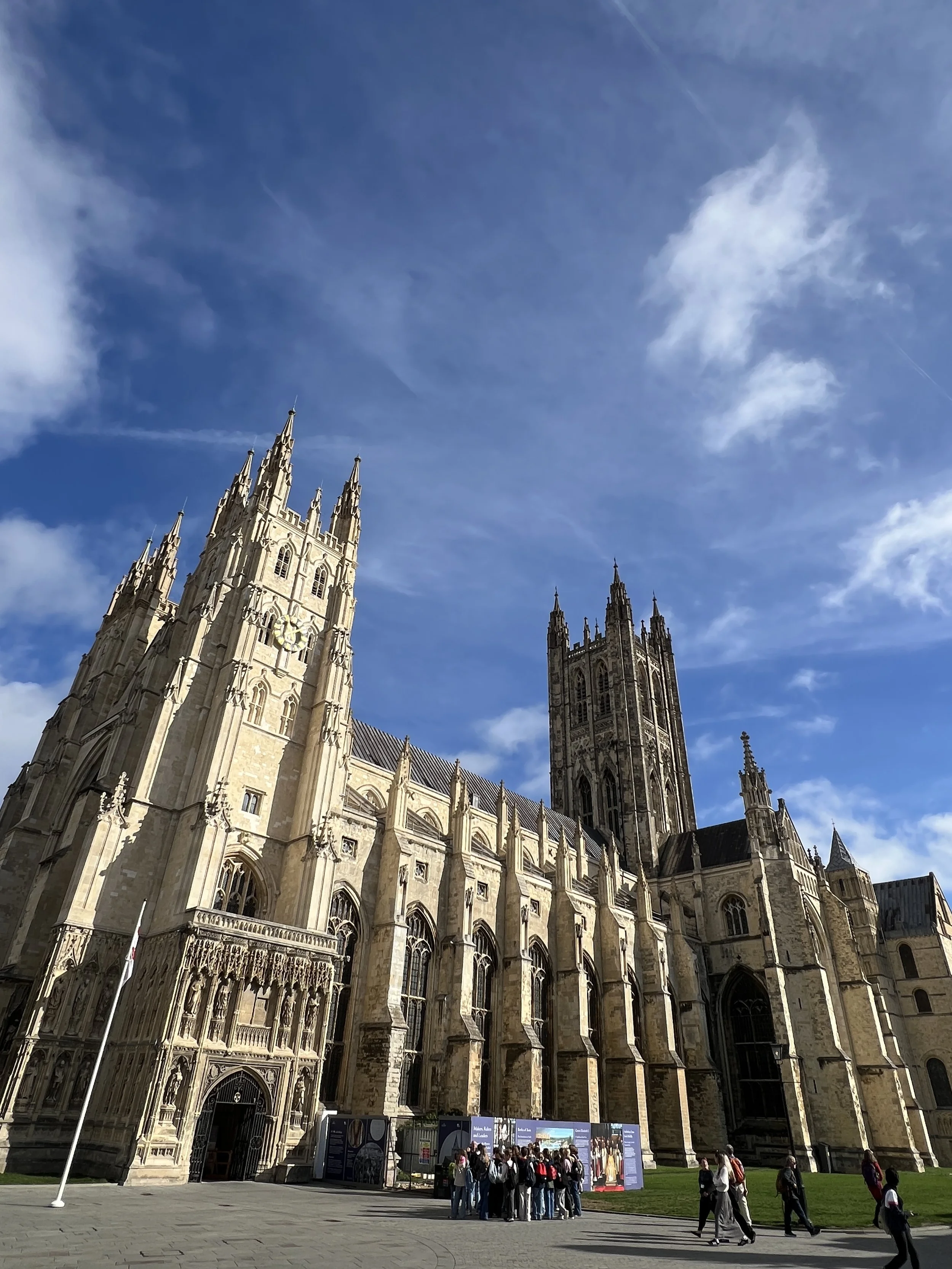
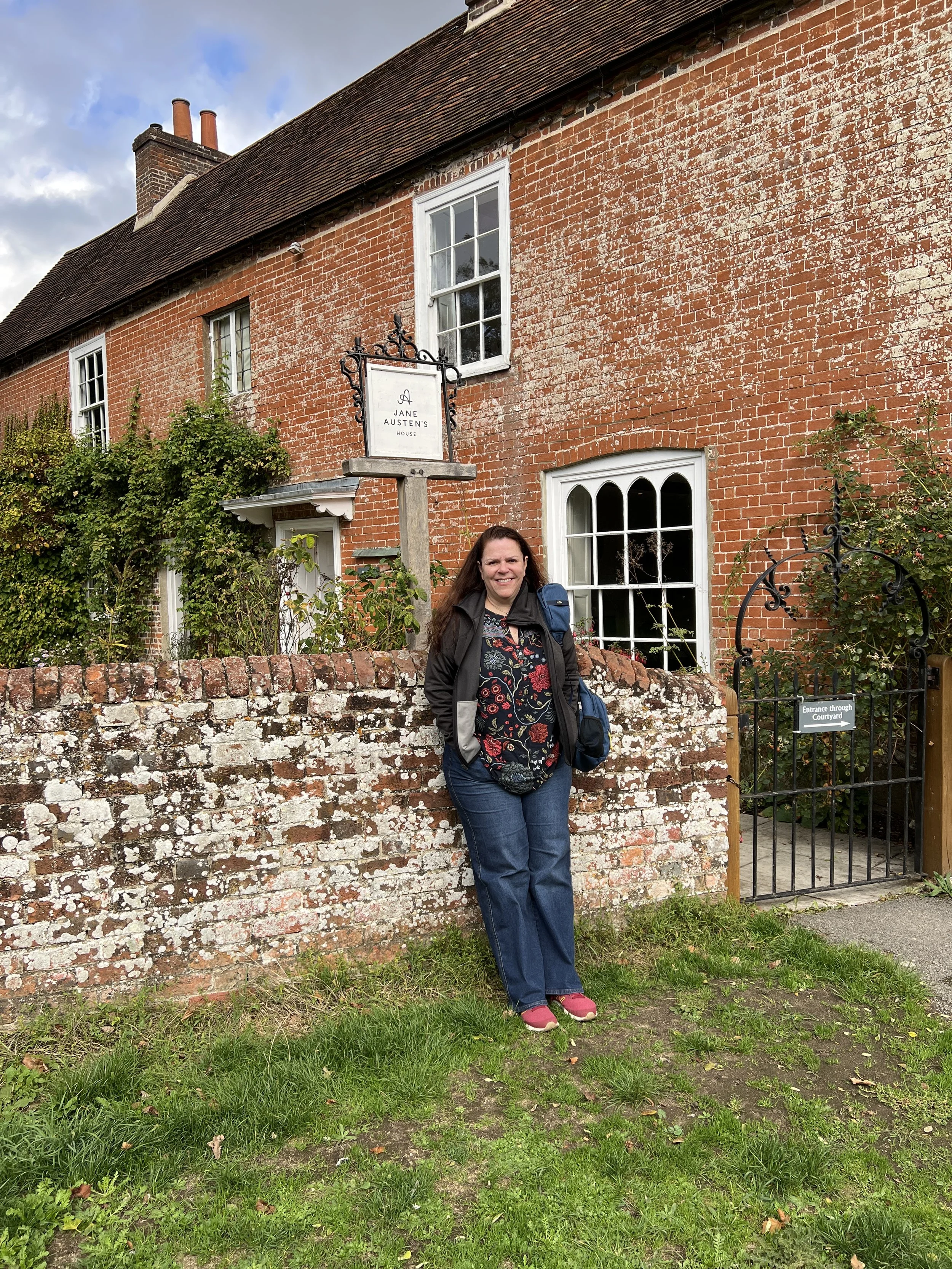
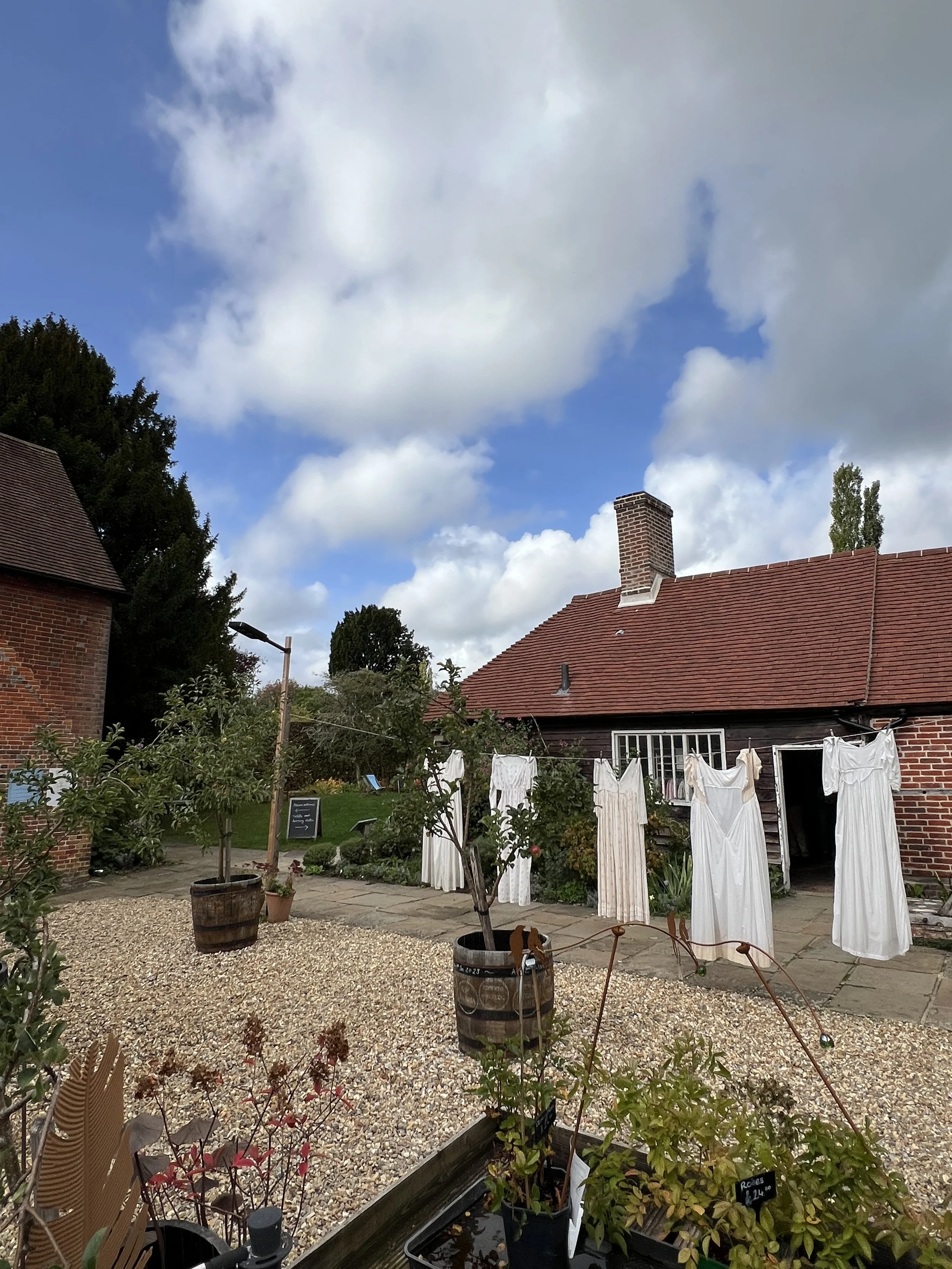
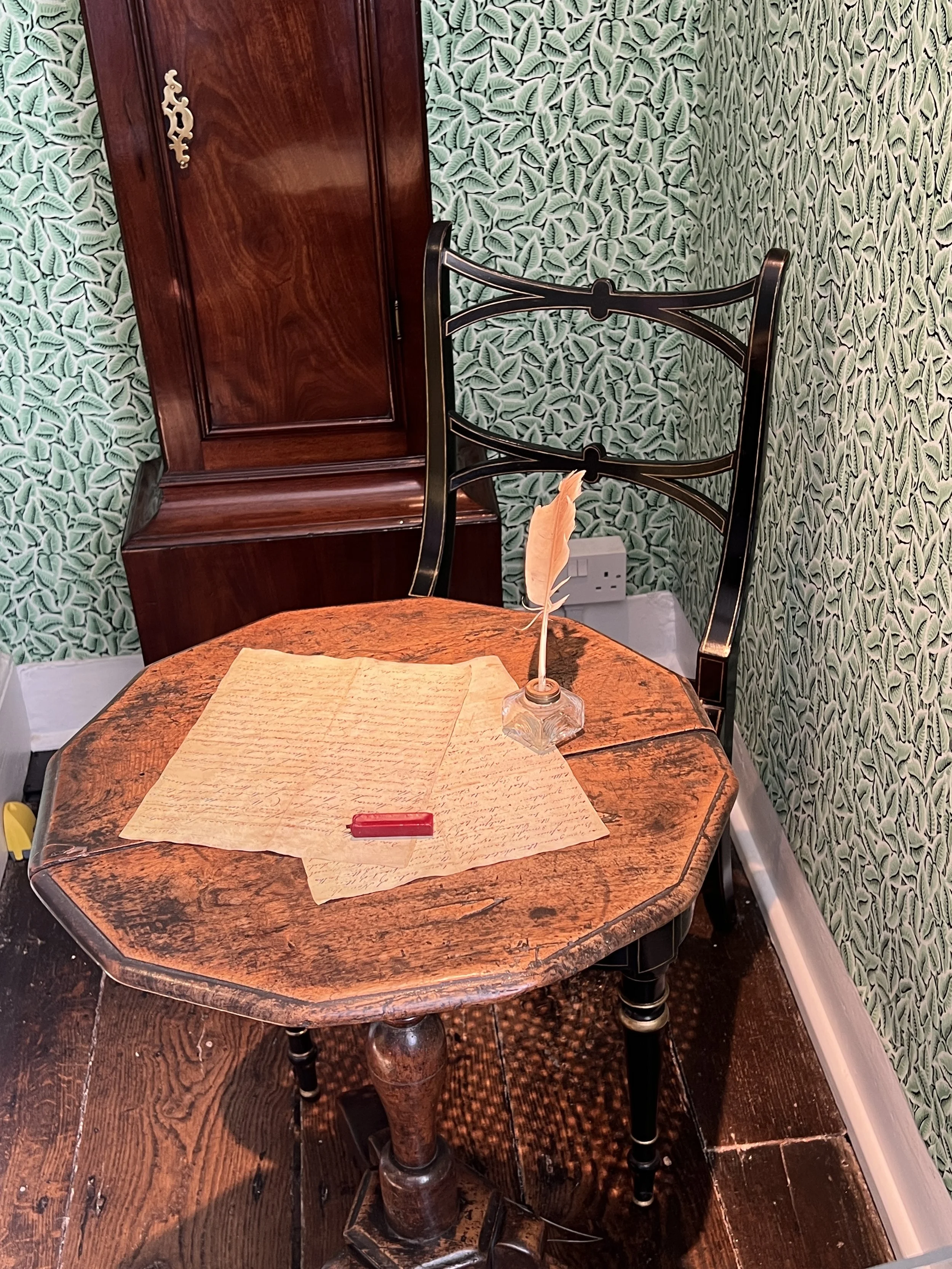
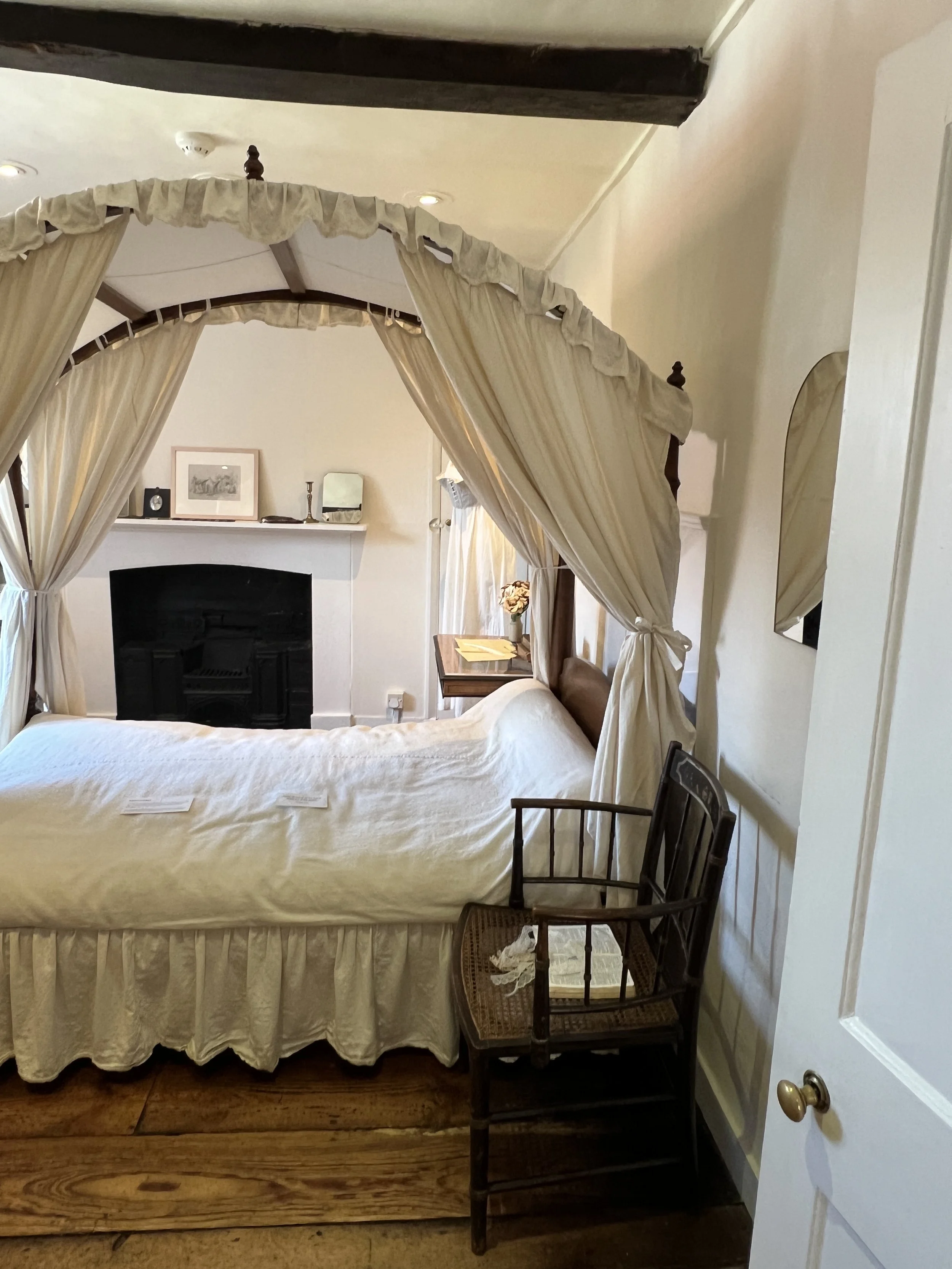
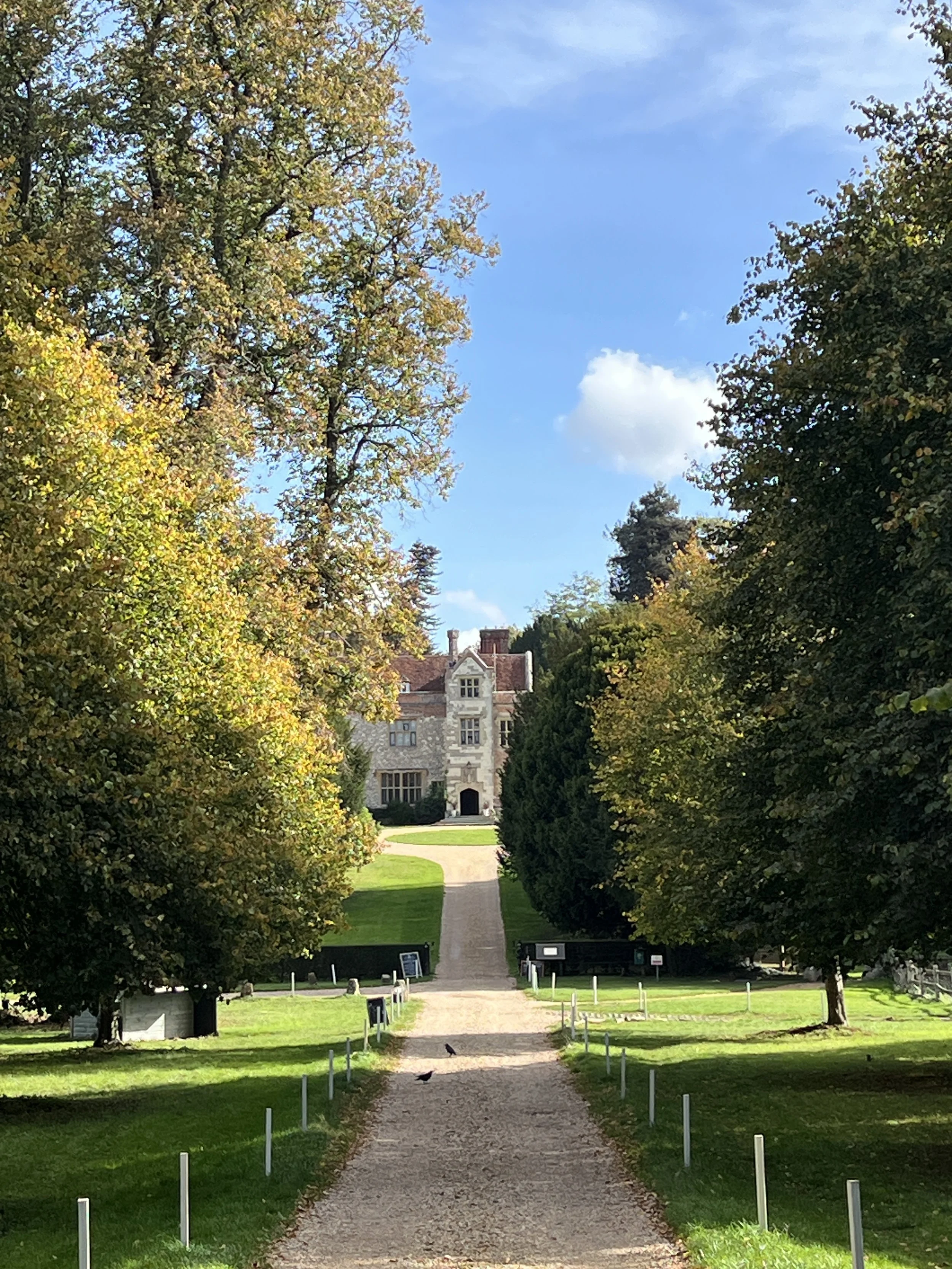
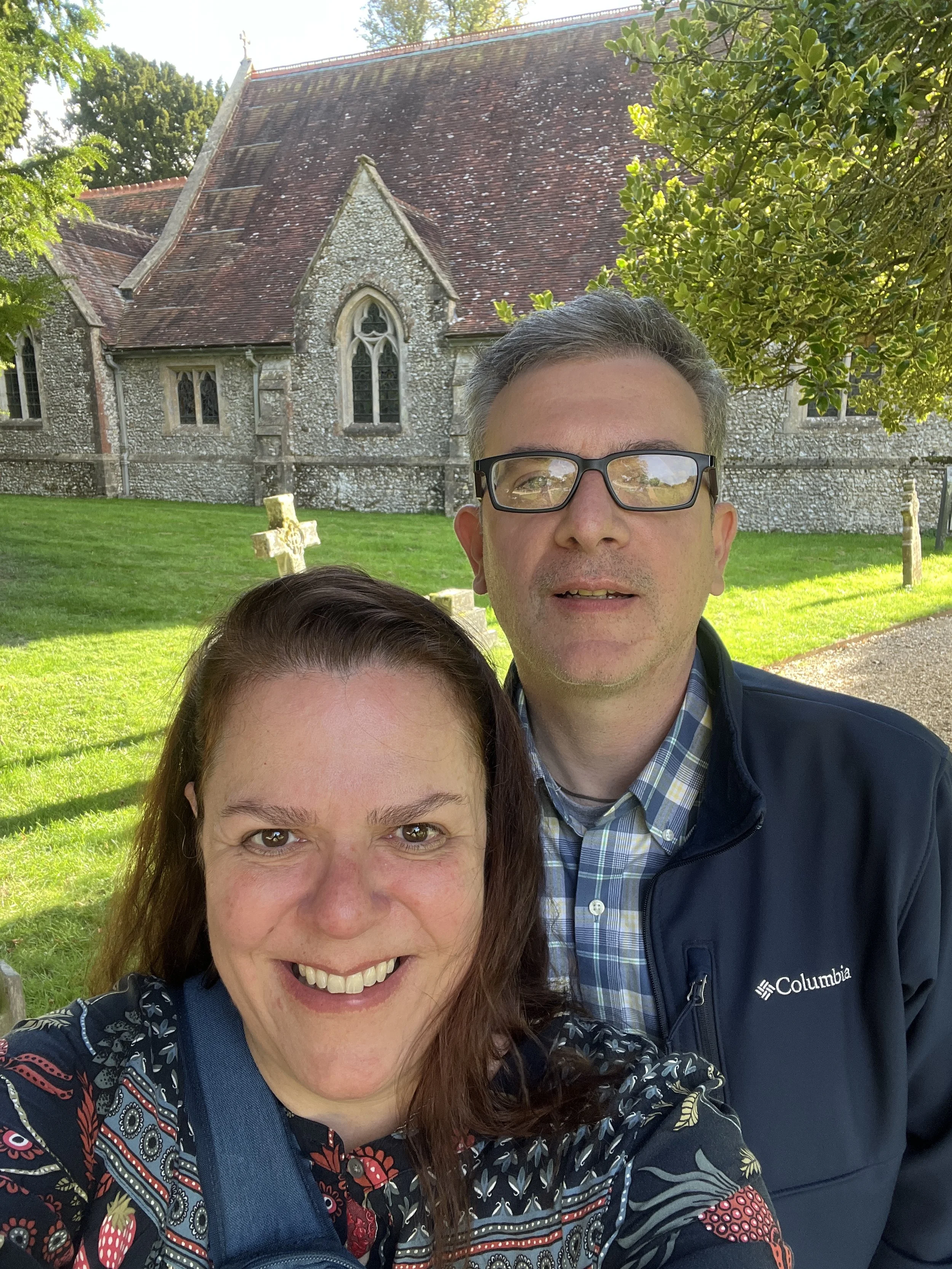
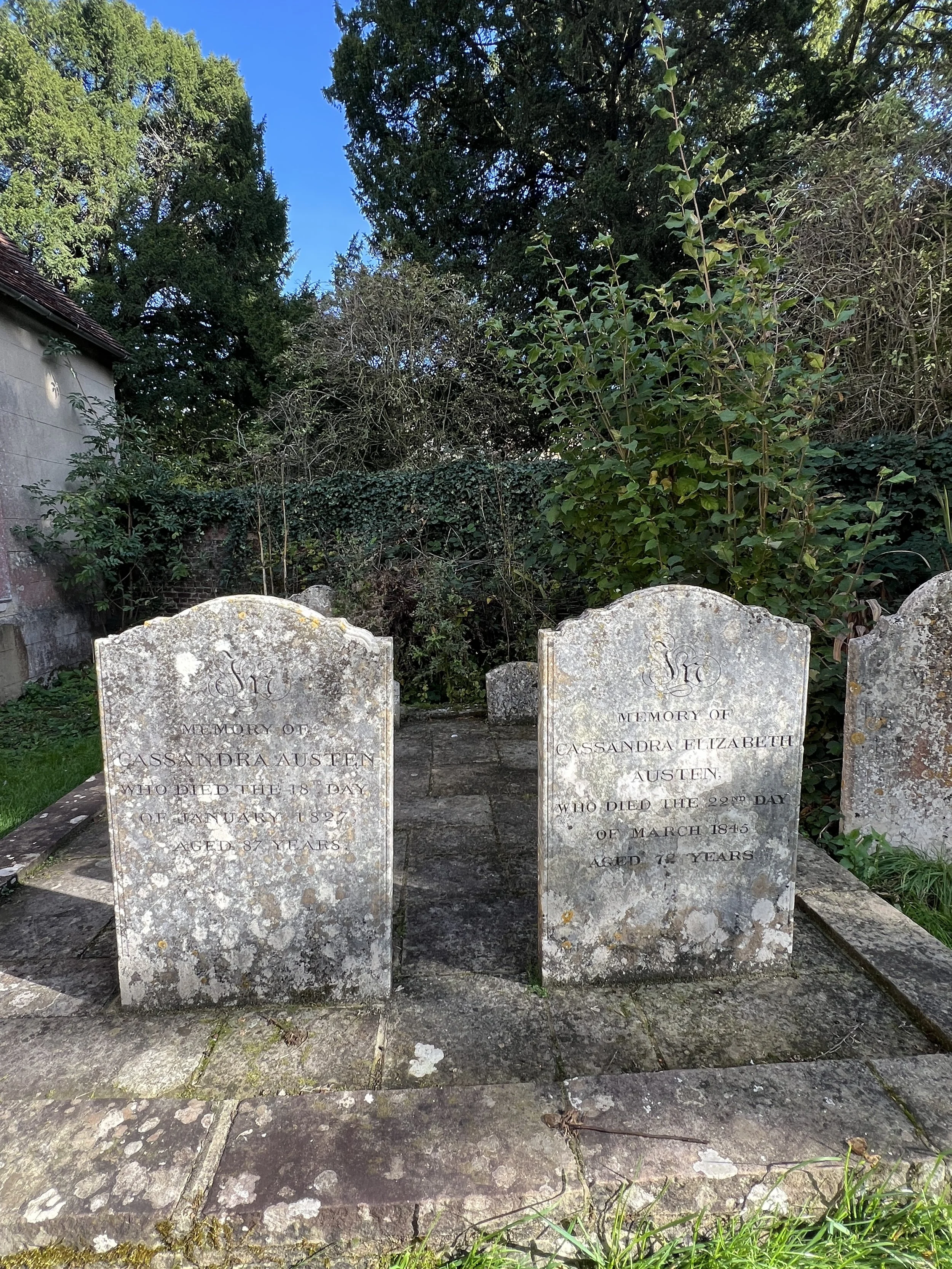
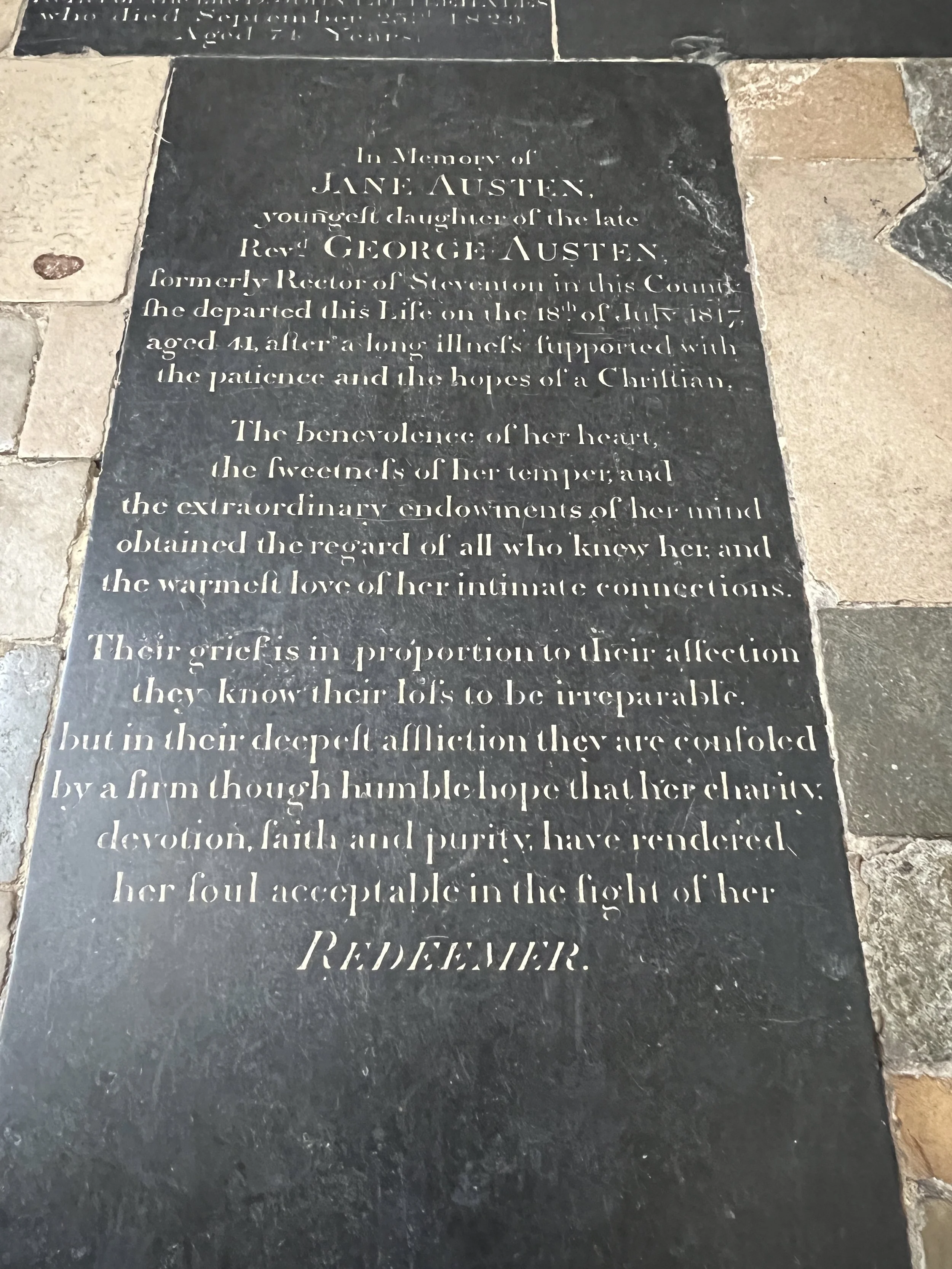
1. Canterbury Cathedral 2. Finally at Jane Austen's! 3. Her backyard - how quaint! 4. Her tiny desk. 5. Her bedroom! 6. Chawton House 7. A lovely walk to the church 8. The tombs of her mother and sister 9. Jane's memorial at Winchester Cathedral
On Stories & Storytellers
Much of this journey was spent hanging out with old and new friends. I loved being able to hang in their homes, have a peek at how they live, listen to their stories and worldviews, and let them take me to places that hold meaning for them. This trip also had for me a strong element of the masculine: Conor, an old friend my father introduced me to when I moved to NYC 26 years ago who carries the masterful talent for stories of the Irish; Steve, whom I met in Oxford at an astrology retreat 25 years ago and who therapeutically helps his patients speak of their stories; Brian, my mentor of over four years, whom I finally met in person, and who brings soul to the cosmic story of astrology; and Rob, a fast walker and talker of wild stories about the music scene, and a new friend for my husband, a DJ whose sets he’d followed for a while and finally got to meet. Even the passenger who sat next to me on the flight out was a retired photojournalist who shared some amazing stories of his work in the orphanages of Romania in the 1990s.
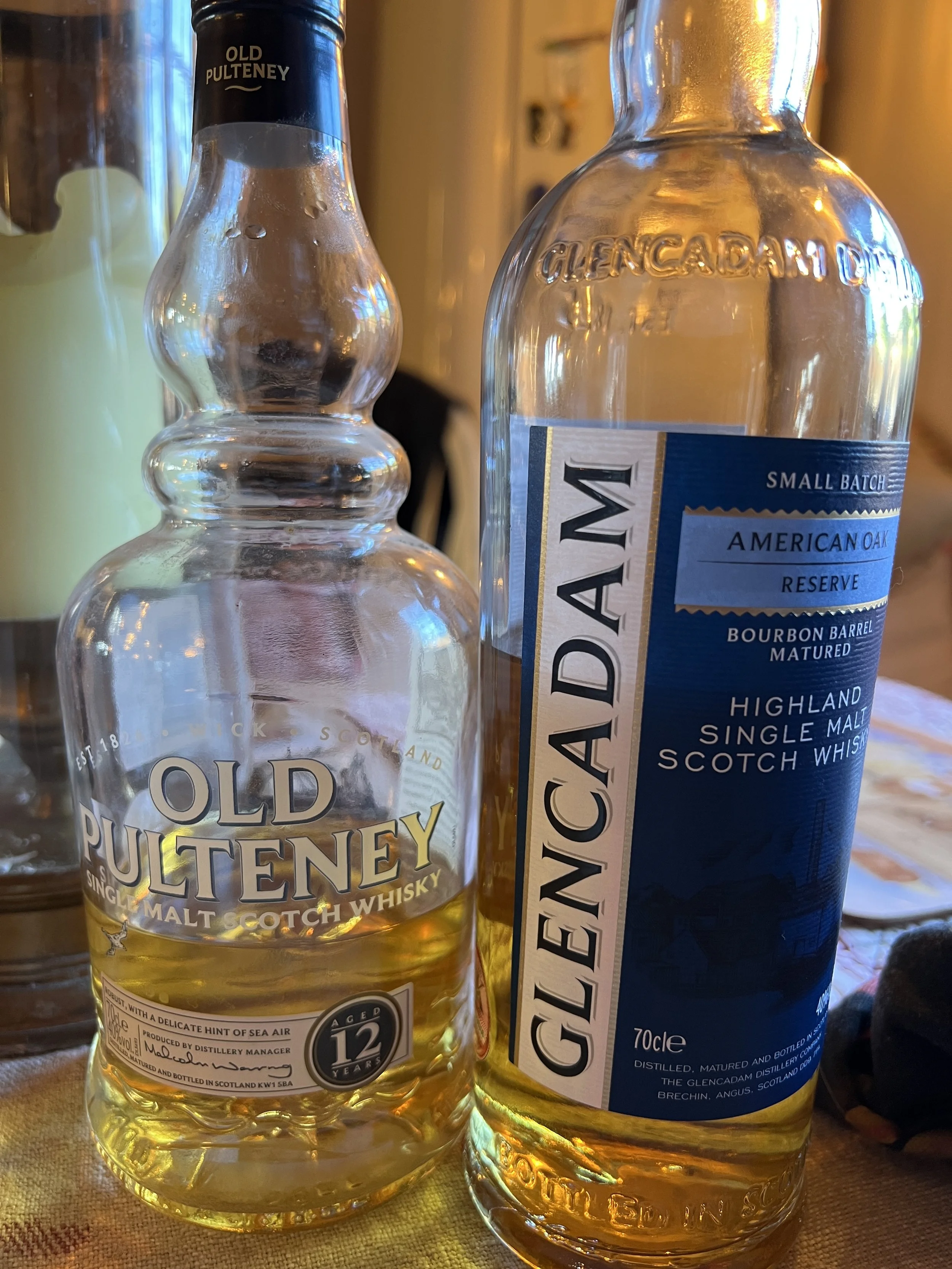
All of them had stories to share and tell. All of them are world travelers, observant of other cultures, with ample generosity of spirit and curiosity. Honestly, I could have spent more time drinking the good whisky and listening to their stories. Grateful that they’re all in my life.
I also got to reconnect with amazing women - both old friends and new - and listen to their stories. One of them is an actual published author with several books - more on that in future posts. Barbara told stories about women in the corporate world and about her mother’s courageous gumption in leaving Ireland to join the Metropolitan Police in London. Laura has moved her storytelling from newspapers to several published books. And Somer, working in communication for a prominent university, shared her perspective on how universities need to change their own stories to move with the times.
By now, I’m sure you’re seeing the core weave of this journey: stories. Not only the folks I met on the ground, but also the historical ones.
The trip was bookended by a story that has shaped a nation, affecting other nations and even the language I’m using to write this very post: 1066 and the Norman Invasion. Our first stop was English Heritage’s Battle of Hastings re-enactment at the site of the original bloodshed in Battle. This was such a fun experience! There were kids running around brandishing their wooden swords with their plastic shields and helmets. There were two camps made up of re-enactment actors and volunteers from both factions: Normans and Anglo-Saxons. Seeing their camps was like stepping into a time machine for a glimpse of what life was like then. Even the smell of the smoke over the food they were cooking transported me to what could have been. Then the final show, condensing a day-long battle into 45 minutes! Talk about making a torturous, blood-filled story into entertainment, where we got to boo William - the Conqueror - while half-heartedly cheering King Harold. Unfortunately, we all knew how this was going to end: with an arrow into King Harold’s eye and his ultimate death. Still, I’m team Harold, and I even felt teary-eyed at the stone marking his supposed place of death. Again, my body revealed emotions that I wasn’t expecting to experience.
We wrapped up the trip with a visit to the many stolen treasures of the British Museum to see the Bayeux Tapestry (on loan from France until July 2027) - the most famous embroidered ‘cartoon strip’ telling the story of the Battle of Hastings from the victor’s perspective. Victors don’t only snatch crowns; they also snatch the narrative and shape it as they please. Seeing the tapestry was for me akin to my experience of seeing Michelangelo’s David in Florence. Striking in a whole other way, because instead of stone, this historical artifact in all its fragility - embroidery done in wool on linen! - has survived almost 1000 years! And it’s still colorful!
In all of its 70 meters, a whole story unfurls in color and action: warriors besieging castles, crossing the sea, cavalries fighting it out in blood-filled muddy fields, and an arrow to the eye to end it all (granted, whether King Harold really died from an arrow to the eye is still up for grabs, but I’ll leave that to the historians). It’s a cartoon strip in all of its “Bam!” “Pow!” glory! With horses galore, more than 90 penises (yes, you read that right!), and three women! (That tells you something about what mattered symbolically to the medieval mind, and I suspect even today.)
Invasion and who gets to tell the story. Before any stake goes into the ground, there’s the narrative to control, and that’s as old as time. It got me thinking: how do we tell our own stories? What would go on the tapestry of our lives? What would we choose to stitch for others to see, knowing they’ll make their own stories from it? (Seriously, how many penises would we embroider?)
A side quest after the British Museum was a stop at the British Library, which I’d also always wanted to visit. I was surprised to find an amazing collection of manuscripts and books: Shakespeare’s First Folio, Magna Carta, religious texts from Christianity to Hinduism, and even a Beatles notebook with a handmade sketch by Paul McCartney of John and George! (I can just imagine them taking breaks between recording, and Paul making those sketches.) More stories!
The middle of the journey was spent in Canterbury, of Chaucer fame, and visiting Jane Austen’s cottage, the home where she lived for the last eight years of her life and where she wrote or revised all six of her novels.
Honestly, Canterbury was where our cold hit us the hardest, and I struggled to stay present with what I was seeing. I so wanted to be present to what I was seeing and the places I was lucky to be in, but it was as if my body was keeping me slightly removed from the moment, either in discomfort or subdued by the medication. I felt the cold had stolen from me a bit, but perhaps it was allowing me to take things in unconsciously, without the coloring of what my mind wanted or expected to experience. A protective layer: perhaps. With my mind dozing on cold medicine, my body did the receiving. At night my dreams were vivid and active, though regrettably they slipped away when I woke. Perhaps what came in that way will surface later, without asking my permission, and the dreams will make sense too.
Despite the cold and the long drive to get there, visiting Chawton, where Jane Austen’s cottage is, was a delightful experience. It felt calming, like I was finally arriving at the house of an old friend. Seeing how small her writing desk actually is surprised me. I had read it was small, but seeing it really drove home the point that we don’t need all the accouterments we think we need to create. What we need is a space where we may feel a measure of safety to unfurl our imagination, and the focus and patience to put it on paper. Even as I write this post, I’m getting reacquainted with my own cluttered desk and calling on my Muses for help.
This home came after years of moving and a bit of anxiety about finding a place to feel settled, so when Jane was able to move into this cottage, procured by her brother, with her mother, sister, and a family friend, she felt settled enough to focus on her writing: editing three novels she had first drafted years earlier (Sense & Sensibility, Pride & Prejudice, and Northanger Abbey), and writing the other three: Mansfield Park, Emma, and Persuasion.
It felt sacred to me to be in the place where these books were written and to see how, from that tiny desk, these stories not only took hold but had imaginative offspring of their own: the many books they inspired, the movies, the TV shows. From the tiny acorn of her desk, a whole world has sprung forth. And then I got to walk the road she took to visit her brother at the big house, Chawton House, and see the church where she attended services. Plus it was a lovely sunny day, perfect for one of her heroines’ walks. I felt peaceful there, embraced by an old friend. From this place, I felt the power of stories in other ways: not to control the narrative or shape the identity of a nation, but to activate our imagination and spur us forward to create our own imaginary stories.
From Chawton, it was a quick drive to Winchester and its cathedral, where Jane is buried. There I also got lucky and saw the Winchester Bible, a medieval illuminated manuscript with powerful, colorful pages, still punchy after 850 years!
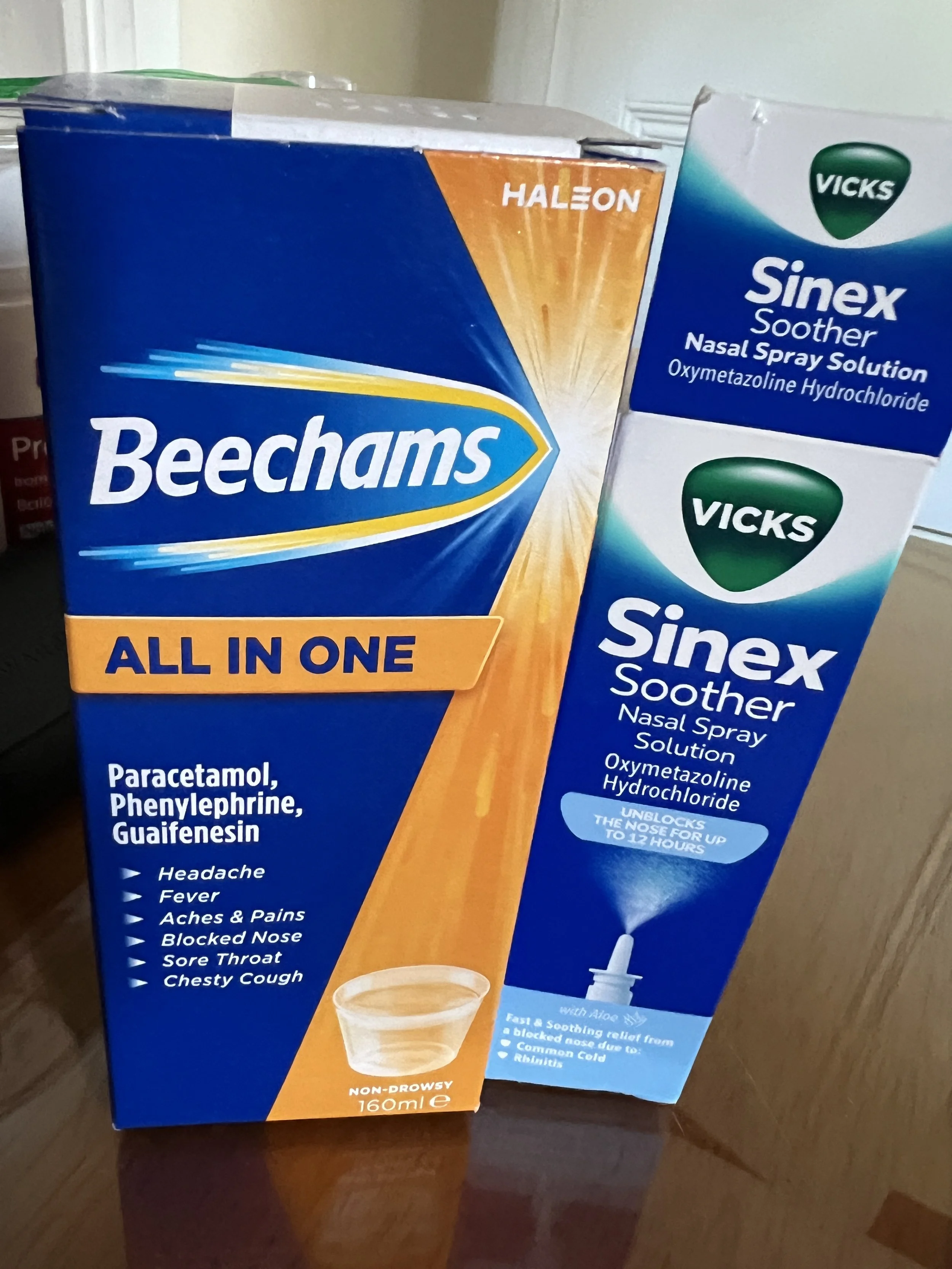
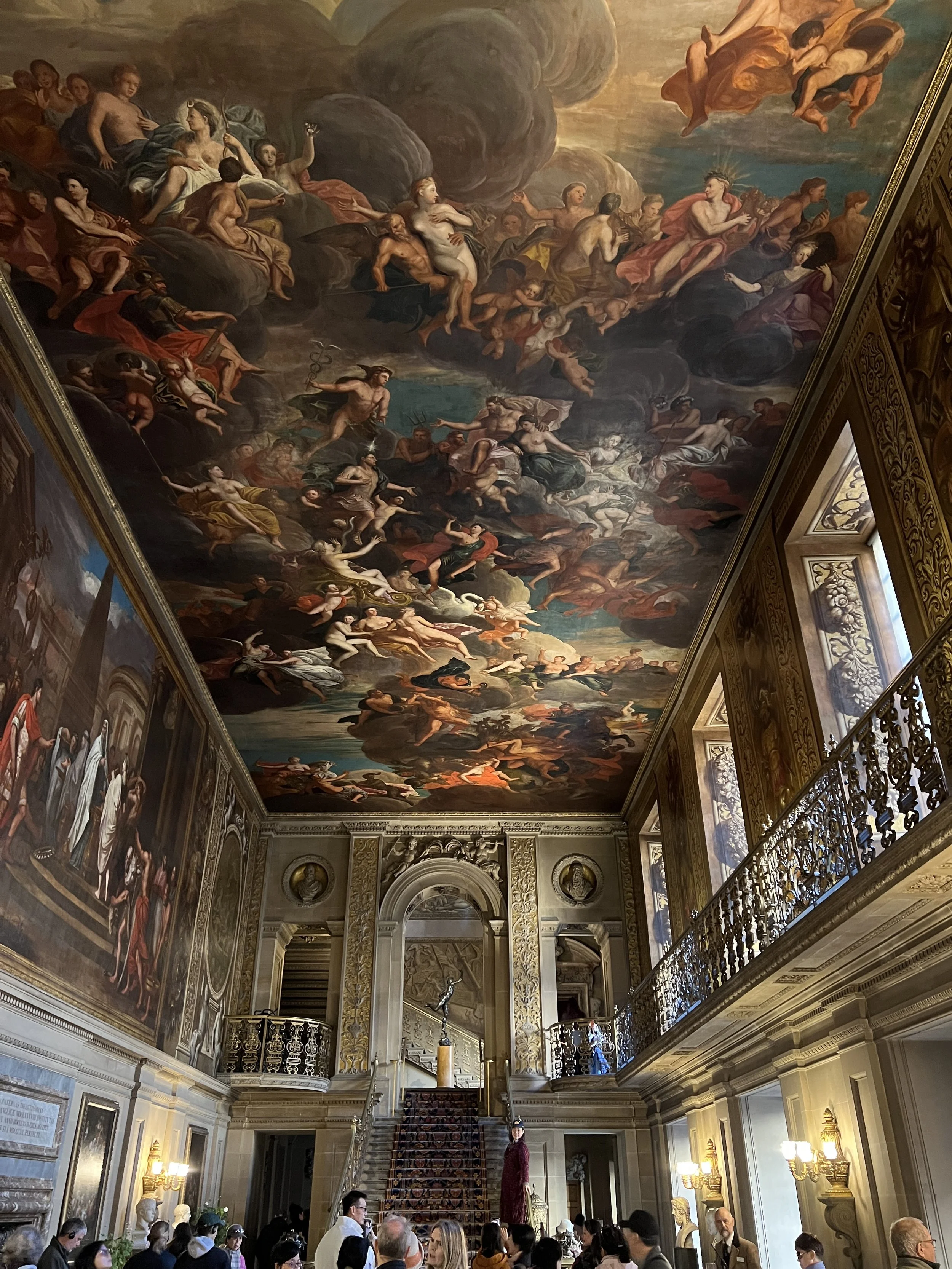
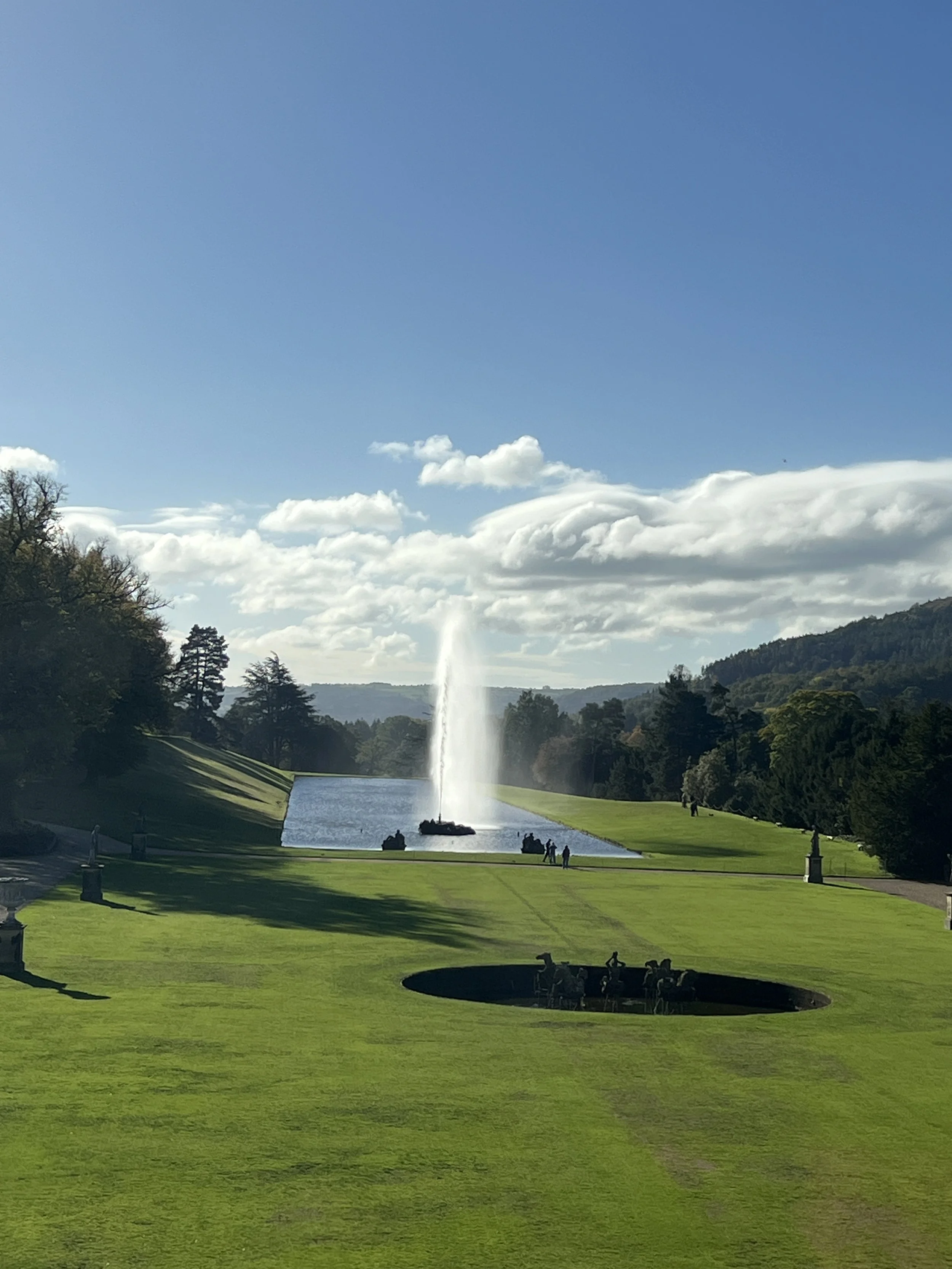
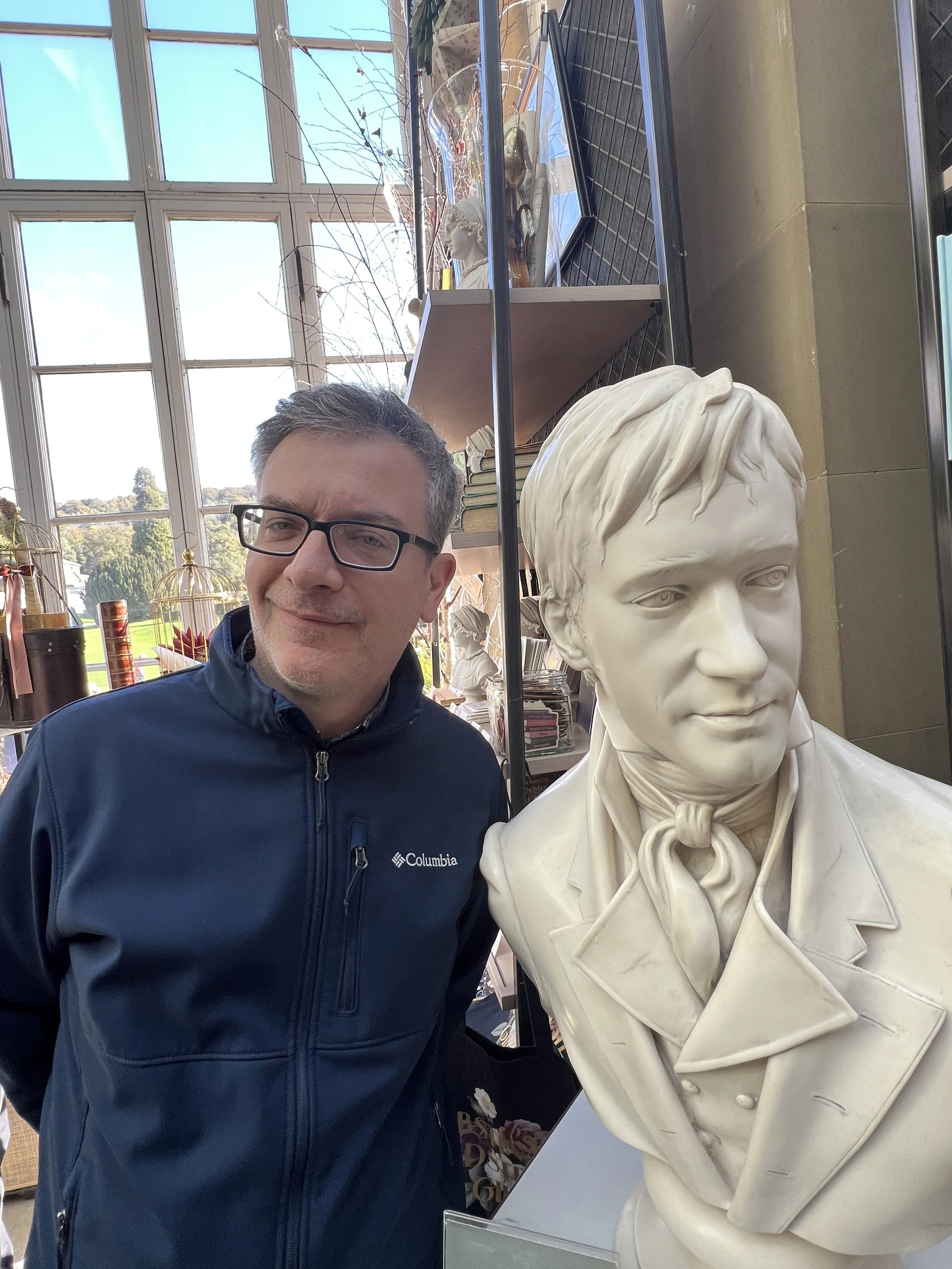
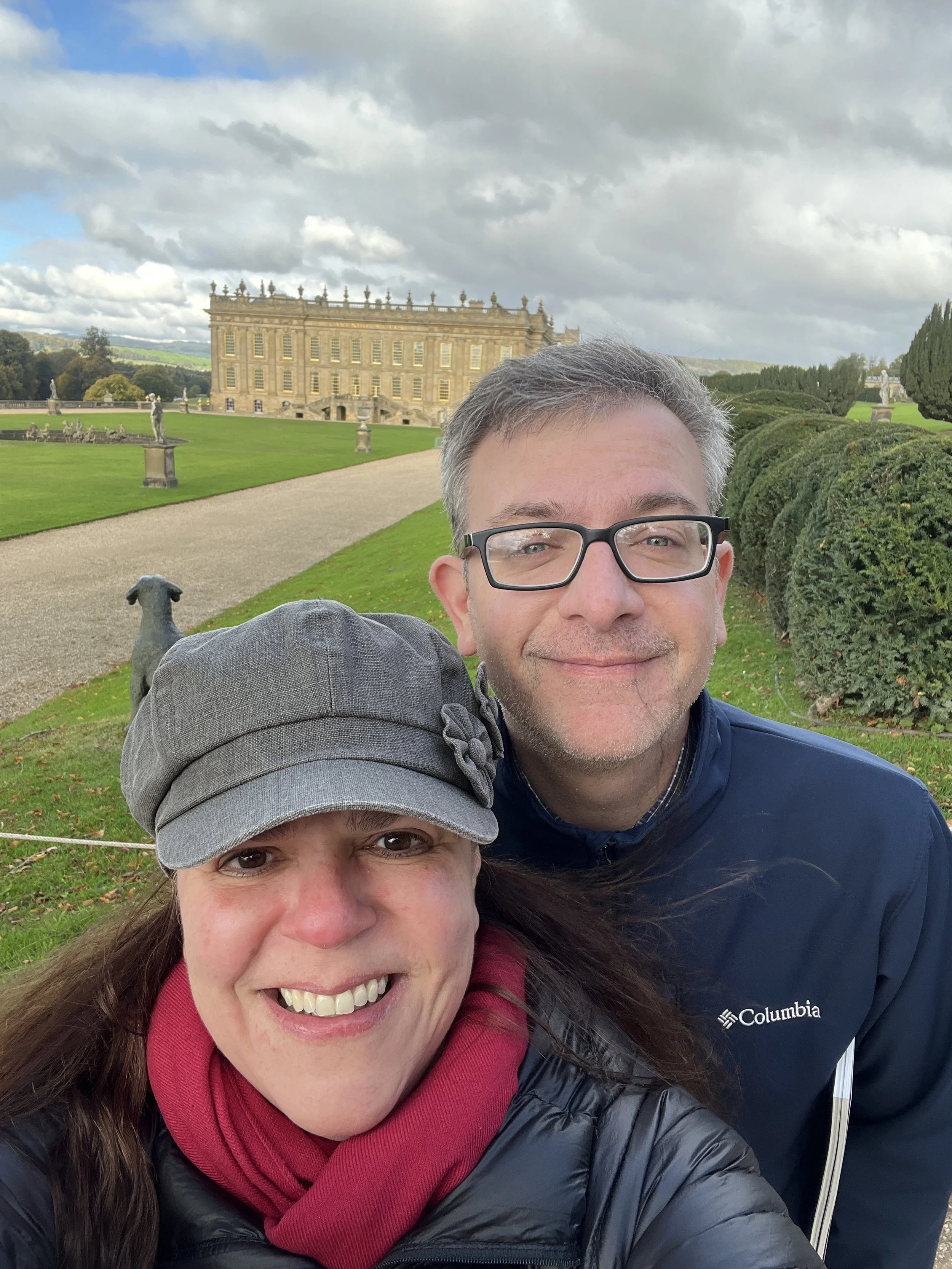
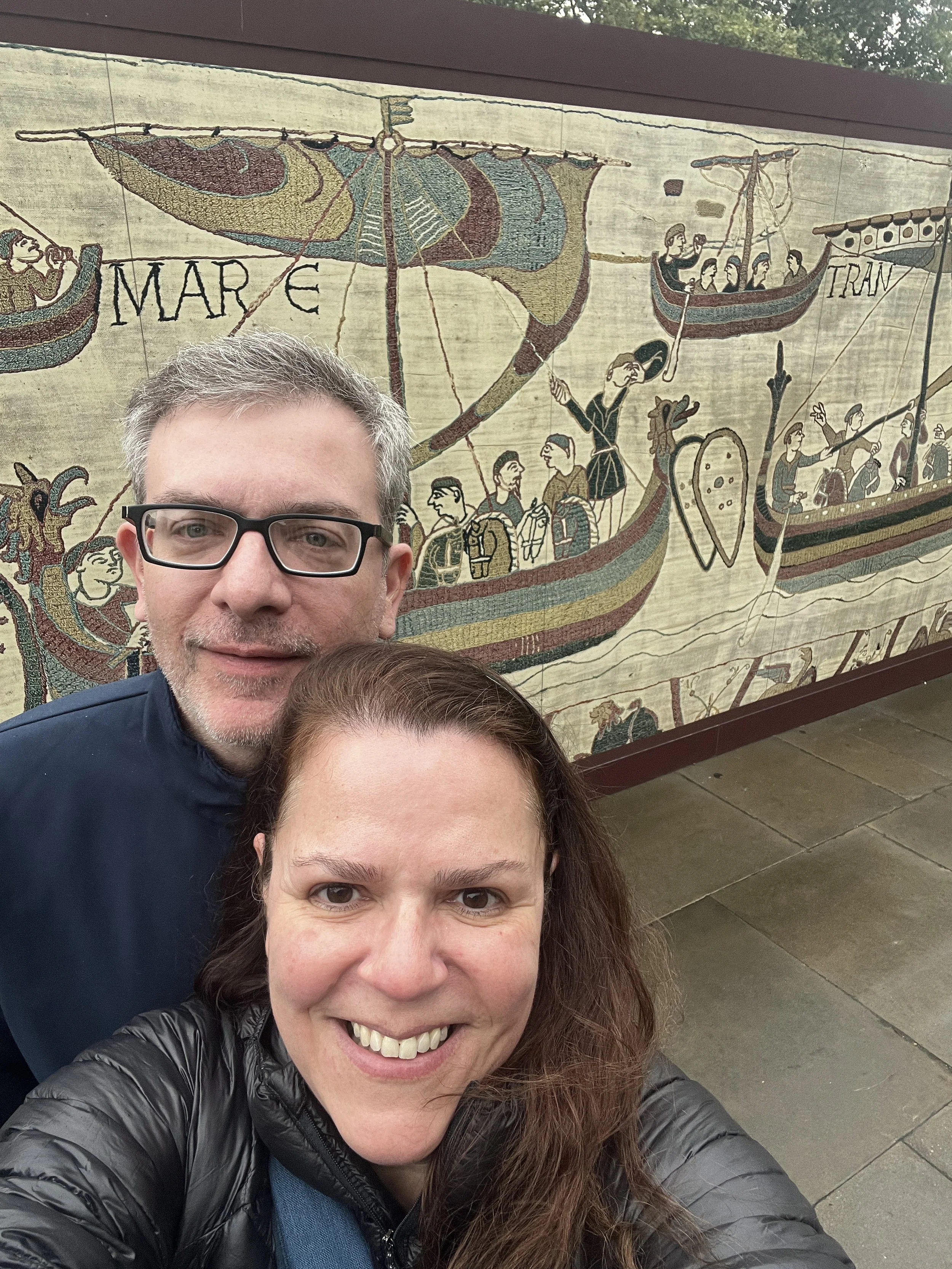
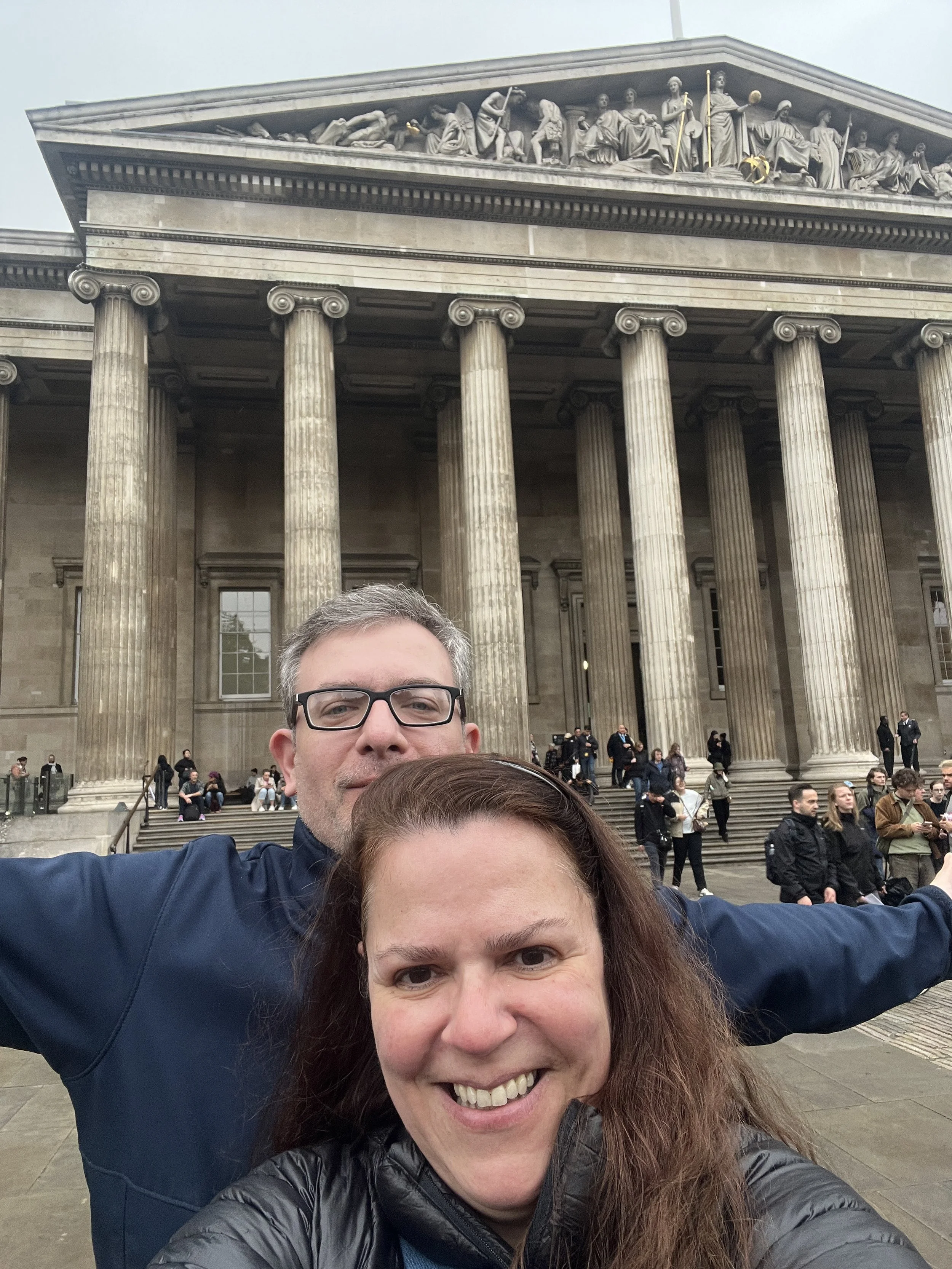
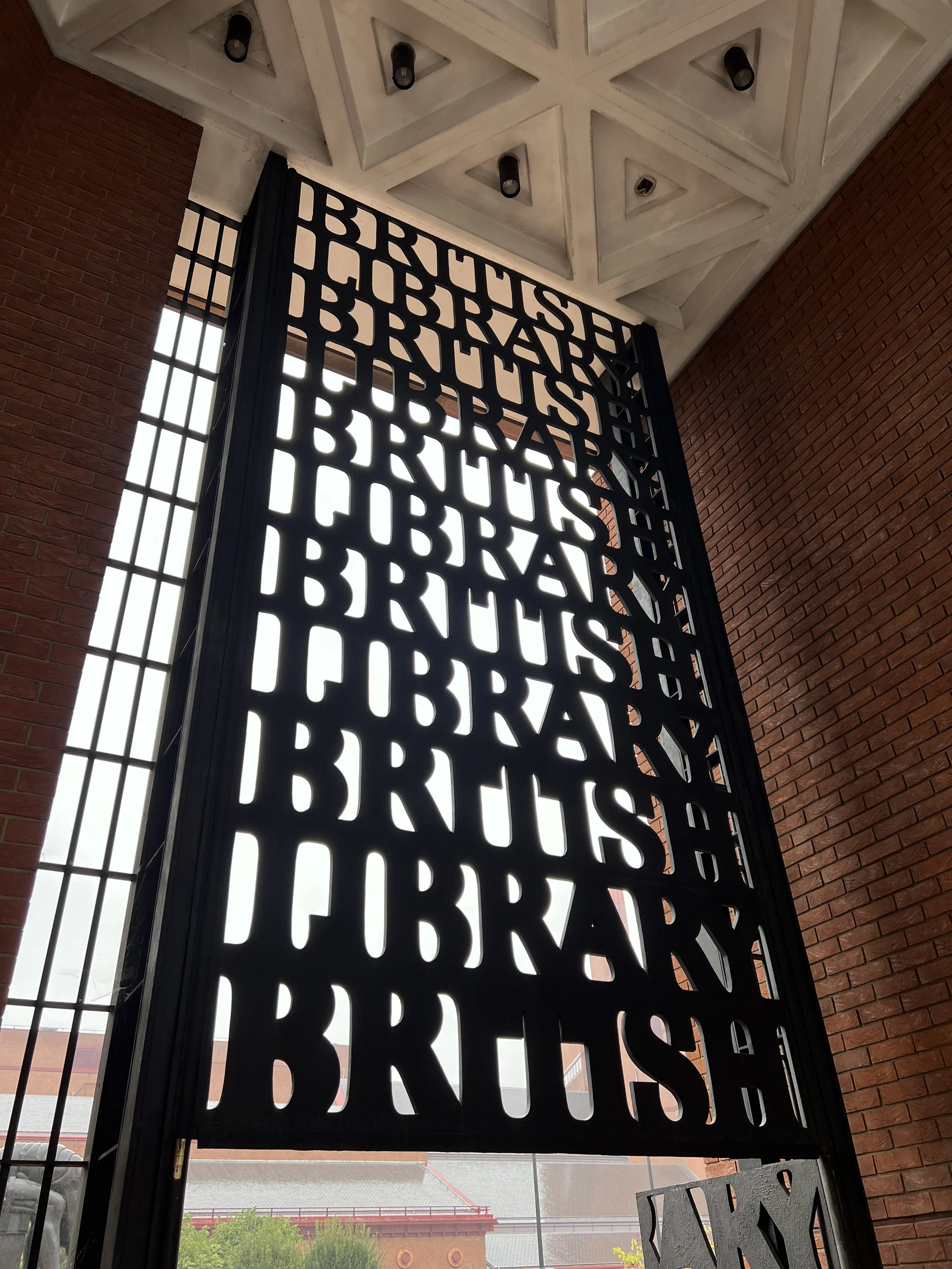
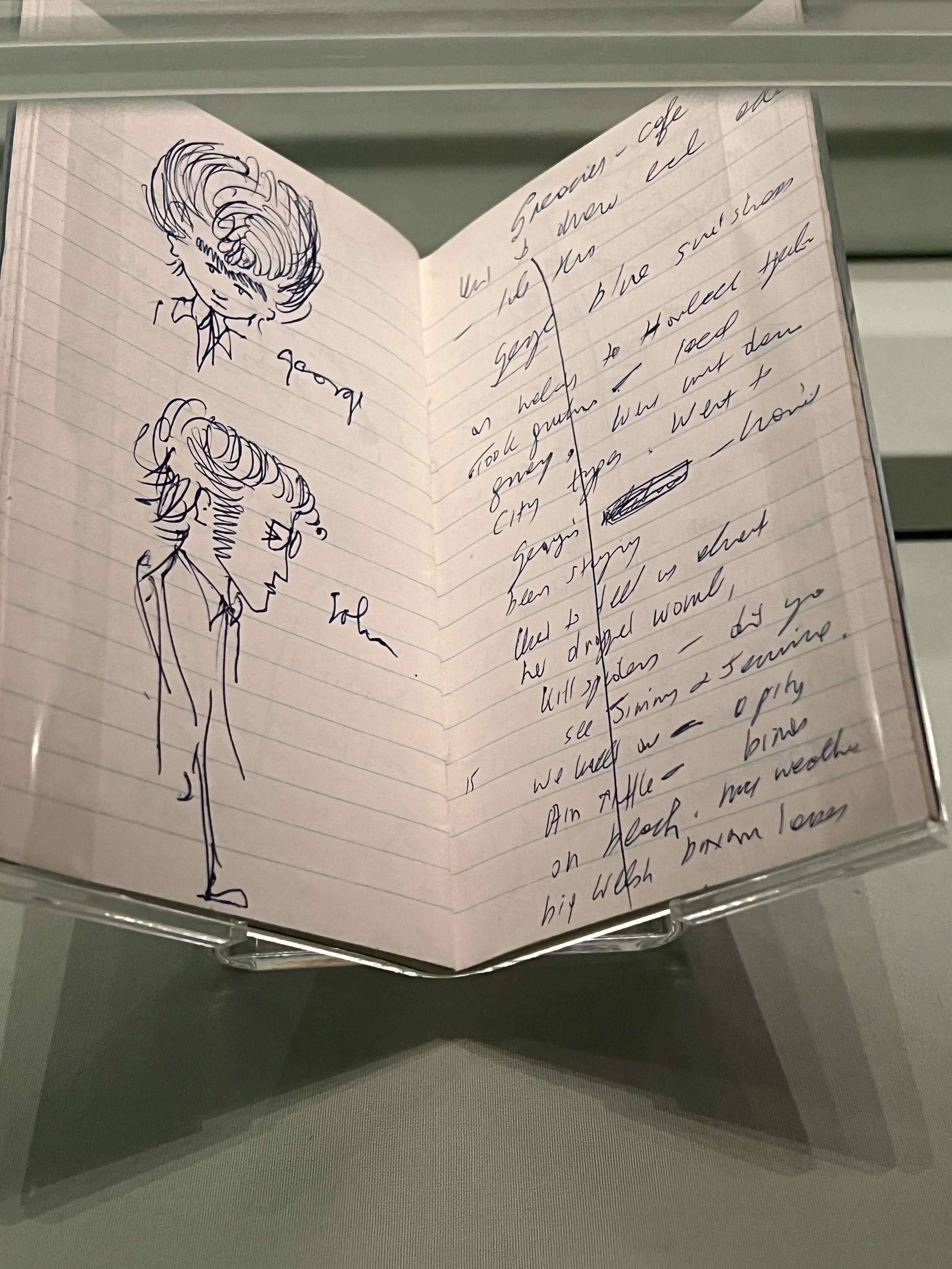
1. Medicinal help! 2. Chatsworth entrance hall 3. The fountain! 4. My Mr. Darcy with Mr. Darcy 5. A view of Chatsworth from the garden 6. Bayeux Tapestry! 7. Joining the hoards at the British Museum 8. The British Library entrance 9. Paul McCartney's drawings
Stories to Carry Us Forward
Good stories lean us forward. They make our bodies want to go there, to do what it takes to make a vision take shape, moving from a reel in our imagination to something embodied. Good stories make us save resources and time and put our bodies through discomfort just to get close to them, one way or another. Stories that capture not only our imagination but also call on our bodies to get involved carry resonance through the ages. The lines outside the British Museum, folks waiting to see everything from the Rosetta Stone (an artifact where language and stories meet) to the Bayeux Tapestry, are a testament to the ageless power of story and how it morphs and shifts throughout time.
So I’ve been thinking about the powerful stories we could use now to help us lean into a creatively generative future, instead of the pervasive eschatological stories seizing the collective narrative, fascism among them. One of them I found at Chatsworth, though my body nearly talked me out of noticing. We were worn down by our colds, Derbyshire was colder than Kent, and Chatsworth is a lot: so much house, so much art, gardens that keep going long after your legs have stopped. My husband was overwhelmed with all the rooms filled to the brim with art, and so was I, a little, even though I had visited there years ago. But underneath the grandeur is a story I found inspiring. The family that owns it, the duke and his family, treat the estate as a stewardship rather than a possession, held in trust for generations not yet born, with the land kept working and productive for the community around it. One can be critical of the landed gentry and these estates carry their own history of who got the land and who didn’t. Still, I found the idea of a generative stewardship for both the present and future, however imperfectly done, to be a story that makes one lean forward.
Then, upon our return, I was gripped by Lula’s re-election in Brazil and how the Brazilian people have taken to the streets - bodies in action - to shift the story. Whatever one may think of the good or ills of Lula (if this were a romantasy novel, he might be considered a morally gray character, taking on worse evils), what I’m taking from this historical moment is the power of the body of the people. Not one hero’s body but thousands of them, moving together and moving the story with them. A story doesn’t shift only because minds change. It shifts when enough bodies get up and walk toward it. And if I learned anything from being in those places and learning about 1066 and all that, it’s that nothing is as black and white as we’d like to imagine. Historical figures and movements are many shades of gray, but the stories that come from them have the potency and power to shape many years, even centuries, into the future.
A good story makes us lean forward, hungry to understand it, make something of it, and even insert ourselves into it, the way folks once paid to be painted into mythic and religious scenes. A good story captures not only our imaginations but also makes our bodies move toward its vision. A good story isn’t the end of the line. It’s a generative spark. And if it first sends us hunting for the nearest toilet, so be it. The body was always coming along.
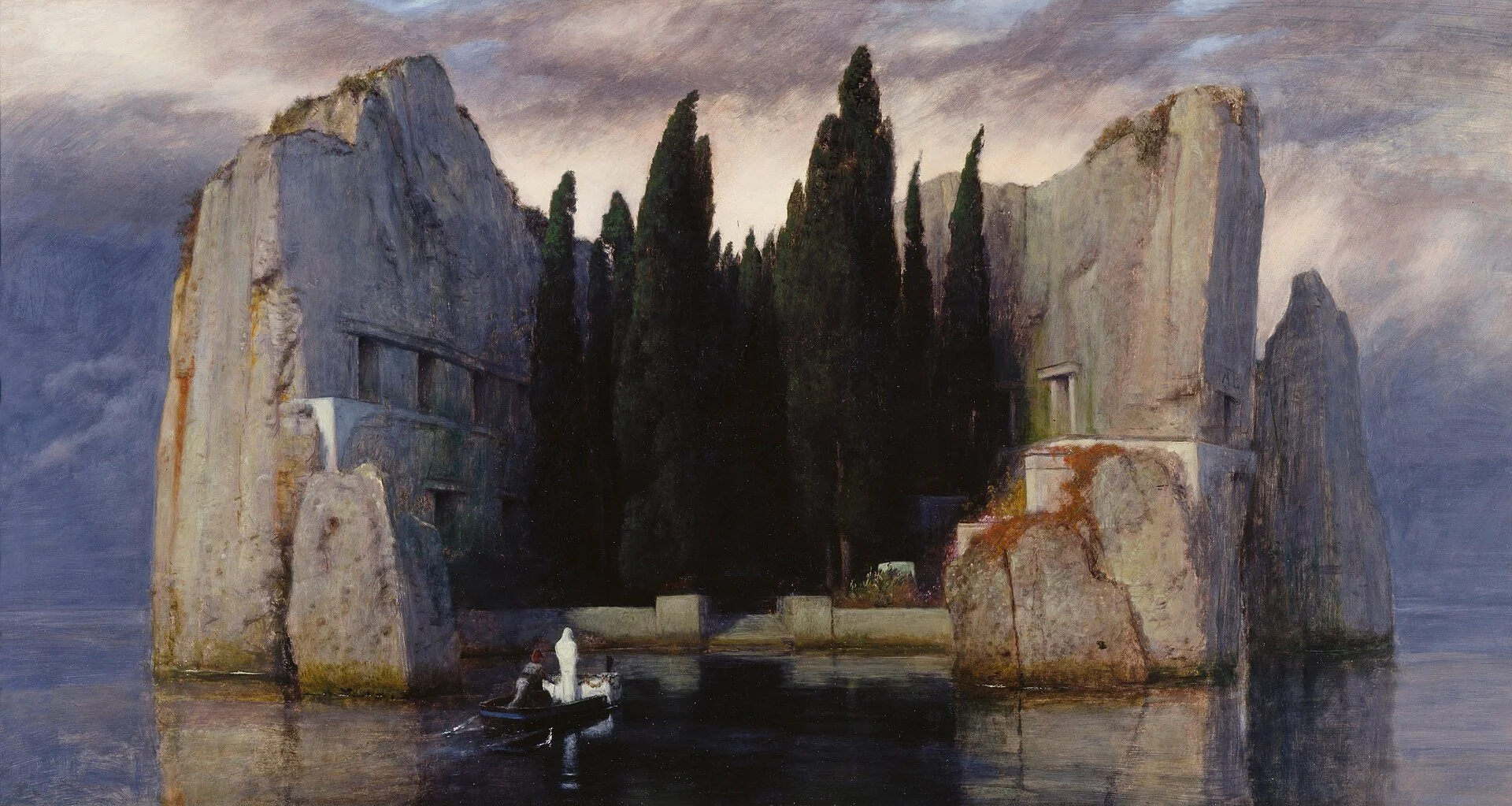
The Liminal
Crossing the Threshold into Unfamiliar Terrain - A three-part series.
Above, I wrote that the first casualty of any threshold experience is the destruction of the self that took us up to that point. I came home from England knowing it in my body (along with a little Kent in my biome). The woman who left isn’t quite the one writing this, and the one writing this hasn’t fully arrived.
That in-between is the ground we’ll walk together in The Liminal: Crossing the Threshold into Unfamiliar Terrain. This December, across three Saturdays, I’m teaching it through the stories that have always carried maps of this terrain: the goddesses who descended and came back, the heroines of fairy tales, and yes, the heroines of romance novels. If you’re somewhere in a crossing of your own, chosen or not, come join me.