When a reading slump is really a leash on your hunger
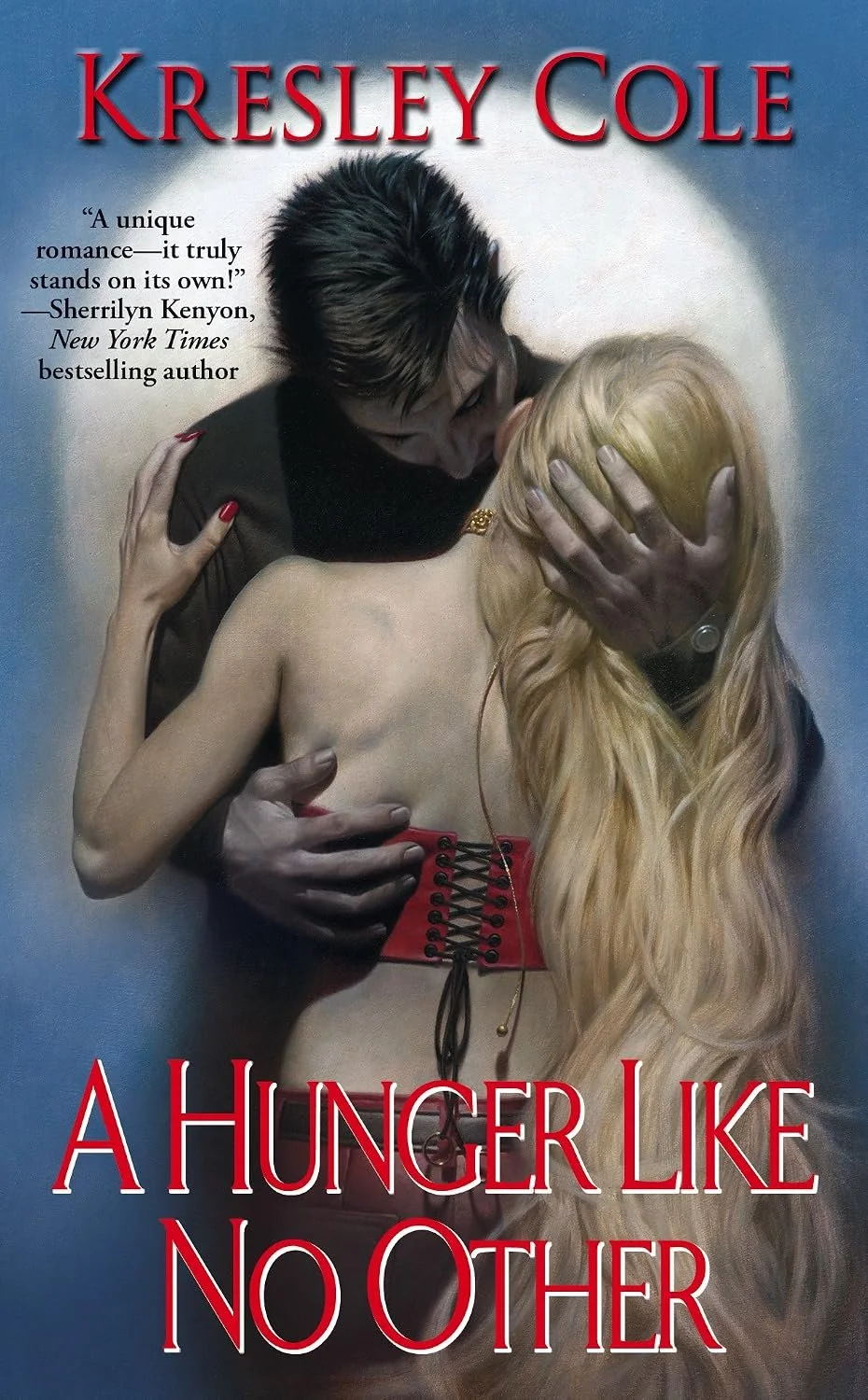
This is the old mass paperback cover that I got at Powell’s. The new cover just isn’t as potent as this one for me.
A few months ago, I told a friend who was complaining about her reading slump that a slump is not a bad thing; it meant that she was digesting what she had been reading. Because sometimes what we read is so robust (like a beef bourguignon) that we need some Alka-Seltzer, the slump, to digest such a meal. For me, that happened when I finished Layla Fae’s A Deal with the Devil, part of her Jaga trilogy, a book I’m still digesting!
However, not all slumps are digestive. Some have a flat texture, taste meh, and have an unmistakable aftertaste of boredom. You push through the book, you switch books to see if something sticks, and yet the slump persists. While some slumps have you stop reading altogether, others have you reading, but nothing hits the spot. There’s no coming; it’s all just perfunctory.
Right now, that’s where I have been since my trip to England. Sure, I’m still digesting all the places and stories I visited. Digesting the 70-meter-long Bayeux Tapestry is more than any Subway foot-long sandwich! I thought I was just suffering from post-vacation meh-ness (because from such a high, it takes a minute to readjust), but upon closer inspection, I found my current slump isn’t due to that.
It’s due to the drift away from my hunger, as I’ve fallen prey to the siren’s song of Shoulds.
The Should that got through
Should is my kryptonite.
A lifetime of being a good daughter will do that. Should is the secret word that activates the old programming better than any Manchurian Candidate. Just say the word and, bam, Good Daughter activated, doing what must be done, not what it wants to do. Letting go of the good daughter armor is a daily practice, because programming installed when one is barely verbal resists being dismantled, and its resistance is seductive. It takes vigilance.
But one book grabbed me through the fog of this slump: ironically, a book club pick, aka a “should” book, since if I wanted to fully participate in the discussion, I would have to read it. While I have DNF’d a few books from book club picks that I just couldn’t or didn’t care to read, this one’s cover and title had me intrigued: A Hunger Like No Other by Kresley Cole.
A book written 20 years ago, one of the books that shaped wolfshifter and vampire romance and an inspiration for authors like Ali Hazelwood (Bride, Mate), ended up being the one I found myself reading between appointments, doing the “just one more chapter” before bed, and not wanting it to end. I read it with Google as my reading companion, doing side quests to learn about the “Lore” of its world and whether side characters would get their own love story.
All this despite Lachlain, the main male character (MMC), being a tough nut to swallow with his “time capsule” ways of being a complete Neanderthal male, disrespecting the heroine’s space and freedom of choice, all the while stating the reason for his troglodyte ways was that she was “his mate.” In 2026’s terms, here was a walking PTSD case dressed in “alpha” MMC clothes, and yet the object of fantasy for so many readers of this series.
Much like Lachlain invaded the life of Emma, our female main character (FMC), he too usurped my slump. I may have both hated and loved his intransigent and possessive ways (what does this say about me?), but a part of me, perhaps one that as a good daughter couldn’t articulate, understood the hunger of this story: hunger for blood, for revenge, for unbridled pleasures, and for the certainty of one’s purpose, as one is certain of a fated mate.
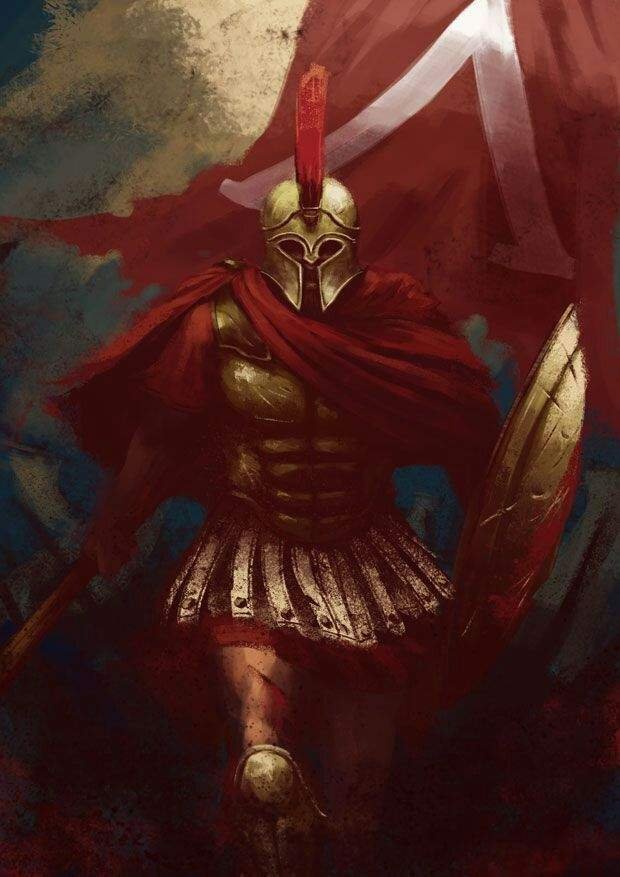
Mars on the attack.
Mars and wrestling with the alpha
What I realized I liked about this MMC and his troglodyte ways (possessiveness, disregard for consent, to name a few) was more than him hitting the primal fantasy nerve. It was his comfort with his instinctual needs, wants, and desires. I’ve learned from reading all of these monster romance novels that the thing I gravitate towards is the wildness within. It taps into something in me that resides in my inner three-year-old self, the toddler that wanted, who would unabashedly throw a fit, a tantrum, until all that was curtailed, sharply cut down by my parents’ disciplinary actions. (I’m from the generation where a well-timed slap in public was the lock’n’key to discipline.)
There’s a martian quality to this wildness of want and hunger that is visible if you observe toddlers.
Mars, our planetary archetype of how we get what we want, but also of our aggression, our competitiveness, and our ability to get it up (yes, you read that right), comes online in our toddler age. Mars needs to be channeled through practice and discipline, but when curtailed, it turns inward and can manifest itself as depression, as a slump. If it can’t get itself up, it goes flaccid, picking one apart from the inside. (Not all depression is Saturn’s weight. Some of it is Mars that never got out.)
It’s the hunger that goes malnourished or unfed, which is exactly what Emma, our FMC, is going through. As a hybrid vampire/Valkyrie, she needs to feed on blood, but she was raised on pre-packaged blood in plastic bags, never from the source. She’s severely malnourished and weakened. Add how she was raised to be a good girl, obedient and cloistered under a heavy dome of shoulds, and she has no concept of what she can actually accomplish.
As her story unfolds, we see that she’s also carrying her parents’ unresolved story, one she has yet to learn (something many of us carry for our families: the haunting of secrets and unlived lives of our parents and ancestors). So when she feeds straight from a wolfshifter’s vein (our MMC’s), well, let’s just say she taps into a voracious, desirous hunger she’s never known before, gaining a strength she’s never had.
I see this feeding from his blood as a potent image of feeding from one’s wild nature. I mean, he’s a wolfshifter, key part being wolf, thus animal, thus closer to instinct and the cycles of the moon. This taking of each other is how she, and by association the reader, digests early abandonment wounds: the abandonment of one’s wild nature as the price of belonging to one’s family, of receiving the love and protection needed.
Often we think of abandonment as parents leaving their children, but I feel the first abandonment is actually of one’s truer self, for the sake of belonging to the family unit. This is the gateway for the reign of Shoulds.
I believe, for many women, this may be the place where characters such as Lachlain, in all of their imperfections, hit the fantasy nerve. Here’s a character that wants what it wants, claims it, and isn’t ashamed of it. I suspect this is the appeal of morally gray and alpha MMCs: the male here serves as a vessel of projection and an intrapsychic torchbearer for what women want to express and yet struggle to.
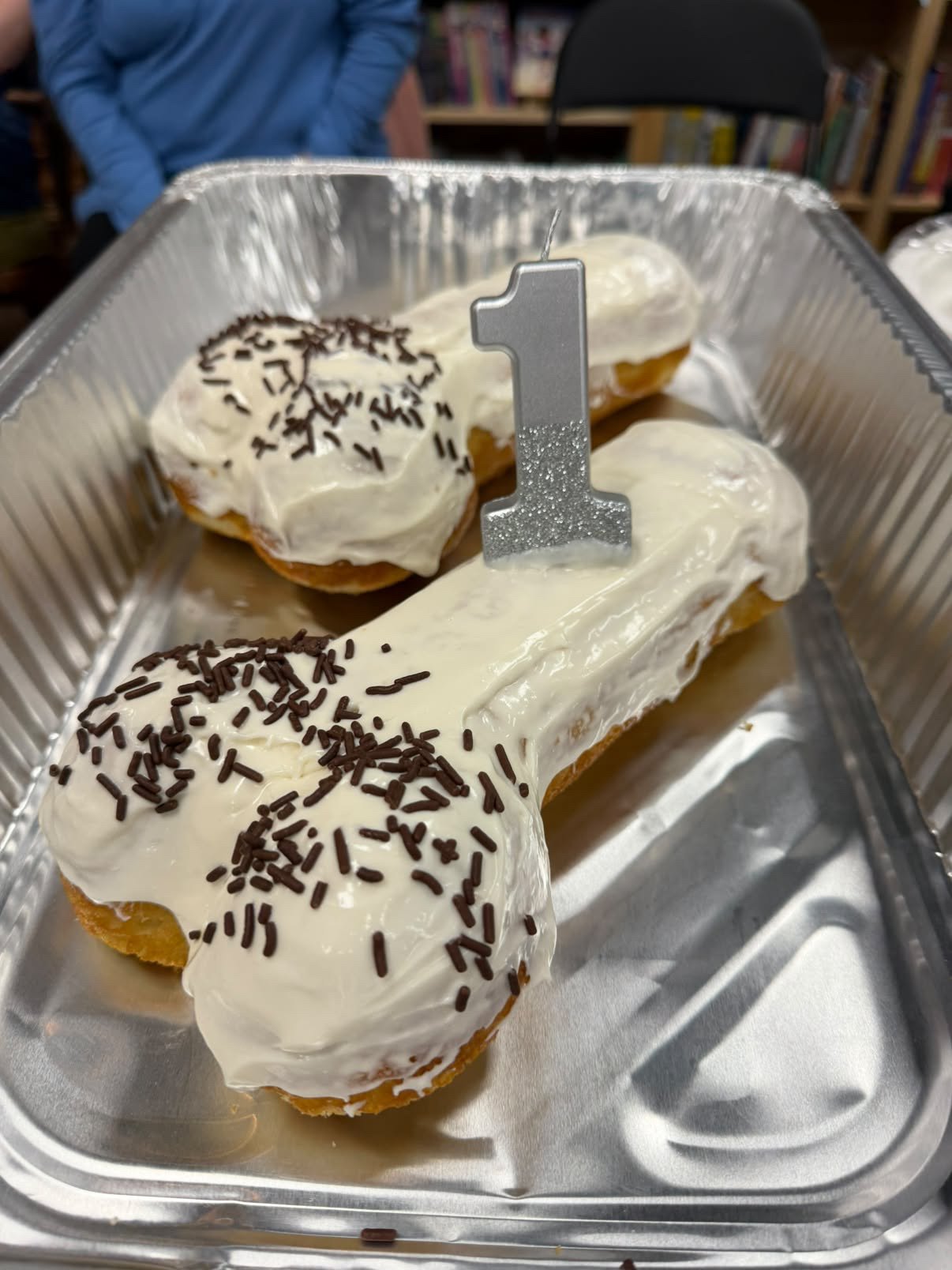
Two penis-shaped cakes to celebration the one year anniversary of our book club.
Dissected at the table
Our MMC, Lachlain, may have survived being imprisoned in the catacombs underneath Paris for 150 years by his mortal enemies, the vampire faction, but he surely didn’t survive my book club. This was the book to be discussed during our book club’s one-year anniversary. As we sat around our table filled with sweet treats, chips and salsa, and two (not one) penis-shaped cakes, it was Lachlain that was chopped into pieces.
It was also interesting to notice the generational difference in how this alpha MMC was met.
For the Gen Z and Millennials, he was anathema, considered by some as the worst of the MMCs we’ve read this year. But for the Gen X and younger Boomers, he was still a character worthy to be understood. Different generations, different needs and wants. I found it intriguing and something to explore another day, but it left me wondering about how portrayals of MMCs have shifted and will continue to do so, and how they will hit the collective fantasy nerve.
Seeing the passionate dislike of many in the group towards this character, their picking apart of the plot, sparing no compassion even for the FMC, tested my patience, because I felt the discussion was stuck in the plot, akin to judging the dream by daytime rules. For me, romance novels are, at a deeper layer, a collective dream, and the more they hit the nerve (and this is a beloved series that has been going on for 20-plus years, so it means these characters have archetypal energy), the more attention they deserve.
For me, the clue of this story’s power was in the title: A Hunger Like No Other.
What is this hunger?
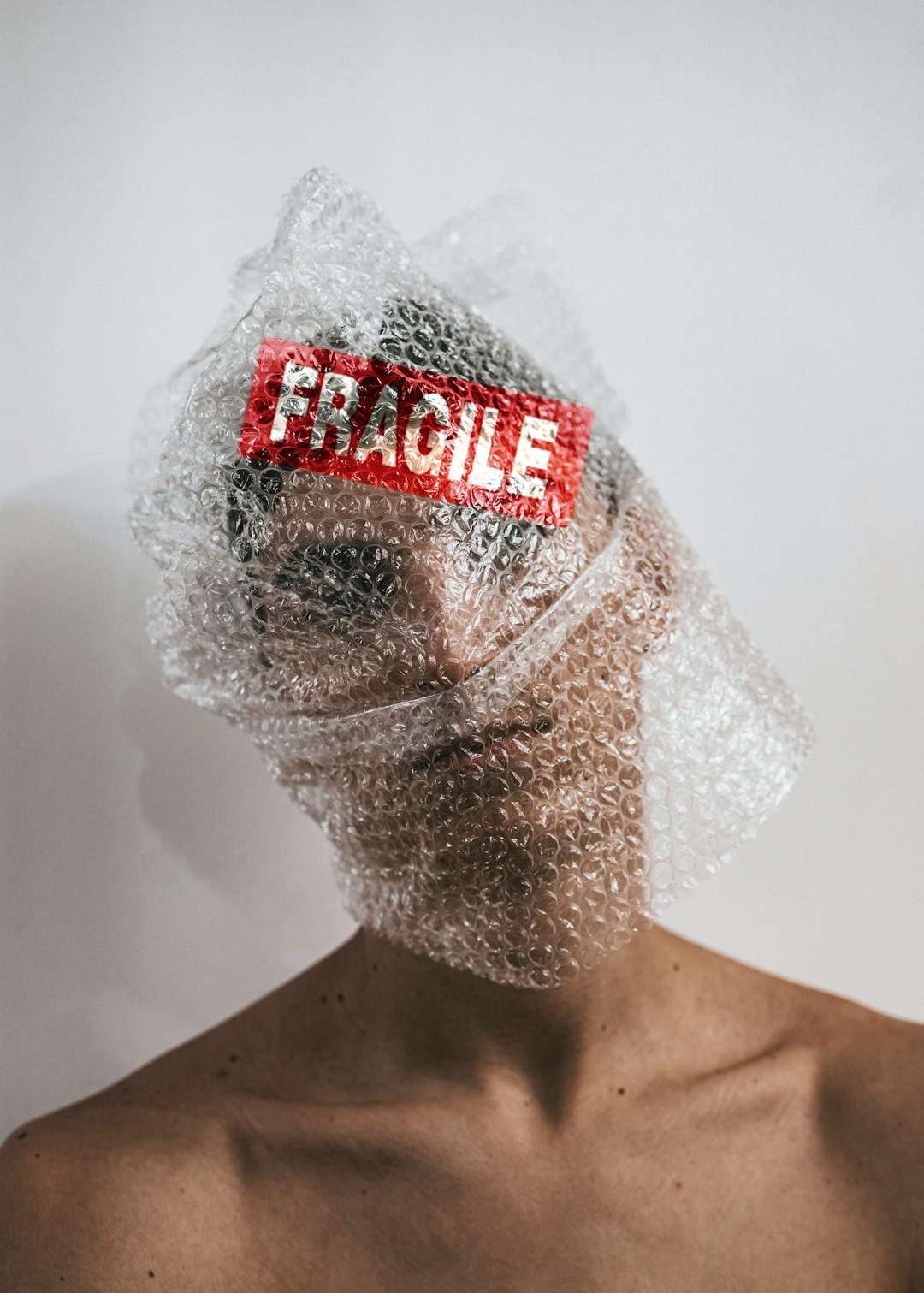
Smoothed and sharpened
When I started reading the book and feeling assailed by this MMC’s behaviors, I took a peek at when the book was published, and seeing that it was 20 years ago, I managed to settle and stay curious about the differences between the generations then and now.
What hit the archetypal fantasy nerve then isn’t necessarily what hits now.
But is that true?
If books of 20 years ago had more alpha-holes, now they’re dressed as shadow daddies in dark romance. We also bubble wrap our stories with trigger warnings (some of these are worse than what is actually in the story itself, and at times I wonder if the trigger warnings are overkill on precaution or also a marketing strategy to make something seem more than it is: sell the idea of unhinged danger, but deliver something more tame).
Trauma is trauma, and for a reader carrying an old wound, a warning can mean the difference between choosing to meet a story and being ambushed by it, which matters. And yet, I feel that we still treat our stories with puritanical control dressed up as protection, meant to help readers feel less anxious about what they’re about to encounter between the pages, but it’s still a sort of sanitizing. In times of global volatility, it’s understandable that we want control and protection to engage with the unknown in places we can control.
So we’ve both smoothed and sharpened our stories, especially the MMCs: we may bubble wrap things in trigger warnings, but have sharpened their fangs too. The two may even feed each other: once a book is labeled dangerous, it has permission to go darker. And a warning asks us to brace. Our bodies know the difference between bracing and digesting: one is fight or flight, the other is rest and digest. When we brace, we get through the scene instead of taking it in, and whatever the story was trying to feed us passes through undigested.
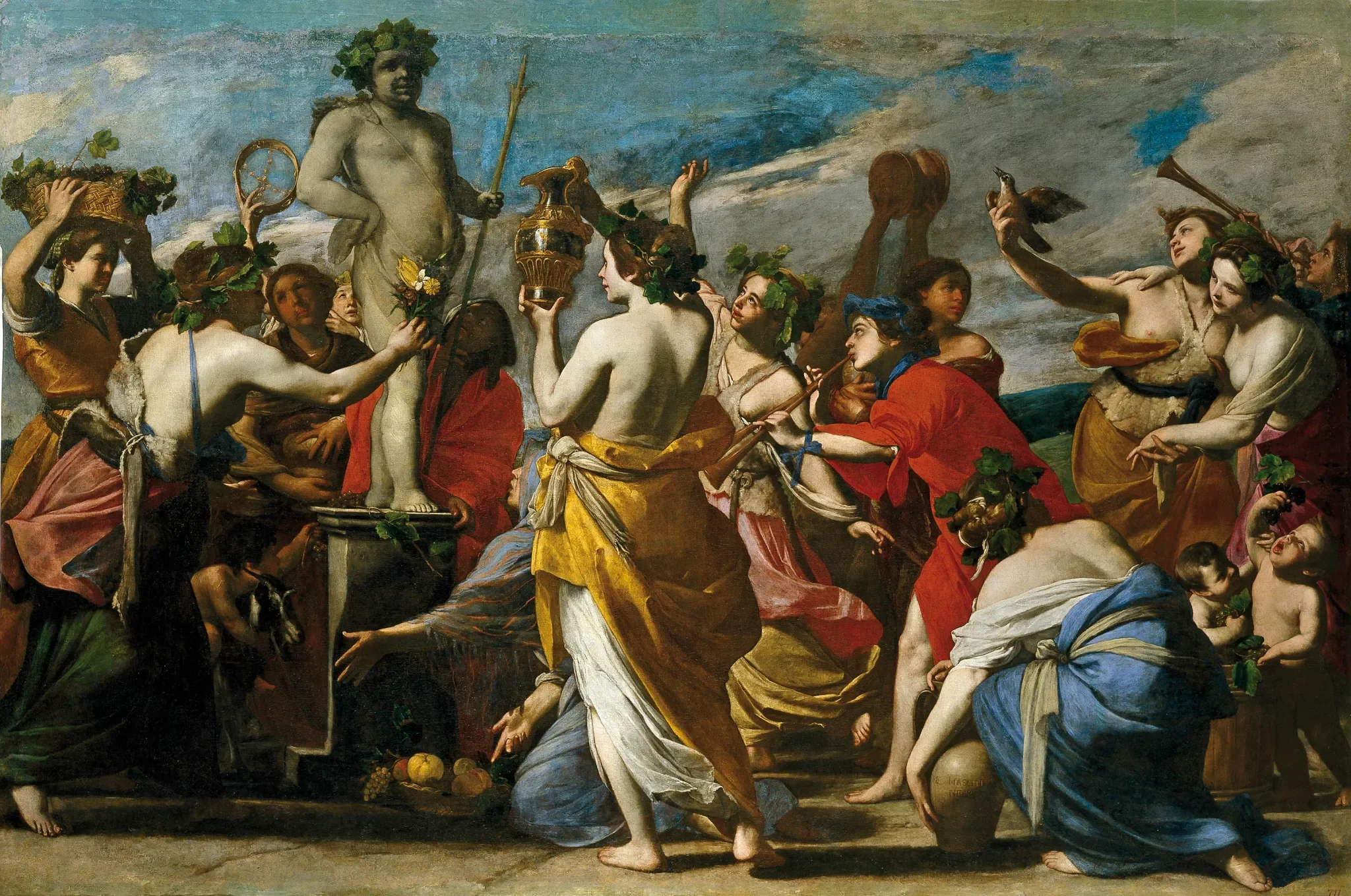
Sacrifice to Bacchus by Massimo Stanzione (1634)
My own leash
There’s a feral quality to Gen Xers (or so we’d like to think), but it’s one that came at the cost of adequate care and protection.
Feral isn’t the same as wild. A wolf is wild; a feral cat is a pet nobody came back for.
So I wonder if the fantasy of the unmitigated wild holds such pull for women of a certain age (peri- and menopausal, anyone?) because it’s a place where the wild, untamed self is accepted as is, instead of being let loose without proper protection, only to be slammed with an array of “shoulds” as the ticket to belonging.
We were latchkey kids, raised without trigger warnings, or any warnings at times, but we were expected to know the unspoken “should” rules, and the good daughter in me learned every one of them. We were raised to see men’s anger as assertiveness (and even as strong leadership!) and women’s as monstrous. No wonder our Mars is turned inward, expressing itself as fatigue, a laundry list of mehs, lack of passion, and the classic anxious depression.
So when we read characters like Lachlain in their alphaness and lack of respect for personal boundaries, we’re both disgusted and aroused. Disgusted because he’s a middle finger to all the shoulds we’ve had to swallow, and those swallowed shoulds do the judging, but also aroused because he is an expression of a hunger that is more wild than our polite, conscientious selves would like to admit.
It’s like we’re caught in the middle of Freud’s Civilization and Its Discontents, where he argues that the aggression we aren’t allowed to express turns back on ourselves. To me, it’s a classic tale of our skewed relationship with the principle of Mars: asserting one’s own hunger and desires, and disciplining them to fit in. There’s no fixing this; it’s just the human condition at play in this push and pull between the opposites.
Everyone’s holding their own leash to their monsters within.
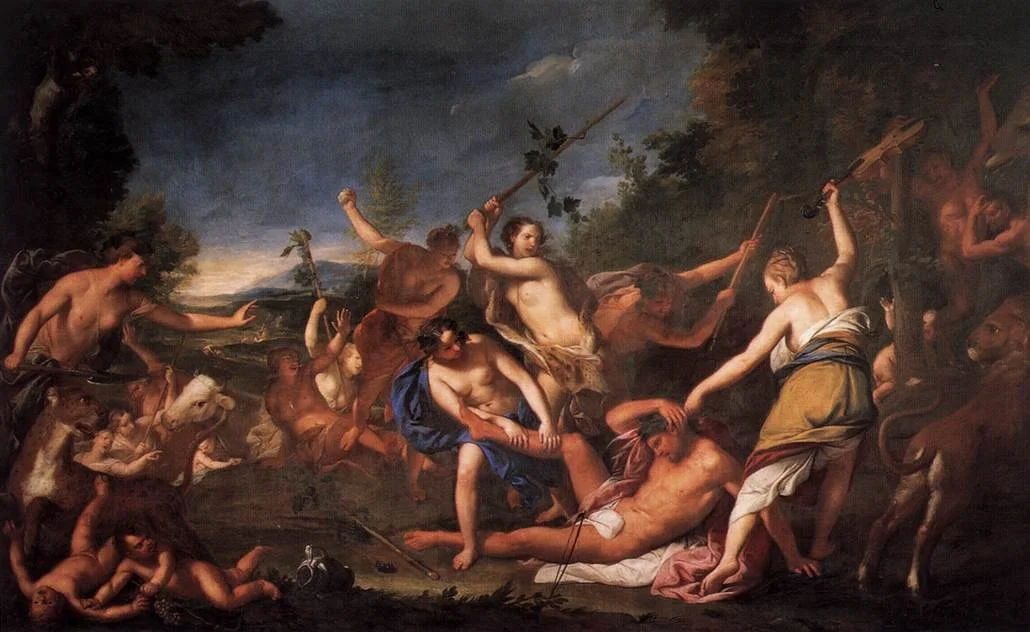
Orpheus and the Bacchantes by Gregorio Lazzarini (1710)
Whose hunger gets leashed?
One of my podcast guests, coming up in a January episode I’m excited to share with you, said something that hit the nail on the head for me: control the hunger and you control the woman.
Control the hunger, and you tame her into discipline. Some of the anger at our table was earned: anger at the men who have behaved just like him, and at what women were never allowed to be. And yet, I wonder if thrashing Lachlain at our table was also a way of leashing our own hunger: tear apart the male who wants without apology, and we never have to meet that wanting in ourselves.
Mars has two faces, after all: our aggression, and how we go after what we want.
That night, the aggression got its turn, and the wanting stayed on the leash. Once a room decides a character is the worst, it gets very hard to say “I couldn’t put him down,” let alone “I wanted him.” Yet that “both,” hating his edges and wanting his hunger, is exactly what digestion needs, and it’s the first thing a thrashing splits apart.
And this is where I’d love for more readers to see these books as more than plot points or even cultural snapshots: they are collective dreams that need to be metabolized. What I wanted, sitting at that table, was for us to stay curious about what the dream was showing us. Yes, some of these characters will raise our hackles, but if they’ve been around for a while, it means they’ve hit the collective nerve, and they won’t go away until we digest them.
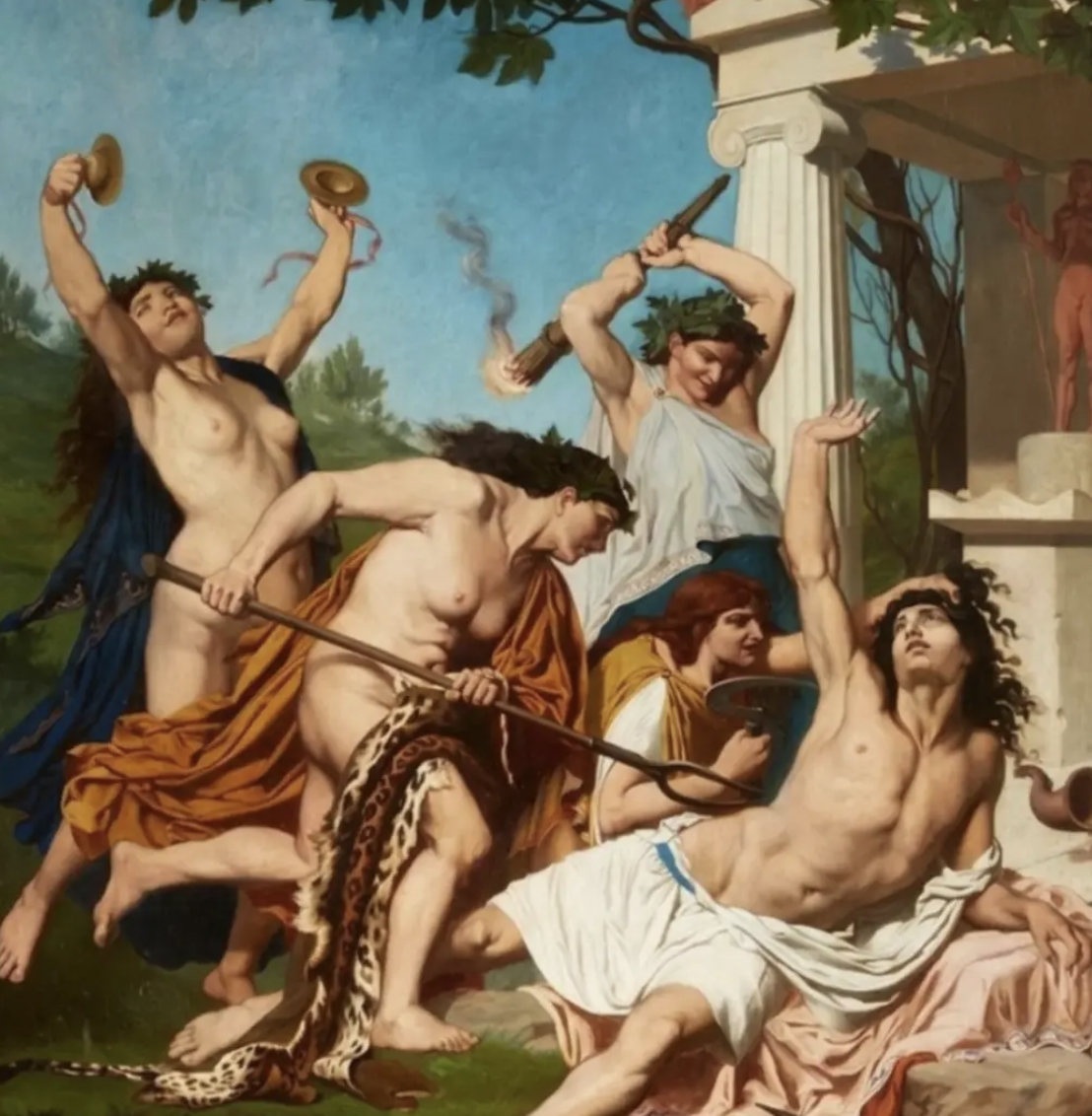
Maenads coming for Orpheus.
The hunger is the compass
I told the book club that the clue for this book was in the title, A Hunger Like No Other, but I feel it fell flat. I was going too psychological when what the room wanted was to pick apart. I met the Maenads and should have just let them thrash that invading male in their midst until he was torn apart. (Yes, there’s that should again.) Not the time to play a psychological tune. I’d cast myself as Orpheus; lucky for me, I kept my head.
The hunger was in the thrashing, and so was the leash. Neither was ready for digesting.
Or maybe we did digest him, just not in words. We cut those two penis cakes to pieces and ate them, laughing over who wanted the balls: a Maenad ritual with frosting. In the old rites, the Maenads didn’t only tear apart; they ate what they tore, and took it in.
And now you may be wondering where the slump went.
I see the slump as two-fold: one is the natural stage of digesting after reading intensively. I know that slump well. But the slump I’m going through now is a should leash, one that wants to veer me away from my hunger and tame it. It’s the slump that comes from drifting towards the siren’s call of the shoulds: should read this assigned book, read the ARC copies, read the hyped books making the news, read because I can’t seem to DNF them.
The should slump is a leash held by the good daughter, this old part of me resisting my hunger.
I liked this book, and I appreciate how wrestling with Lachlain in my mind has brought my attention back to what my hunger wants. And yet, I’m not going to read the next 21-plus books of this series as a should. I’ll take the medicine and let the rest go. Lachlain did his work on me, and I’m ready to move towards the other books that I’ve been pushing to the back of the line behind the should books. Like Emma, I’d been living on bagged blood. Time to feed from the source.
What hunger have you been keeping on a leash? And which should is holding that leash?