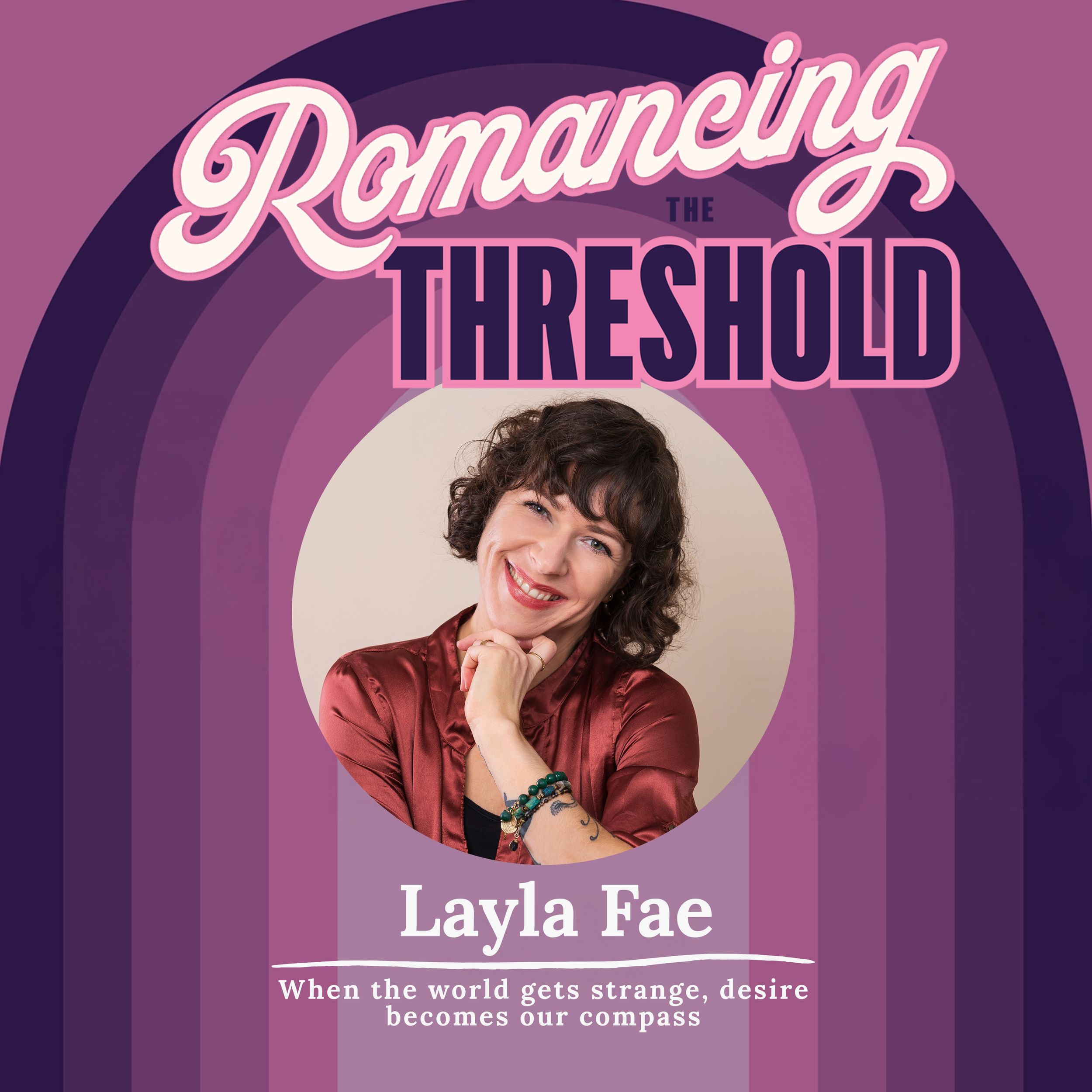
When the world gets strange, desire becomes our compass
A conversation with Layla Fae on AI, creativity, desire, and how stories help us navigate a world in transition.
When I think back on my cave year — that strange, suspended year where I read 131 books as if my life depended on it — seventeen of them belonged to Layla Fae. Seventeen. I devoured her worlds with the kind of hunger that feels liberating, igniting, and also embarrassing. Her imagination is wild in the best way, her creativity unrestrained, and her ability to make what seems fantastical — humans falling in love with monsters, demons, creatures of shadow — land with emotional precision is something I still don’t fully understand. Under all the spice and chaos and delight, her stories hit the psyche directly. They touch trauma, longing and the parts of us we’ve learned to hide. They do it without apology and without ever losing their sense of play.
When I made a list of possible guests for the podcast, she was my dream guest. Of course I wanted to talk to the woman whose stories had accompanied me through one of the most liminal years of my life. And when she said yes, I felt that familiar mix of excitement and anxiety that always comes when you’re about to cross a threshold you’ve been circling and wishing for a while, but are holy unsure of how it’s going to go.
When we recorded this episode, AI was already a complicated presence in the world, and in my own life (read my article on AI here.) I wasn’t naïve about it then, and I’m certainly not naïve about it now. The ethical concerns, the labor issues, the data extraction, the bias, the surveillance — none of that is, unfortunately, new. But what has sharpened in recent weeks, what has become harder to ignore, is the way AI is being folded into military contracts and darker applications that have nothing to do with helping someone plan their vacation or help write an email. There’s a violence to this moment, a sense that something powerful is being built without wisdom, without restraint, without care for the human cost. There’s no clean, or comfortable, way to navigate the contradiction of our times. Threshold times are uncomfortable because they slap us awake from our comfort snoozes.
So the episode begins there — with our personal experiences of AI, the unease and curiosity it stirs, and the recognition that we are living through a threshold moment we didn’t choose. But the conversation doesn’t stay in that terrain. It widens the way good conversations do. It becomes a space where we talk about Layla’s origin story with the monster in the movie Legend, the moment that imprinted something in her long before she had the language for it. We talk about her newest book, which is, in its own way, a love letter to technology — not the corporate machinery of it, but the possibility inside it, the longing for connection, the question of what it means to be seen by something not-quite-human.
We talk about what is expected of women, even now, even after everything we’ve gained. The pressure to be competent but not threatening, creative but not too ambitious, desirable but not desiring. We talk about desire as a compass — not a liability, not a distraction, but a form of intelligence that refuses to be domesticated. We talk about joy as a creative stance, about refusing burnout as a badge of honor, about choosing aliveness over martyrdom. And woven through all of it is the shared recognition that we are all crossing thresholds right now — personal, cultural, technological — and that how we meet those thresholds matters.
Listening back, as I worked on some sound editing, what stayed with me was how this conversation reminded me that we don’t navigate change by bracing for impact. We navigate it by staying curious, by staying connected to what lights us up, by letting our desires speak even when the world tells us to quiet down. That’s the heart of this episode. That’s the heart of this podcast.
Guest Bio:
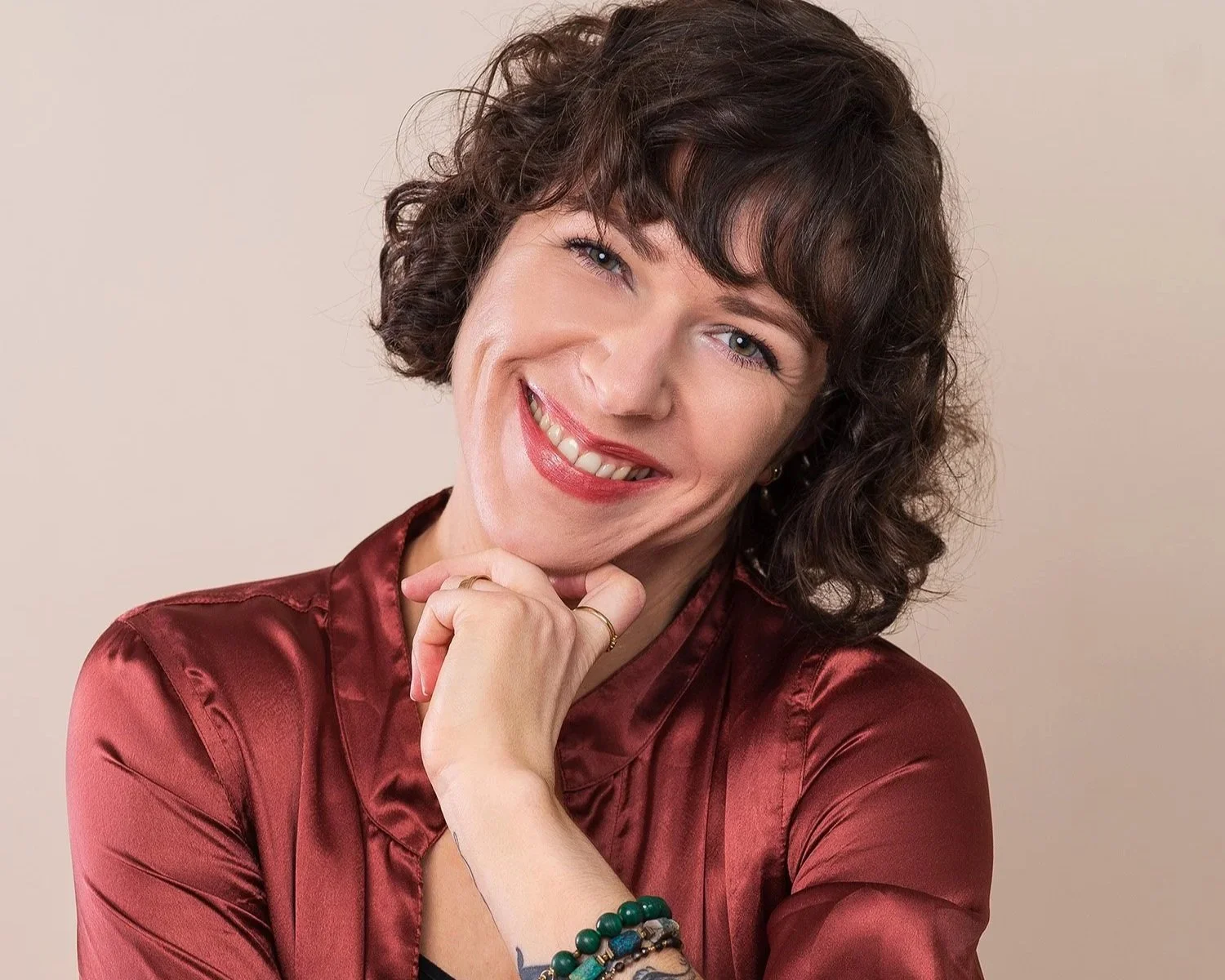
Layla Fae is a spicy romance author living and writing in Poland. She always enjoyed shocking people and channels that chaotic force into her writing. Vanilla in real life and quite unhinged when things get fictional. For more on her books, visit her website here.