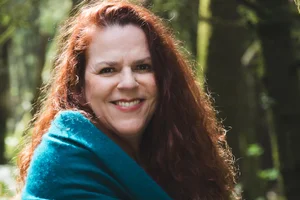
A data scientist and monster romance reader on what the genre is doing, why big publishers are buying indie authors, and what AI means for readers.
In the middle of the pandemic, before anyone knew there would be a vaccine, EJ decided to have a baby.
She calls it betting on the world.
Around the same time, back on Tumblr out of curiosity, she stumbled on a piece of fan art and stopped cold: a tiefling on a tundra? That was her door into Ruby Dixon’s Ice Planet Barbarians, then Finley Fenn, then everything. Pregnant, in a world gone strange, she found women in other worlds wrestling with the same questions she was. The books let her escape and face her demons at the same time. What they gave her, she says, was courage.
I hear her bet and the genre’s as the same bet. A happily ever after is a wager that the hard thing can turn, placed before anyone can prove it. Read enough of them and you’re rehearsing possibilities the world hasn’t caught up to yet. That’s why I call romance medicine.
Which is why the rest of our conversation has teeth. The future these stories rehearse is also a market, and the market has noticed. Big publishers are signing indie monster romance authors whose readers have already proven them, and EJ, who spent years inside corporate giants, has a story from the beer aisle that makes the pattern hard to unsee. Meanwhile Amazon, where so much indie romance lives, has more to gain from AI than from books, and the flood of machine-made titles keeps rising.
So who tends the bet now? EJ’s answer is plain, and she admits it isn’t the tidy one: each other. Book clubs, reviewers, authors pointing to other authors, a reader putting the right book in someone’s hands.
Here’s my question for you: what book did someone put in your hands that you’d never have found on your own?
Guest Bio:
EJ writes Monster Romance Reviews, a Substack on market trends, cultural analysis, and author spotlights in monster romance. A data scientist with a master’s in library and information science, she spent a decade doing market analysis for Fortune 500 companies before, as she puts it, “falling irreversibly for fictional creatures.” Now she tracks bestseller trends, traces monster lore to its roots, and argues that the genre deserves rigorous criticism and wholehearted enjoyment at once.