The Mafioso at the Threshold
Why Your Resistance Is More Brilliant Than You Think

There’s a moment in every threshold where we can simply say no. The call to change arrives—through crisis or opportunity, loss or unexpected opening—and we can refuse it. Sometimes that refusal brings such sweet relief. “I don’t have to deal with this today.” “Maybe things aren’t that bad.” “I can make this work a little longer.”
But here’s what we underestimate: Resistance is a brilliant negotiator. It studied at the university of You. It knows your every vulnerability, your highest values, your deepest fears. It speaks fluent “reasonable” and can make staying stuck sound like the wisest choice you’ve ever made.
This internal mafioso knows where all the bodies are buried—all your weak spots, your secret shames, your buried dreams. It knows that other time you tried to change and failed. It knows your mother’s voice saying “be grateful for what you have.” It knows your bank balance, your health concerns, your secret fear that you’re too old/young/broken/unqualified for transformation.
The Architecture of Resistance
What makes resistance so formidable isn’t its power—it’s its intimacy. It doesn’t attack from outside; it whispers from within, using your own voice, your own logic, your own fears. It dresses up as responsibility: “Responsible people don’t blow up their lives.” It masquerades as patience: “The timing isn’t right.” It weaponizes your own values—”Selfish people pursue their dreams while others suffer,” it says. “Good folks don’t abandon their commitments.”
And the thing about thresholds? They don’t care if they’re “positive” or “negative.” That dream job, the relationship that’s actually working, the success you’ve earned—these can trigger resistance just as fiercely as any crisis. Because thresholds dissolve identity. All thresholds. Even the ones we choose.
When good things make us wobble, resistance gets even more creative. It whispers about imposter syndrome, about not deserving joy, about the other shoe that’s surely about to drop. When dreams start coming true, when desires materialize, that’s when the real terror begins. Because now we have something to lose. Now failure has teeth.
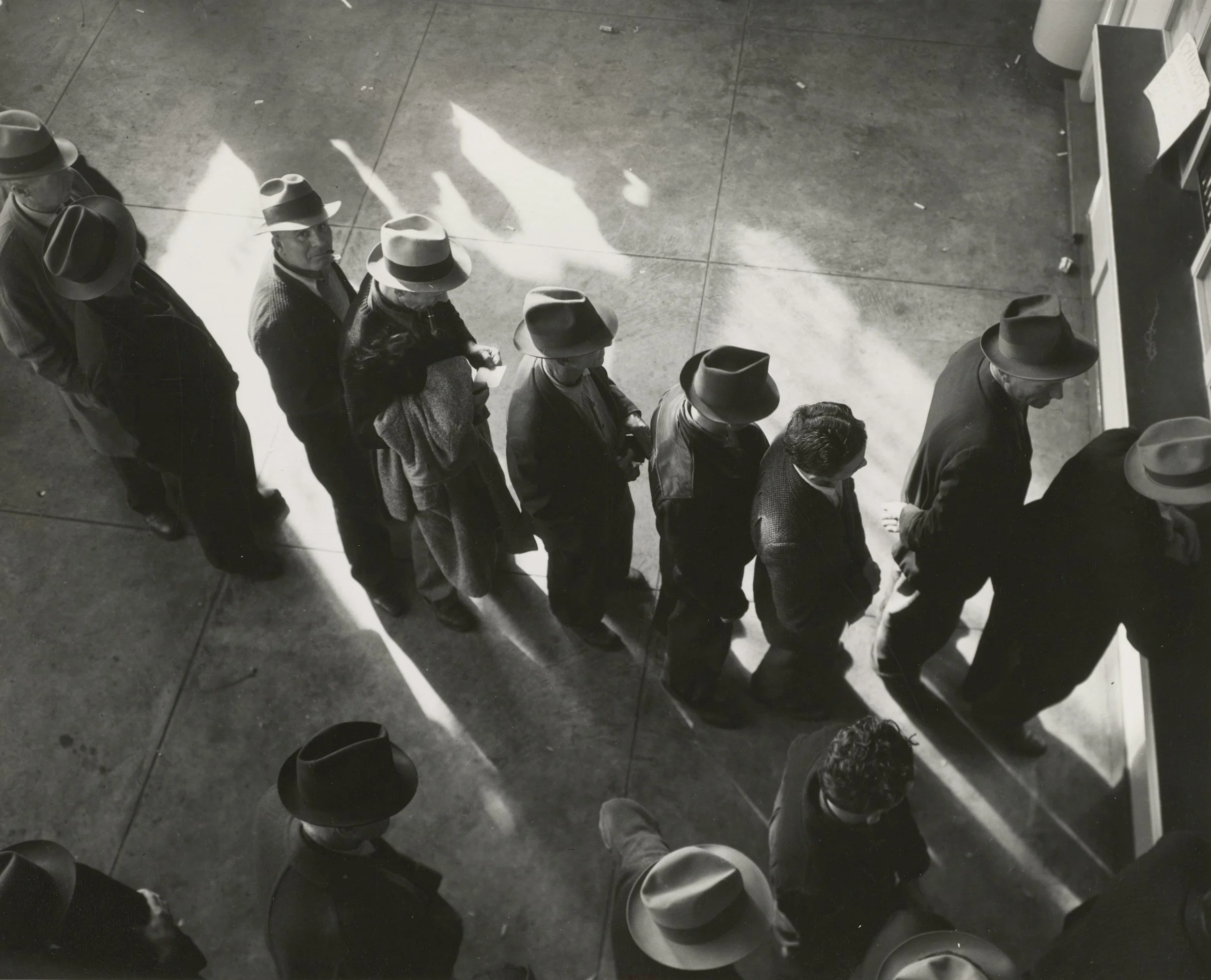
When Parts of You Lose Their Jobs
Here’s what we forget when we decide to change: certain parts of ourselves will lose their jobs. That inner critic who kept you safe by keeping you small? Suddenly unemployed. The part that bonded with others through complaint and struggle? Pink-slipped. The identity built on “I’m someone who dreams but never does”? Dissolved.
No wonder you’re exhausted. No wonder you’re self-sabotaging. Parts of you are on strike, terrified of being downsized. They’re not evil—they’re scared. They’ve been running the show for years and now you’re changing the entire organizational structure.
Your body joins this internal resistance, becoming its most eloquent spokesperson. That mysterious fatigue, those opportunistic colds, the anxiety spikes that make change feel physically impossible—these aren’t obstacles. They’re the somatic reality of identity reorganizing itself. Your brain might want to fly straight to the transformed version of you. But your body? Your body might need a wagon. It knows that real change requires rooting down, finding new rhythm, letting the nervous system catch up to the choices your mind already made.
The Cost of Refusing the Call
The exhausting truth? It takes more energy to refuse transformation than to surrender to it. Every day you stay becomes a little harder. What started as a whisper—”This isn’t working”—becomes a roar you need increasingly complex strategies to silence. The universe has a way of turning up the volume on what you’re ignoring—through your body, your relationships, your 3am thoughts.
This is the threshold nesting doll no one talks about: Before you can cross the actual threshold of change, you have to cross the threshold of your own resistance. And in our current moment—when the whole world feels like a threshold, every system wobbling, every certainty negotiable—our internal mafioso doubles down. It uses the collective instability against our personal need for change. “This isn’t the time for big moves,” it says, gesturing at the chaos. “Wait until things settle down.”
Things haven’t settled in years.
The Wisdom in the Resistance
But here’s the paradox: Your resistance is working overtime because it senses the truth—the old life is already over. You’re just negotiating the terms of surrender. In threshold times like these, staying stuck costs more than changing. The energy required to maintain a life that no longer fits—while the world shapeshifts around you—is astronomical.
Sometimes the bravest thing isn’t pushing through resistance. It’s getting curious about why it’s working so hard to save you from your own life. What if instead of firing these resistant parts, they need promotions? What if your inner critic could become your inner editor? Your chronic worrier could become your strategic planner? But that reorganization takes time. And often, it takes a guide.
Why This Work Matters Now
I do this work because I’ve been in my own negotiations with that internal mafioso. I know the exhaustion of maintaining what’s already gone. And I’ve learned that we need guides who understand not just where we’re going, but why we’re not going—who can sit with us in that first threshold chamber where resistance holds court.
Real thresholds don’t resolve with vision boards or morning routines. They require staying present to the dissolution, honoring what your body’s trying to tell you, discovering what emerges from that rich darkness when you stop rushing the process. They need accompaniment through the territory where being lost is the beginning of finding what’s true.
If you’re in this peculiar purgatory—knowing something needs to change but finding yourself frozen, negotiating daily with your own resistance, spending more energy on maintaining than you would on transforming—you’re not weak. You’re human. And you’re actually already in the threshold, just stuck in its first chamber.
The call doesn’t go away. It just gets more expensive to refuse.

Threshold Crossing Guidance
Two 60-minute sessions per month where we map what resistance is protecting, what it costs to maintain, and how to negotiate safe passage past your own internal mafioso. Not to overcome your resistance through force, but to understand what it’s protecting, honor what it’s served, and find the terms that let you both move forward.