
The Key-Bearer
The one who carries the key to your own knowing.
This page is your full result.
Bookmark it or save the link to return to it anytime.
A threshold is more than a doorway.
It's what opens when a life changes, and the whole landscape that follows: that in-between stretch where the old life has ended and the new one
hasn't yet taken shape. Myth has long told of threshold guardians,
the ones who test whether you may pass.
The Threshold Lover is a different figure entirely:
not there to test your crossing, but to accompany it, and to teach you to meet what's changing the way lovers meet each other, with curiosity, presence, and care.
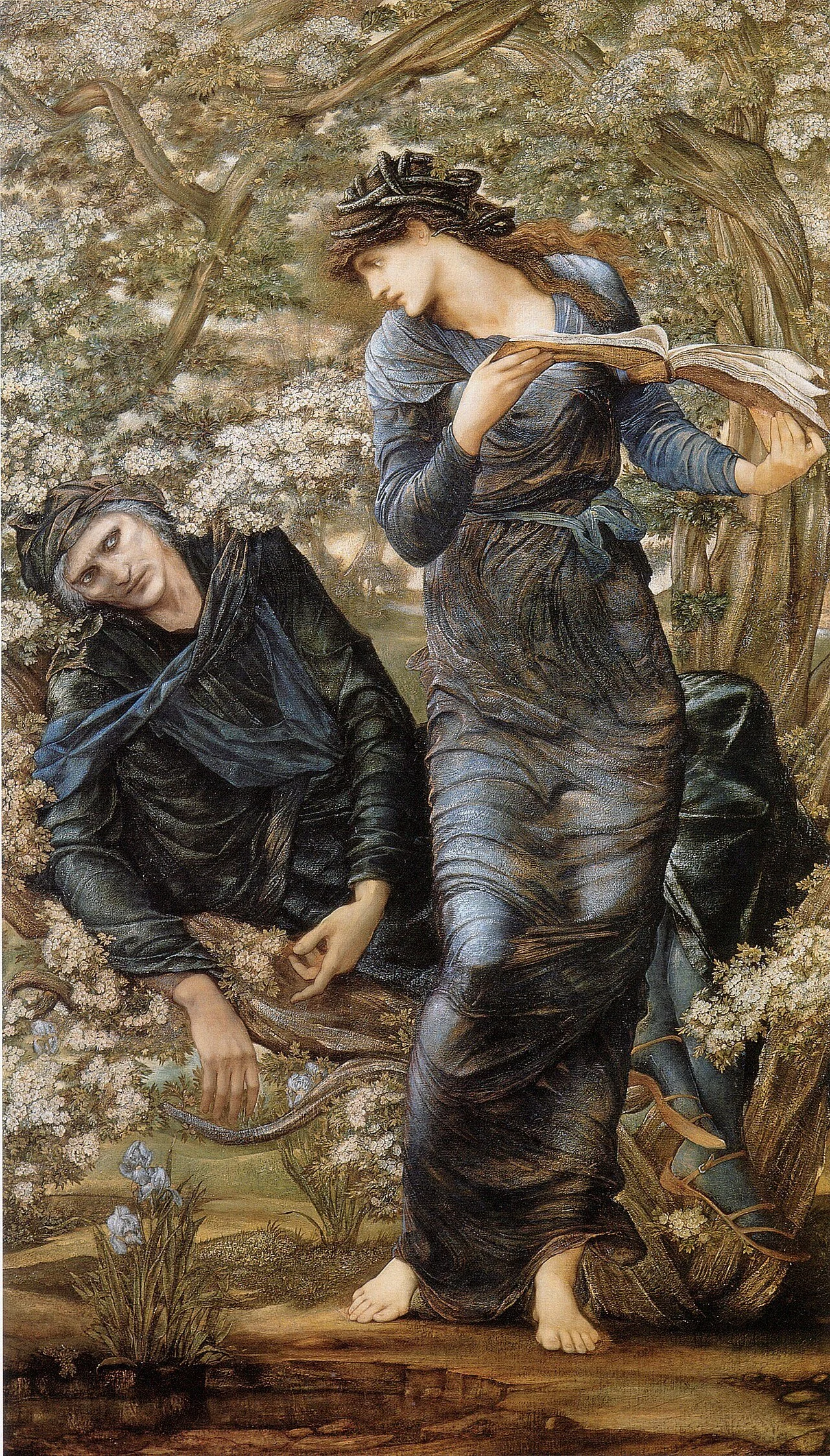
The Threshold You're Standing In
You like doing things your own way. Independence isn't a pose for you; it's how you move through the world, and it works.
But here's something true of thresholds that nobody tells you until you're standing in one: they don't respond to the old toolkit.
A real crossing, by its nature, asks for new ways of seeing, and the approaches that have served you well belong to the life on the other side of this door.
You've tried them here, probably more than once.
The lock isn't turning.
And now someone, or something, has appeared holding what looks unmistakably like a key: a mentor, a teacher, a guide, a body of knowledge, a way through that isn't yours.
You can feel the pull toward it.
You can also feel the bristle right beside the pull: I've always found my own way.
Why would I need theirs?
Both feelings are loud, and neither will leave.
This is the threshold that calls for the Key-Bearer.
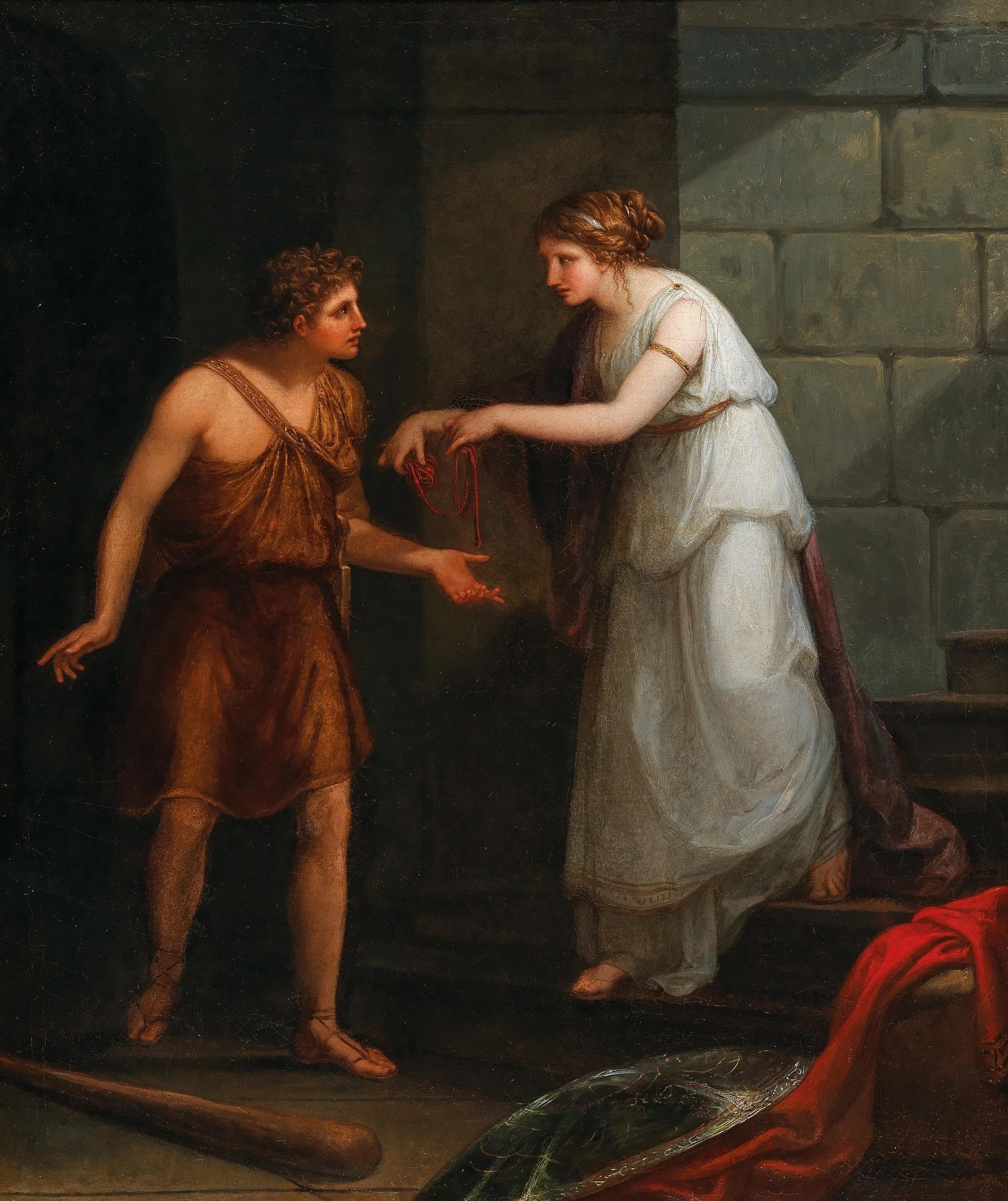
Meet the Key-Bearer
The Key-Bearer holds the thing you need to move forward, and they know exactly what it means to give it.
Their gift is never casual: it comes wrapped in guidance, and in the harder offerings too. They'll name your resistance when they see it.
They'll point out the old fears you've been calling your standards.
They understand that timing is everything, and they'll wait until you're ready to receive, though they'll also push and prod when your waiting has quietly become hiding.
But here's what sets a true Key-Bearer apart from anyone who's ever tried to hand you their formula: they aren't imposing their way on you.
Do it like this, because this is how it's done, is not their language. They have a method, yes, but it's a method for helping you find your method, a way of guiding you toward your own way of crossing.
Because the key was never to their knowing.
It's to yours.
Somewhere along the line, through upbringing, through life, through everything that teaches us to do things the way they've always been done, your other ways of seeing got locked away and the key got tossed.
The Key-Bearer, somehow, has it. And when they place it in your hand, what opens isn't a shortcut or a borrowed answer.
It's a room in you that's been sealed for years: abilities you haven't met yet, a way of seeing this crossing that the old thinking couldn't reach.
Their allure is exactly that: they look at you and see more rooms than you've been living in.
There's a particular intimacy in being accompanied to your own locked door by someone who never doubted there was something worth opening behind it.
Why This One, Why Now
Here's what the pull toward this lover is telling you, and it may land sideways at first: for someone who has always found their own way, letting yourself be guided isn't a detail of this crossing. It is the crossing.
The threshold in front of you is only partly about the thing you're trying to unlock. Underneath, it's asking whether you can receive, whether you can let another's guidance reach you before you've independently verified every step, and that's the one move your road so far has never required of you.
And there's a twist in the words themselves that's worth catching. "I do things my own way" sounds like independence, but at a threshold, my own way usually means my old way: the familiar toolkit, run again, on a door it wasn't cut for.
The new knowing, the way of seeing this crossing actually calls for, is also yours, more deeply yours than the habits are. It's just locked.
So refusing the Key-Bearer in the name of independence protects the habit, not the self. The real independence is on the other side of the receiving.
One thing to be aware of in this courtship: the bristle has a convincing voice, and it likes to call itself sovereignty. I know what I'm doing; I've always done it this way.
But real sovereignty can be guided without dissolving.
It can say yes to a teacher and remain fully itself, because what's being unlocked was its own all along. The bristle, left in charge, refuses the key, calls the refusal independence, and the room stays sealed on principle.
Don't let the pride of the road you've walked cost you the rooms you haven't opened.
Romancing This Threshold
Ask to be shown.
Find one person who knows something you don't and ask, in so many words: "Would you show me how you do this?" Then take it in whole, without editing or mentally improving it as they go.
Here's why this small thing matters at this threshold: the knowing that's locked in you can't be opened by the same thinking that sealed it. Something has to come from outside, and letting another's way of seeing actually reach you is the turn of the key. Afterward, notice what it stirred: not what you learned about their method, but what it loosened in yours.
Borrow an approach that isn't yours.
Pick one small task this week and do it entirely by someone else's way, one you'd never have chosen: a practice from an unfamiliar tradition, a structure from a discipline that isn't your own.
The point isn't that their way is better. A foreign approach jostles the sealed room; new seeing tends to slip in through doors the old habits never use.
When something in you protests "but that's not how I do it," you've found the lock. Keep going a little past the protest, and see what's behind it.
Keep a ledger of glimpses.
For a couple of weeks, write down each moment a new way of seeing arrives on its own: the idea in the shower, the sideways thought you'd normally wave off because it isn't how you do things.
Don't act on them yet; just record them.
These glimpses are the sealed room leaking light around the doorframe, evidence that what the Key-Bearer unlocks was never gone, only waiting. The ledger is you learning to recognize your own new knowing when it shows up.
Stories for the Crossing
While you're in this crossing, keep company with stories where someone learns to receive.
An unlikely mentor, a gift that comes with a cost, a character who has done everything alone and finally, awkwardly, lets someone show them another way.
On the page or the screen, notice your own resistance when they resist, and notice what opens when they stop.
These stories rehearse the exact trust your threshold is asking of you, at a safe distance and with better lighting.