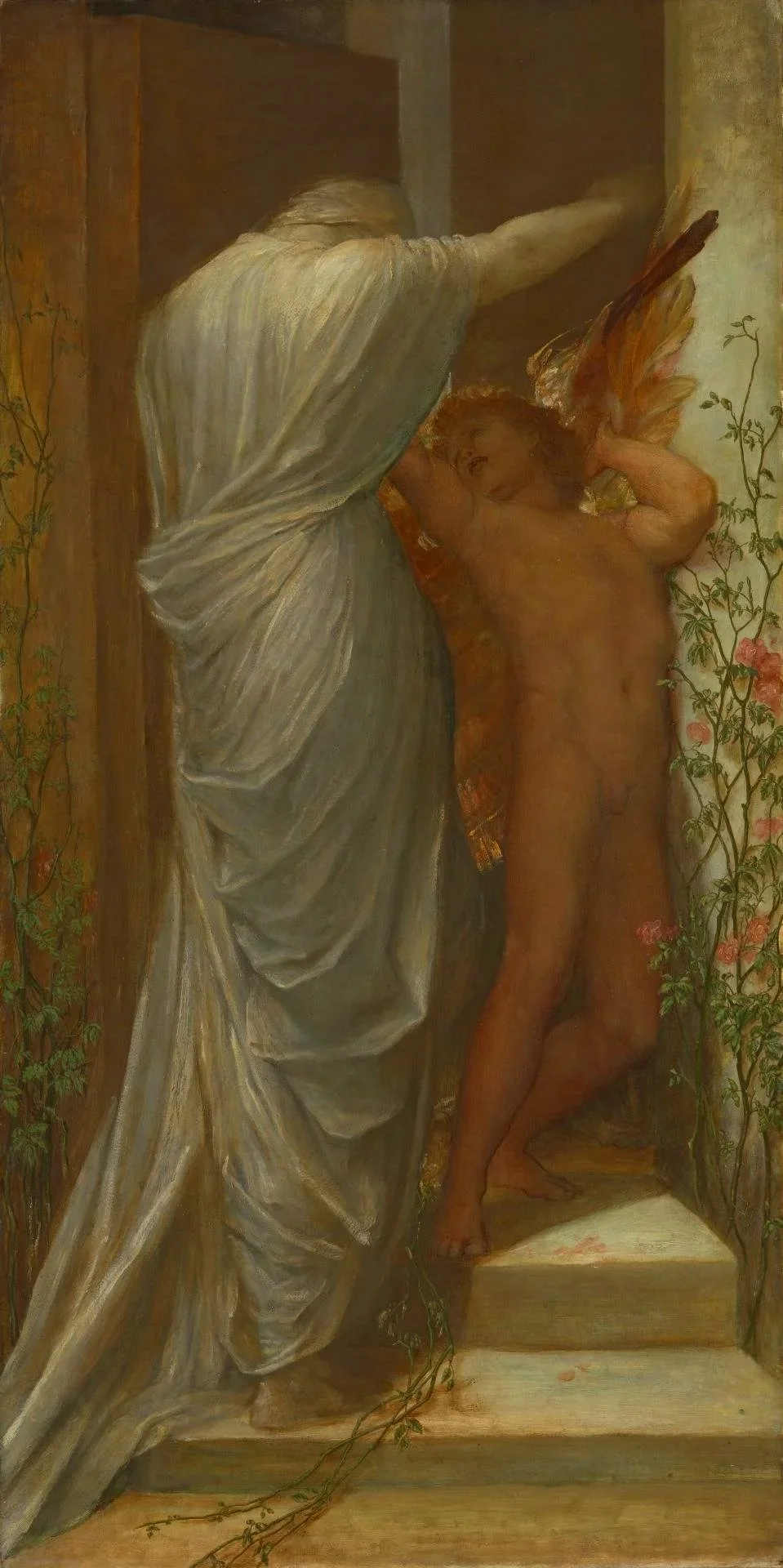
The Guardian of the Gate
The friction that readies you.
This page is your full result.
Bookmark it or save the link to return to it anytime.
A threshold is more than a doorway.
It's what opens when a life changes, and the whole landscape that follows: that in-between stretch where the old life has ended and the new one
hasn't yet taken shape. Myth has long told of threshold guardians,
the ones who test whether you may pass.
The Threshold Lover is a different figure entirely:
not there to test your crossing, but to accompany it, and to teach you to meet what's changing the way lovers meet each other, with curiosity, presence, and care.
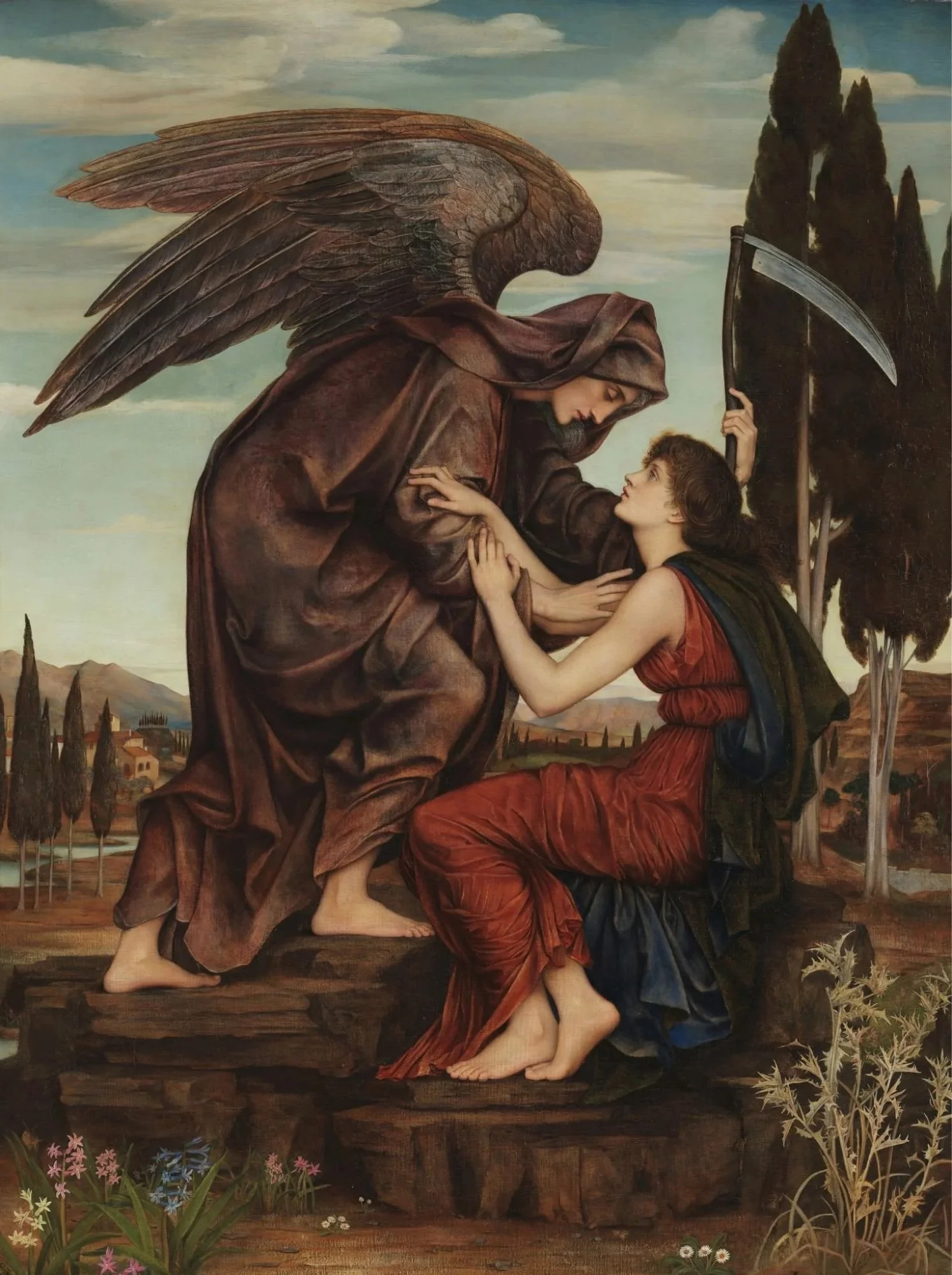
The Threshold You're Standing In
Something is asking you to step up.
A door has opened, or is opening: the project with your name on it, the role you could hold, the work of yours that's ready to be taken seriously, and the first person who needs to take it seriously is you.
And you can feel the ability is there. That's not the problem.
The problem is what happens every time you approach the door: out comes the "yes, but."
Yes, but the timing.
Yes, but I should get one more credential first.
Yes, but who am I to.
The objections sound reasonable, each one, and somehow there's always a fresh one waiting behind the last.
Here's the uncomfortable part: nobody is actually blocking the door.
The hesitation isn't coming from the gatekeepers out there.
It's your own resistance, dressed up in sensible clothes, negotiating you down from something you're more ready for than you're willing to admit.
This is the threshold that calls for the Guardian of the Gate.
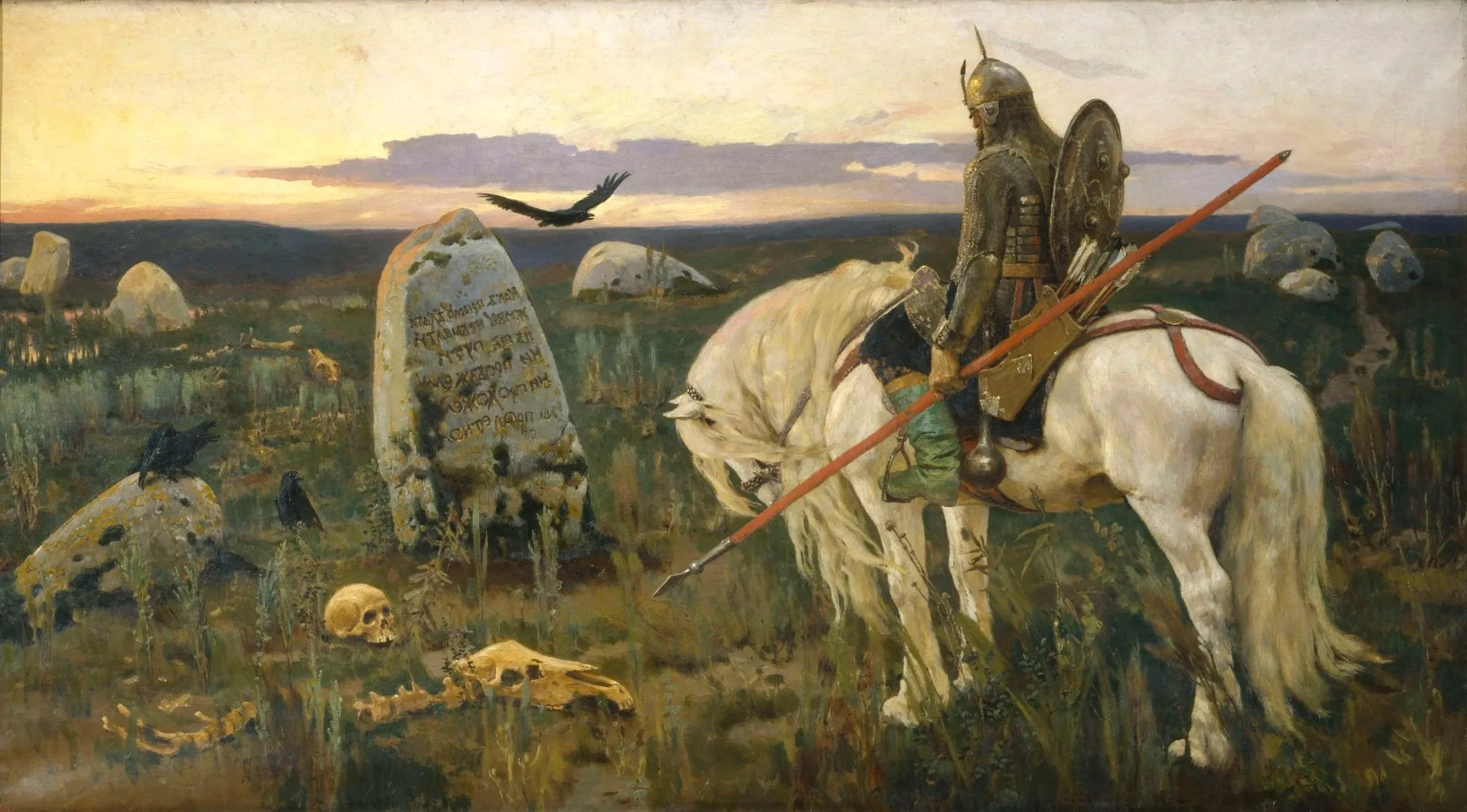
Meet the Guardian of the Gate
The Guardian of the Gate stands between you and the next chapter, holding your hands, not to stop you, but to make sure you're ready.
They challenge you. They test you.
They'll question your certainties and try your patience, and every bit of it is wrapped in protection, because what they're protecting is your potential: they see exactly what you're capable of, and they refuse to watch you shrink from it.
Being seen that clearly is uncomfortable.
It's also electric, and that's the friction you feel around them: maddening and magnetic at once, because someone is finally taking your ability more seriously than you do.
With them, the threshold becomes a proving ground where every step is earned, and here's what makes them trustworthy rather than domineering: they don't take ownership of your victories.
When you rise, the rising is yours.
And they will step aside the moment you truly choose to walk through, because the gate was never theirs.
That's the secret worth saying plainly: the gate the Guardian guards is your own.
They're standing at the door of your unclaimed ability, keeping watch over it, until you're ready to hold it yourself.

Why This One, Why Now
Here's what the pull toward this lover is telling you: the friction you find yourself craving, the person who won't flatter you, who calls the bluff, who asks when you're going to take yourself seriously, is the exact pressure your crossing needs. And there's a reason their testing works where your own pep talks haven't.
Resistance thrives in open space.
Out in ordinary life, the "yes, but" always has an exit: postpone, prepare more, wait for better conditions, and the question of what you're capable of stays abstract, arguable forever.
A real test seals the exits.
It's a container, the alchemist's vessel: a defined task, a standard, a witness, edges the resistance can't slip past.
Inside that vessel, the hesitation has nowhere to go but into the heat, where it gets cooked down and cleared. And the vessel protects as much as it presses: within the Guardian's container, a stumble is held, not broadcast, which is exactly what makes the risk bearable at all.
Each test met this way deposits something no reassurance ever could: evidence.
Your inner negotiator can argue with any compliment.
It cannot argue with a thing already done.
Step by earned step, the proving ground replaces the debate with a record, and readiness stops being a certificate you're waiting for someone to issue.
One thing to be aware of in this courtship: the Guardian's challenge is so clarifying that you can come to depend on it, always needing someone to push against, or someone's approval to move, or one more test before it counts.
But their whole aim is a handover.
The standard they hold is meant to become yours, carried from the inside, and their stepping aside isn't abandonment.
It's the changing of the guard: the watch passes to you, because it was always yours to take up.

Romancing This Threshold
Put the "yes, but" on paper.
Every objection between you and the step, written out in one sitting. Then sort them honestly into two piles: the ones with a concrete next action, which are logistics, and the ones that just restate themselves in new words.
Handle one from the first pile this week.
Across the second pile, write the word "resistance," because that's what it is, and resistance loses most of its authority the moment it's called by name instead of treated as a to-do list.
Claim it out loud, once, in a small room.
Say the sentence you keep routing around, "I'm a writer," "I run this," "this is my work," to one person, without softening it into an apology or a joke. Notice what your body does.
You're not announcing to the world; you're rehearsing ownership at a size you can repeat.
Set one earned step with a witness.
Choose a single concrete move toward the door, give it a date, and tell someone who takes your ability seriously.
Not for accountability theater, but because a step witnessed is a vessel in miniature: it has edges, and edges are what keep the step from being quietly renegotiated.
Stories for the Crossing
While you're in this crossing, keep company with stories where love refuses to flatter.
The ones where someone is challenged into their own strength by a person who sees exactly what they're capable of and won't pretend otherwise, where the friction is electric because it's honest, and nobody gets rescued from their own becoming.
On the page or the screen, watch what happens in you when a character finally rises to meet the standard. That flare of recognition is yours to keep.