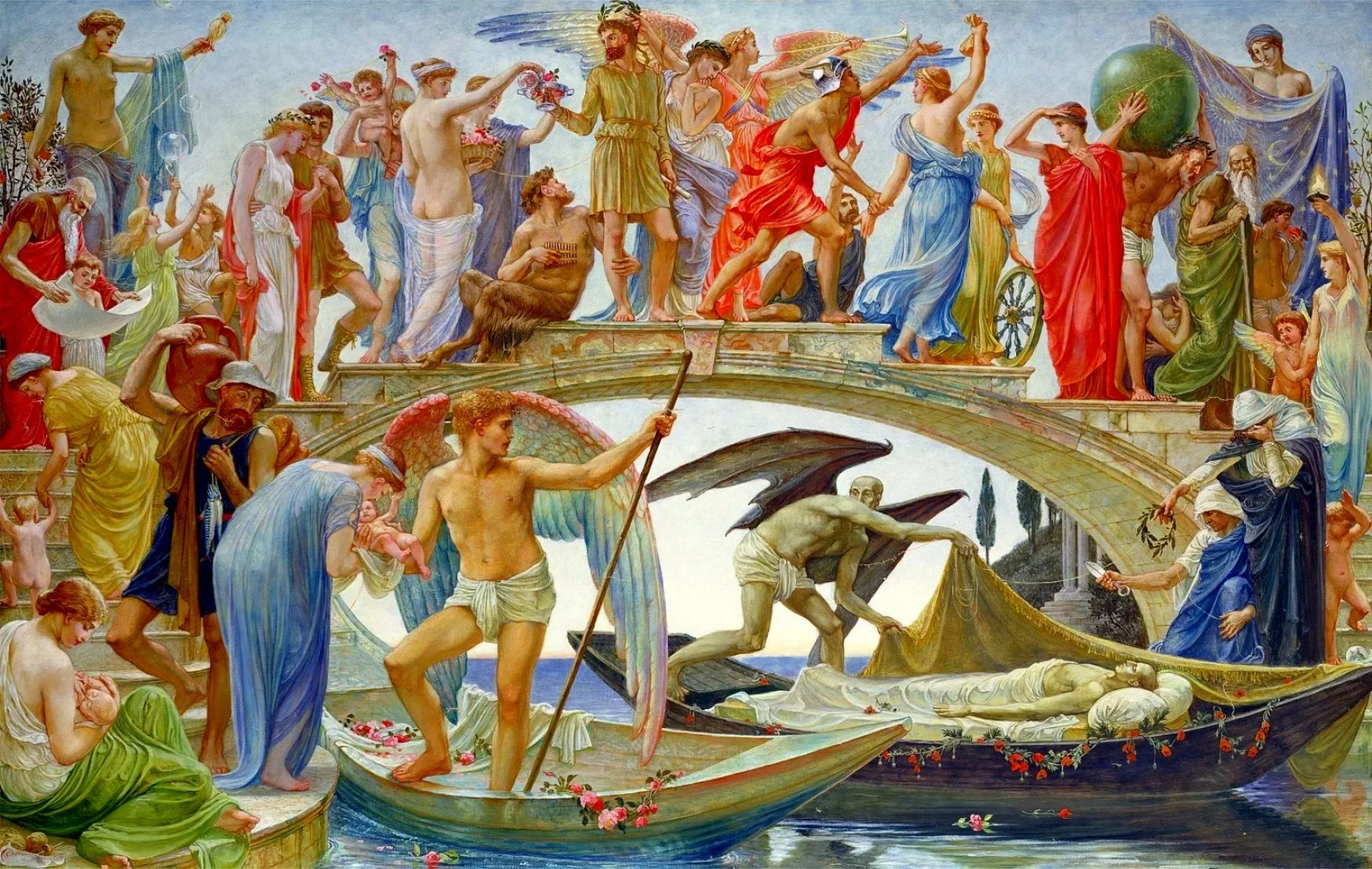
The Bridge Builder
At home in the in-between, fluent in both worlds.
This page is your full result.
Bookmark it or save the link to return to it anytime.
A threshold is more than a doorway.
It's what opens when a life changes, and the whole landscape that follows: that in-between stretch where the old life has ended and the new one
hasn't yet taken shape. Myth has long told of threshold guardians,
the ones who test whether you may pass.
The Threshold Lover is a different figure entirely:
not there to test your crossing, but to accompany it, and to teach you to meet what's changing the way lovers meet each other, with curiosity, presence, and care.
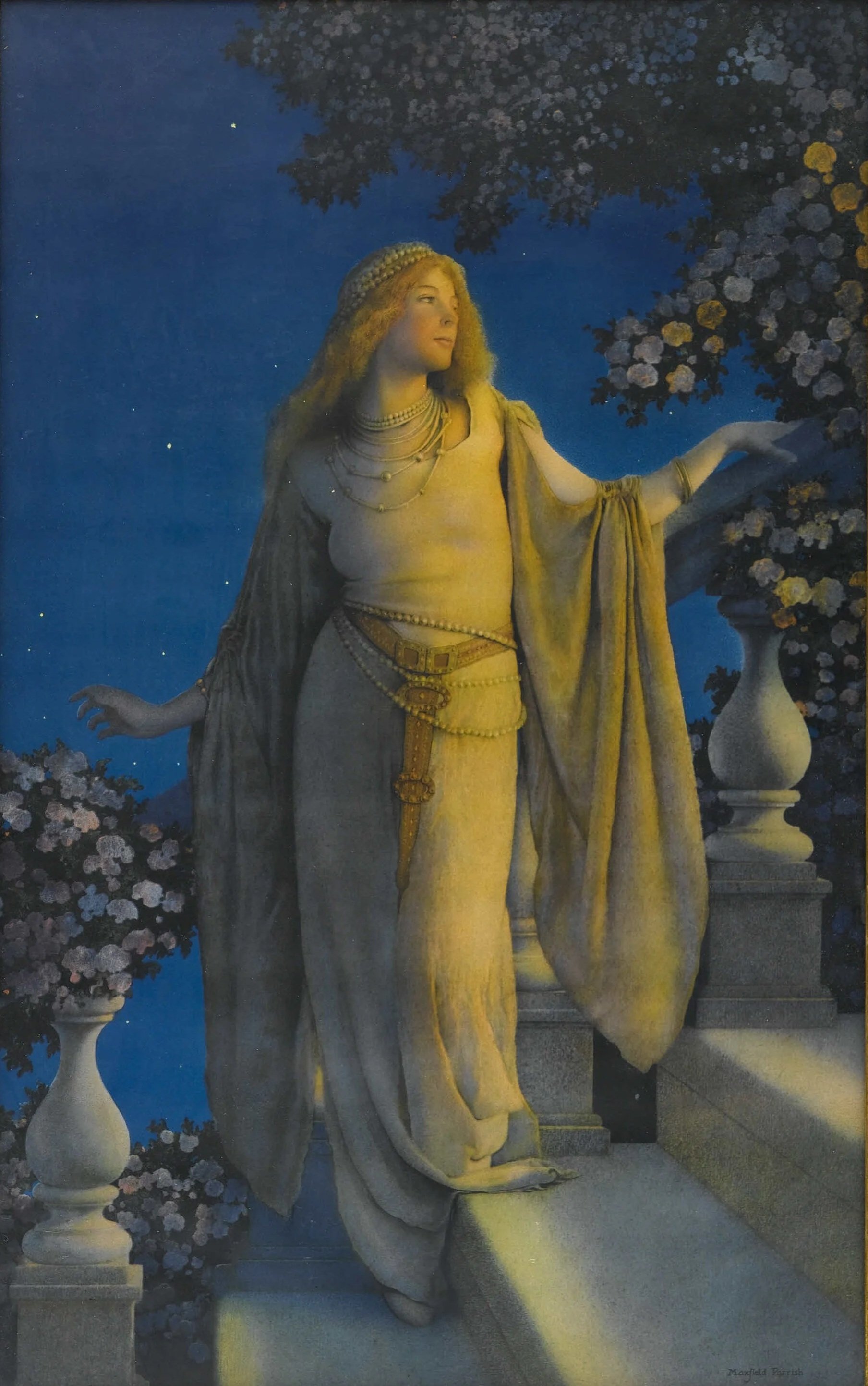
The Threshold You're Standing In
You're between two worlds, and neither one fully holds you right now.
Behind you is a life you know how to live: its language, its rhythms, a self you knew how to be in it.
Ahead is something that hasn't taken shape yet, a way of being you don't know how to inhabit, because you've never been in it before.
And inside you, a tug-of-war has set up camp, offering the same two options on repeat: carry the old life forward, or cut it away and start clean.
Either way feels like a loss.
But there's something subtler going on, and it's harder to admit: on the days you do start to land in the new life, to enjoy it, to feel something like belonging, a hand seems to reach out and pull you back.
It feels, of all things, like betrayal.
As if loving what's ahead means abandoning what came before: the people, the places, the self who lived that life.
So you hover, loyal to a world you're leaving, unable to arrive in the one that's forming, and tired in a way that's hard to name: the tiredness of holding two worlds at once with no instructions for either.
This is the threshold that calls for the Bridge Builder.

Meet the Bridge Builder
The Bridge Builder knows how to move through both worlds.
They've crossed a thousand thresholds of their own, between cultures, between realms, between who they were and who they've become, and the crossings taught them something most people never learn: how to keep two worlds connected in a way that respects both.
They carry both within themselves, not as a divided self but as a woven one, and they know when to draw on which: when the old world's wisdom serves, when the new world's ways are called for, and how the two can inform each other inside one life.
Because that's what a bridge really is. Not just a way of getting from one bank to the other, but a structure that holds both banks in relationship, and an approach to living that does the same.
When you meet them, you feel it immediately: here is someone fluent in the language of both your worlds, someone who knows this terrain because they've stood in it.
And in their company, something unexpected happens to the in-between itself. Most of us treat it as a gap, dead air to get across as fast as possible. But a bridge isn't air.
A bridge is a place.
People stand on bridges, linger on them, see both views from them.
With the Bridge Builder beside you, the space between your worlds stops being a void you might fall into and becomes ground you can live on while the crossing does its work.
They don't rush you toward the far bank, and they don't ask you to burn the near one.
They walk beside you, adjusting their stride to yours, while you learn the terrain.

Why This One, Why Now
Here's what the pull toward this lover is telling you: the tug-of-war inside you, keep everything or cut everything, is a false choice, and some part of you already suspects it.
What this crossing is actually asking for is neither carrying nor amputating. It's weaving.
The Bridge Builder's craft is synthesis: taking threads of what was and threads of what's becoming and working them into a third thing, something that belongs to neither bank because it belongs to you.
The old life isn't luggage, and it isn't contraband. It's the soil from which the new one roots and grows.
And that pull-back you feel, the one that reads like betrayal whenever you start to arrive? The Bridge Builder knows exactly what it is: grief that hasn't been given its due.
Because here's the quieter truth of leaving any world: it doesn't stay frozen the way you left it. While you're becoming someone new, the old country keeps living too; the people change, the places change, someone else fills the role you held.
That deserves real mourning, and until it gets it, the ungrieved life keeps calling you back like an unpaid debt, and every step into the new feels like walking out on it.
But grief, honestly felt, is how the old world gets honored rather than abandoned, and metabolized rather than merely lost. What you mourn fully, you can transmute, and what you transmute becomes part of the weave, alive in the new life rather than embalmed in memory.
That's the release of the loyalty knot: you don't stay faithful to the old life by refusing to arrive in the new one. You stay faithful by carrying it forward, woven in. A synthesis that skips the grieving isn't synthesis. It's nostalgia wearing its clothes.
One thing to be aware of in this courtship: the tension between your two worlds can become its own full-time occupation.
Managing the border, weighing every piece for keep-or-release, negotiating endlessly between what was and what's becoming, and meanwhile the third thing, the new weave that is the actual point, sits untouched on the loom. Sorting the threads matters, but sorting is not weaving.
The Bridge Builder's invitation is to let every negotiation feed the making: each thread you weigh is weighed for the weave, not for the argument.
The bridge exists so that life can cross it, in both directions, and become something on the way.
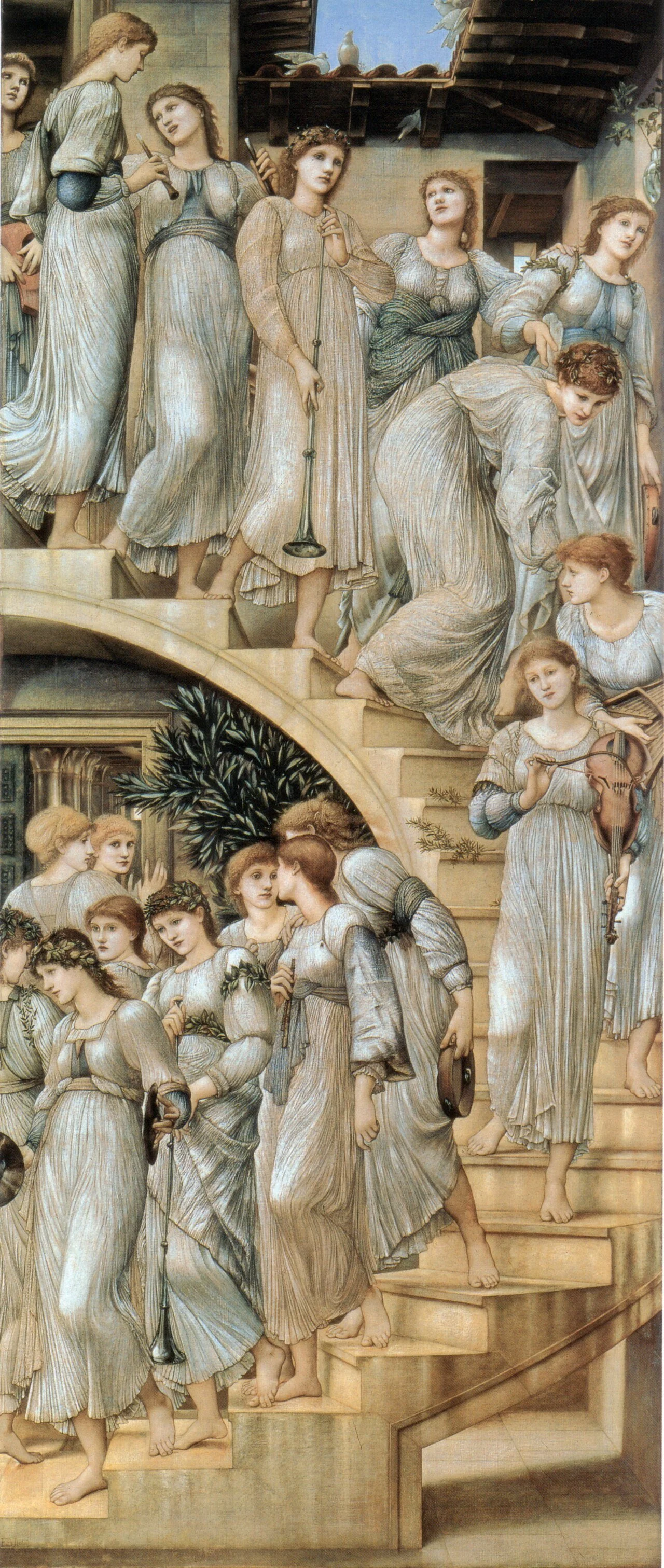
Romancing This Threshold
Weave one thing across, deliberately.
Choose a single thread from the old life, a practice, a dish, a ritual, a way of marking the week, and bring it into the new one on purpose, adapted to fit rather than preserved under glass.
Cooking the old recipe in the new kitchen, with what the new place has to offer, is the whole crossing in miniature: not the past kept, not the past lost, but the past reimagined.
Give the old life a proper goodbye, in pieces.
Pick one thing from the world you're leaving, a place, a role, a season of who you were, and mourn it on purpose: write it a letter, light a candle for it, tell someone a story about it, out loud, past tense.
This isn't wallowing.
It's paying the debt that's been pulling you backward, so that loving the new life stops feeling like a betrayal of the old one.
Spend time on the bridge itself.
Once this week, give an hour to something that belongs to neither world: a walk somewhere that holds no history for you, a pursuit that's neither the old life's habit nor the new life's homework.
While you're there, notice that you are somewhere. Not suspended between your worlds, not in transit, but in a real hour of your real life, which is going on even now, mid-crossing.
That's the Bridge Builder's quietest lesson: the in-between isn't the pause before your life resumes.
It's your life, happening, and you're allowed to be present for it.
Stories for the Crossing
While you're in this crossing, keep company with stories about people who belong to two worlds at once.
The ones where someone learns a new language, a new realm, a new life, without burning the old one down behind them, and where the love story only works once both worlds are allowed in the room.
On the page or the screen, watch how the best of these characters carry their history: not as a suitcase and not as a secret, but as a skill.
Let them keep you company while your own weaving happens.