Which Doors is Yours?
What romance novels are quietly reopening, and which one has your name on it
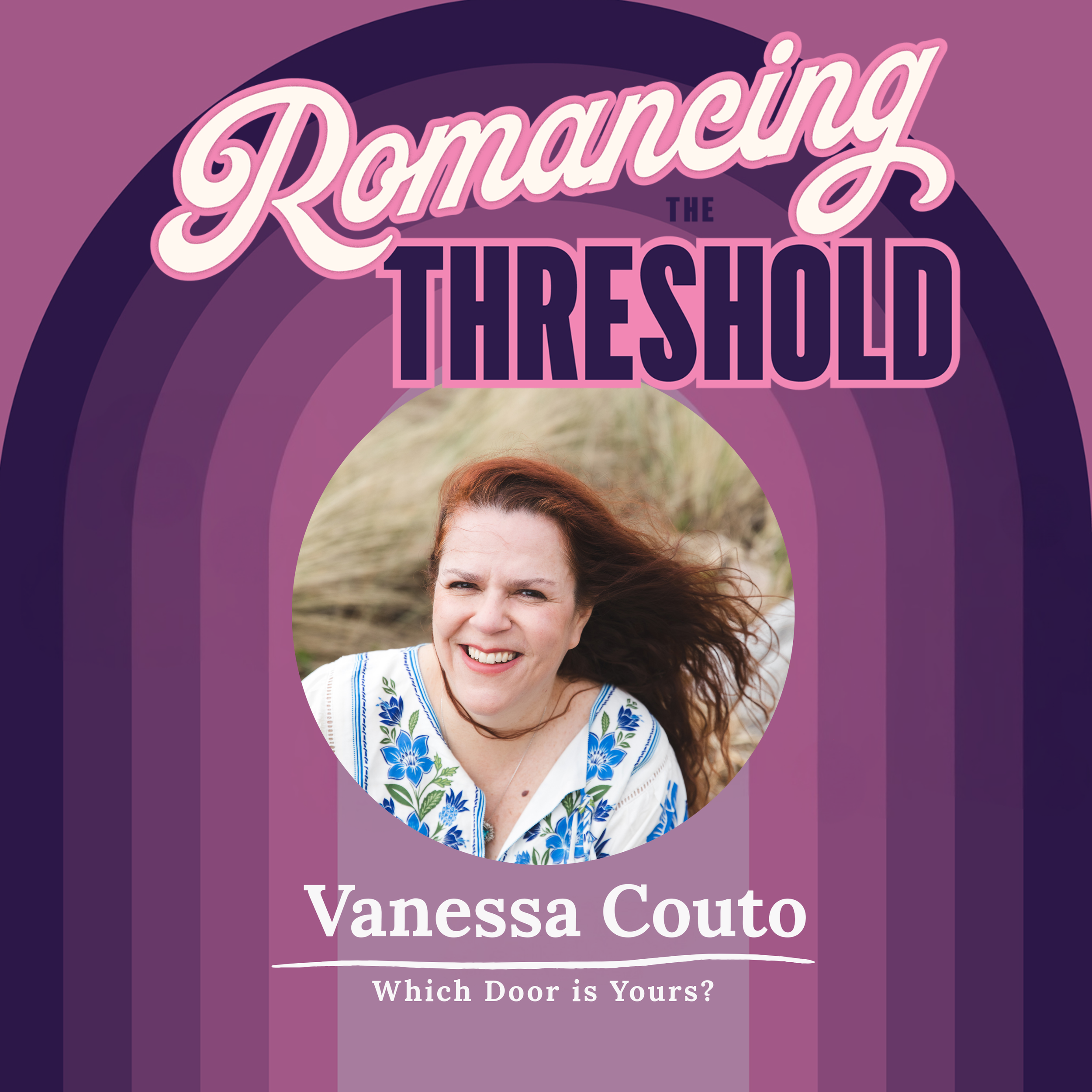
In the latest episode of Romancing the Threshold, I go beyond the origin story I shared last week. This time, I’m laying out what I’ve been discovering about what romance novels are actually doing underneath the genre, underneath the tropes, that our culture has buried or maligned, while we’re left to do the healing that is necessary.
Because the more I read, and the more I paid attention not just to the stories but to the patterns across stories, which tropes keep surging, which dynamics millions of women keep reaching for, the more I started seeing something. Not random entertainment preferences.
Doors.
Specific doors that culture taught or made us close. And romance novels, without anyone planning it, have been systematically cracking them open.
I call them the Five Forbidden Doors. And in this episode, I walk you up to each one.
So if you listened to last week’s episode — Your Bookshelf Is Your Grimoire — this one picks up exactly where we left off. And if you haven’t listened to that one yet, that’s ok, as this episode stands on its own.
But whether you listen or not, I want to give you the framework. Because once you see these doors, you can’t unsee them in your reading or in your life.
The Five Forbidden Doors
There are five aspects of the self that culture has systematically taught women to hide, suppress, apologize for, or forget. And romance novels, the genre everyone calls fluff, have been quietly reopening every single one.
Here they are. As you read through them, notice which one you feel. Not which one sounds intellectually interesting. Which one makes something in you stir.
Door One: The Body As It Is
Not the body as project. The body as it is. Without negotiation. In romance, desire arrives without conditions, and the hero, especially in monster romance, models something radical: complete ease in his own form, and complete acceptance of hers. Reading that again and again, your own body starts to remember what it feels like to take up space without apology.
Door Two: Rage Unleashed
Women’s anger is policed, pathologized, punished. But in romance, the hero doesn’t calm her down. He guards her fire. And when the reader encounters a story where rage is treated as sacred rather than inconvenient, something in her nervous system exhales. The book creates a room most of us have never been in; one where our anger is welcomed. And that changes things.
Door Three: Pleasure as the Feast
Not just the spice. The radical idea that a woman’s pleasure is the point, not a reward, not dessert after homework, but the axis around which everything turns. Romance is the only genre that centers female desire in every plot and guarantees its fulfillment. In a culture that treats women’s wanting as optional, that’s a major catalyst. One woman in my research said romance was the thing that finally helped her feel accepted and seen; not therapy, not self-help. The books. And the community of women reading them.
Door Four: The Animal Knows
The older knowing. The one that says yes before the mind can explain why. Romance is full of this. the pull, the recognition, the body staking its claim before reason has any say. And readers respond physically too. One woman told me she doesn’t notice her reading preferences shifting during life transitions until afterward, her instinct was leading the whole time, and her mind caught up later. There’s an old knowing that romance is reawakening. Not by teaching it. By practicing it.
Door Five: Claimed in Full
This one holds all the others. It’s sovereignty: the right to choose for yourself. There’s an old myth about Lady Ragnell, a woman cursed into a hideous form. The only thing that breaks the curse isn’t a kiss or a sword.
It’s two words from the knight who married her: You choose.
Every door, body, rage, pleasure, instinct, leads here. To the moment you stop waiting for permission and say to yourself: I choose.
Which Door Did You Feel?
Not which one sounds interesting. Which one made something stir.
Maybe it was obvious. You read “rage” and your chest opened. Maybe it surprised you; you didn’t expect “instinct” to land the way it did. Maybe more than one called. They connect to each other. Rage and pleasure are neighbors. Instinct and sovereignty share a wall.
But notice which one you felt first. That’s information. That’s your reading life telling you something.
Here’s a practice: next time you pick up a book, or scroll your TBR and something grabs you — ask yourself: which door is this?
Is this book about my body, my rage, my pleasure, my instinct, or my sovereignty?
You don’t have to analyze it.
Just notice.
Over time, the pattern reveals a map.
And the map is yours.
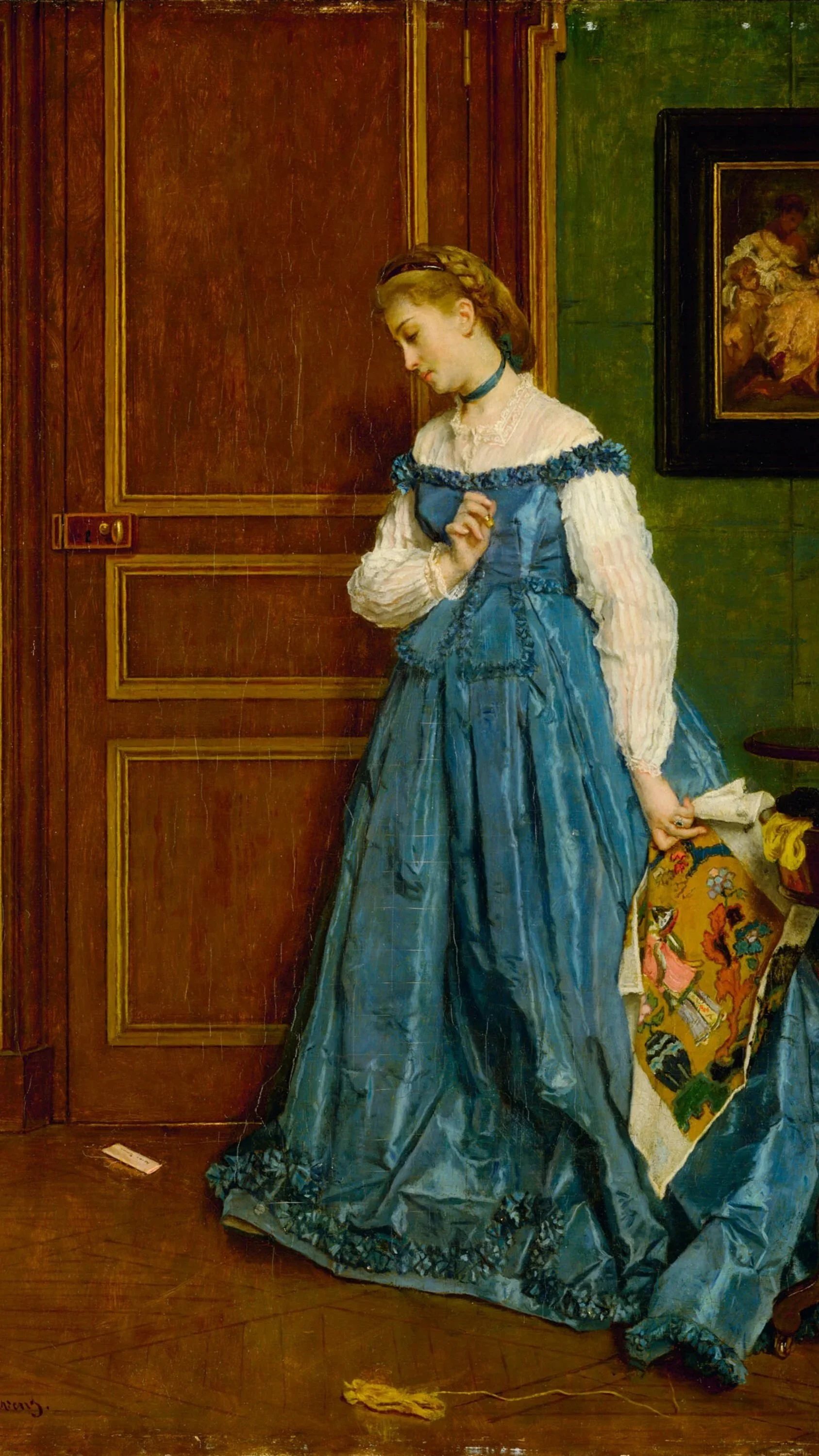
Forbidden Doors: Where Your Reading Life Becomes Your Map
If these five doors sparked something in you, if even one of them made you think that’s the one, there’s a space for going through them. Not alone. In a circle of women.
Forbidden Doors is a six-week experience for women who sense that their romance reading is doing more than entertaining them. Six Saturday mornings, May 16 through June 27, in a small group on Zoom. Each week we open one door. You bring your whole reading life, the books you keep returning to, the tropes you can’t resist, the ones sitting on your shelf whispering your name. I bring the framework, the depth psychology, the mythic context, and guided imagination journeys that take the work deeper than conversation alone.
Together we discover that the greatest romance isn’t on the page, it’s the one between who you’ve been and who you’re becoming.
This is the founding cohort: small, intimate, and genuinely co-creative. Your insights shape how this work enters the world.